A tool to guide the selection of tree species and seed sources for forest landscape restoration

In their latest research, Tobias Fremout and colleagues present a scalable and freely available online tool, Diversity for Restoration (D4R), to identify suitable tree species and seed sources for climate-resilient tropical forest landscape restoration. Governments, NGOs and companies around the world have made ambitious pledges to restore the Earth’s degraded ecosystems. These grand commitments, such as the Bonn Challenge and the One Trillion Tree Initiative, … Continue reading A tool to guide the selection of tree species and seed sources for forest landscape restoration

Community-level responses of African carnivores to prescribed burning

Fires are common in many ecosystems world-wide, and are frequently used as a management tool. Using South African carnivores as their focal community, Laura C. Gigliotti and colleagues explore the relative changes in carnivore intensity of use in post-fire landscapes associated with hypothesized changes in prey availability and top-down suppression. Prescribed burning is a common form of habitat management and assessing wildlife responses to burning is … Continue reading Community-level responses of African carnivores to prescribed burning

Integrating snake distribution, abundance and expert-derived behavioural traits to predict snakebite risk

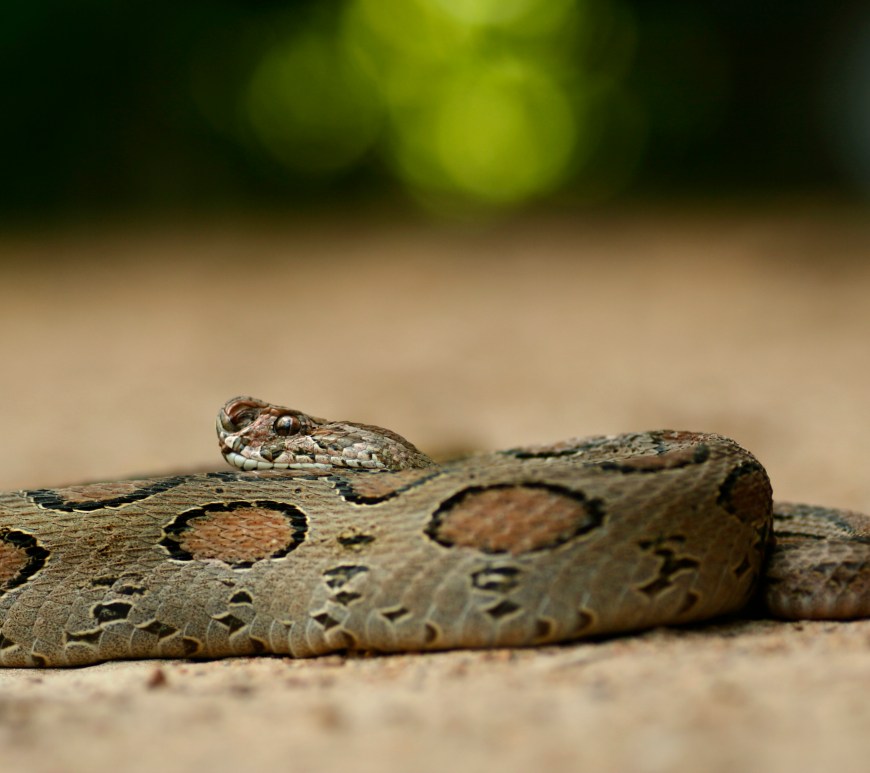
In their latest research, Martin et al. estimate the spatial patterns of seven snake species from Sri Lanka and combine these estimations with indices of species’ relative abundance, aggressiveness and envenoming severity to test whether these traits explain spatial patterns of snakebite risk. Whenever we go out for a walk to the bush, for holidays to an exotic, desolate and beautiful place, the idea of … Continue reading Integrating snake distribution, abundance and expert-derived behavioural traits to predict snakebite risk

Identifying species by appearance

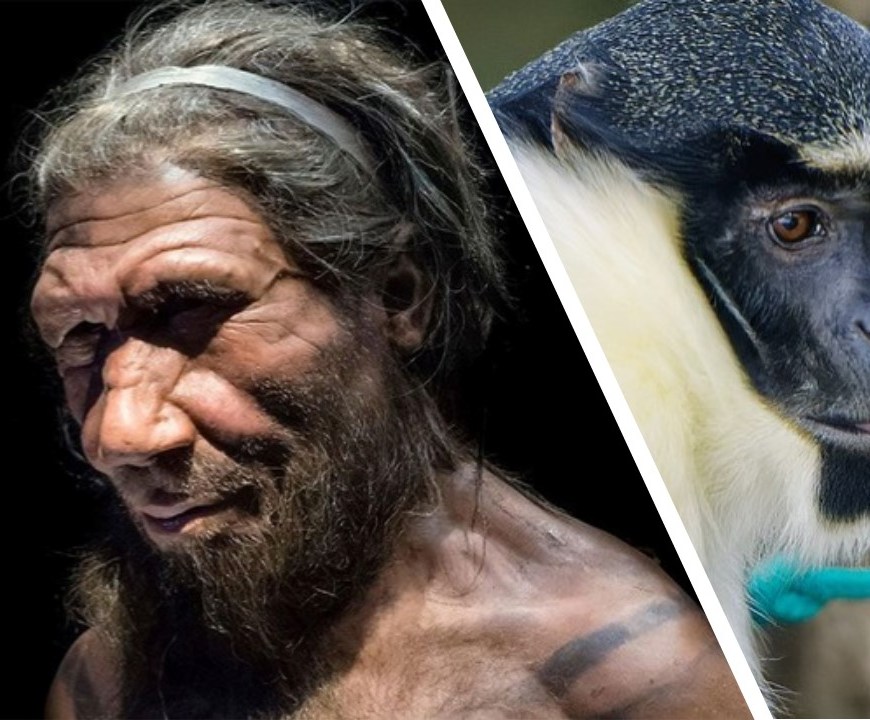
This blog is part of our colourful countdown to the holiday season where we’re celebrating the diversity and beauty of the natural world. In this post, Héloïse Brown and Will Allen of Swansea University discuss research on species recognition signalling across the animal kingdom and explore what this can tell us about Homo sapiens’ interactions with other lineages of archaic human. Throughout human evolution we know different … Continue reading Identifying species by appearance

Oportunidades para conservar las aves migratorias y al mismo tiempo beneficiar a los vertebrados residentes amenazados en América Latina

Esta publicación también está disponible en inglés aquí. Cada año, millones de aves migratorias salen de sus áreas de reproducción en los bosques templados de Canadá y Estados Unidos y migran a sus territorios de invernada en los bosques tropicales de América Latina en donde pasan entre seis y nueve meses entre una rica diversidad de especies Neotropicales residentes. Muchas especies de aves migratorias están … Continue reading Oportunidades para conservar las aves migratorias y al mismo tiempo beneficiar a los vertebrados residentes amenazados en América Latina

Opportunities to conserve migratory birds and at the same time benefit threatened resident vertebrates in Latin America

This blog is also available in Spanish here Biodiversity conservation requires decisions about how to efficiently allocate limited resources among management strategies, locations and species. In their latest research, Wilson et al. demonstrate how novel, high-resolution information on species distributions and risk of forest loss can be integrated to identify priority areas for the two groups at regional and landscape scales. Each year, millions of … Continue reading Opportunities to conserve migratory birds and at the same time benefit threatened resident vertebrates in Latin America

Using Indigenous and Western Science as a pathway for freshwater research across Canada

Steven Alexander and colleagues discuss their team’s latest research examining the extent to which Indigenous science and knowledge contribute to freshwater research and monitoring across Canada. There are many benefits to drawing upon diverse knowledge systems in environmental research. Such practices – referred to by various terms including bridging, weaving, or braiding – have been shown to improve our collective understanding of environmental change, expand … Continue reading Using Indigenous and Western Science as a pathway for freshwater research across Canada

The hidden world of colours: a thermal story

This blog is part of our colourful countdown to the holiday season where we’re celebrating the diversity and beauty of the natural world. In this post, Johnathan Goldenberg of Ghent University unpicks the fascinating role of scale colouration in lizard temperature control and what this means under climate change. Colour is around us everyday, and we often talk about colours like everyone has the same experience as … Continue reading The hidden world of colours: a thermal story

From blind amoeba to Nemo: the evolution of fish (and vertebrate) vision

This blog is part of our colourful countdown to the holiday season where we’re celebrating the diversity and beauty of the natural world. In this post, Martin Luehrmann of The University of Queensland takes us on a journey through the development of sight through the evolution of fish and early vertebrates. Imagine waking up and the world is black, your eyelids won’t open. You are … Continue reading From blind amoeba to Nemo: the evolution of fish (and vertebrate) vision

Apresentando o Prêmio Chico Mendes

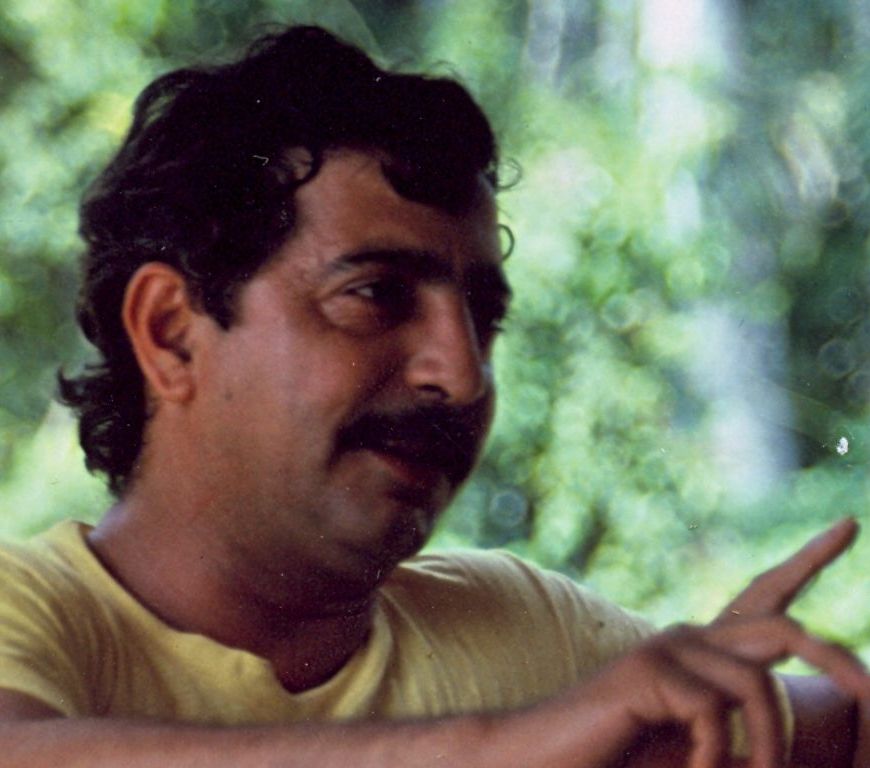
Estamos muito felizes em anunciar o Prêmio Chico Mendes (Chico Mendes Prize), nosso novo prêmio bienal para o melhor artigo da categoria “Practice Insight” publicado por um profissional em início de carreira no periódico Ecological Solutions and Evidence. A version of this post is available in English. O Prêmio Chico Mendes será entregue a cada dois anos para o melhor artigo na categoria Practice Insights publicado … Continue reading Apresentando o Prêmio Chico Mendes