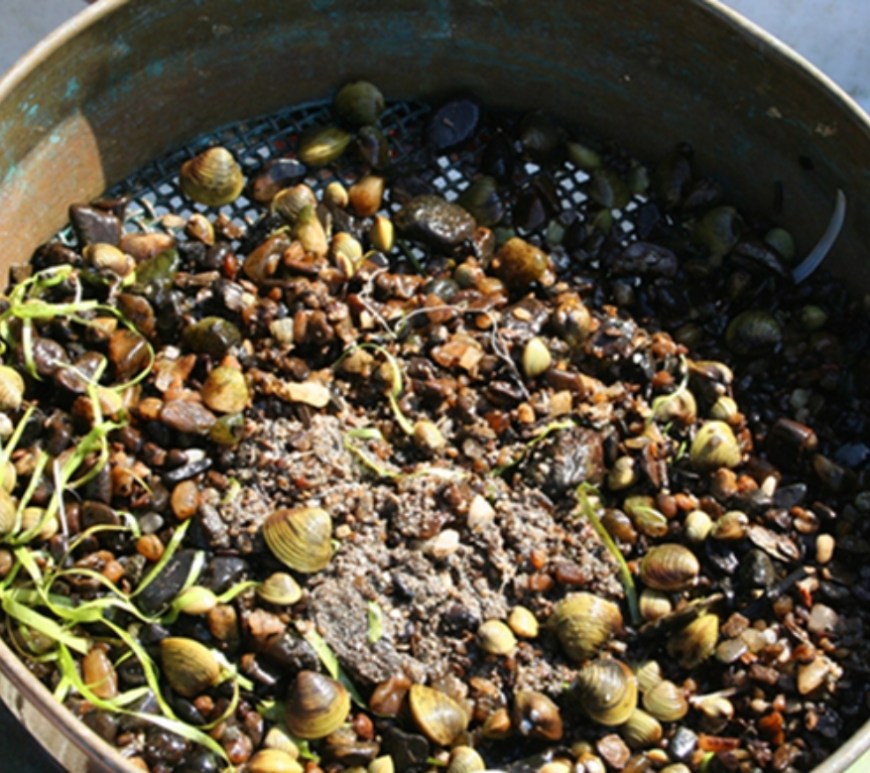
Weighing-in: universally applicable biometric conversion equations to support comparative assessment of invasive freshwater bivalves

Invasive bivalves continue to detrimentally impact freshwater ecosystems worldwide, with their ecological effects often being standardised by body size or biomass measurements. In their latest research, Coughlan and colleagues aim to derive universally applicable conversion equations to support reliable comparative assessment of bivalve driven ecological effects. As dominant filter-feeders, most bivalves’ ecological impacts are a result of their filtration or particle clearance rates (i.e. the … Continue reading Weighing-in: universally applicable biometric conversion equations to support comparative assessment of invasive freshwater bivalves

Behind the cover 2:3 – Sand addition augments gharial nesting in degrading aquatic habitats

Gaurav Vashistha and colleagues describe their latest research attempting to reverse the observed decline in gharial nesting by improving nesting site conditions. Find out more about the research behind the cover of our latest issue. The gharial (Gavialis gangeticus) is a critically threatened, freshwater crocodile. Gharials nest in sandy substrates such as river banks and mid-river sand bars where females dig holes and lay their … Continue reading Behind the cover 2:3 – Sand addition augments gharial nesting in degrading aquatic habitats

Semi-natural grassland strips promote agricultural biodiversity depending on species characteristics

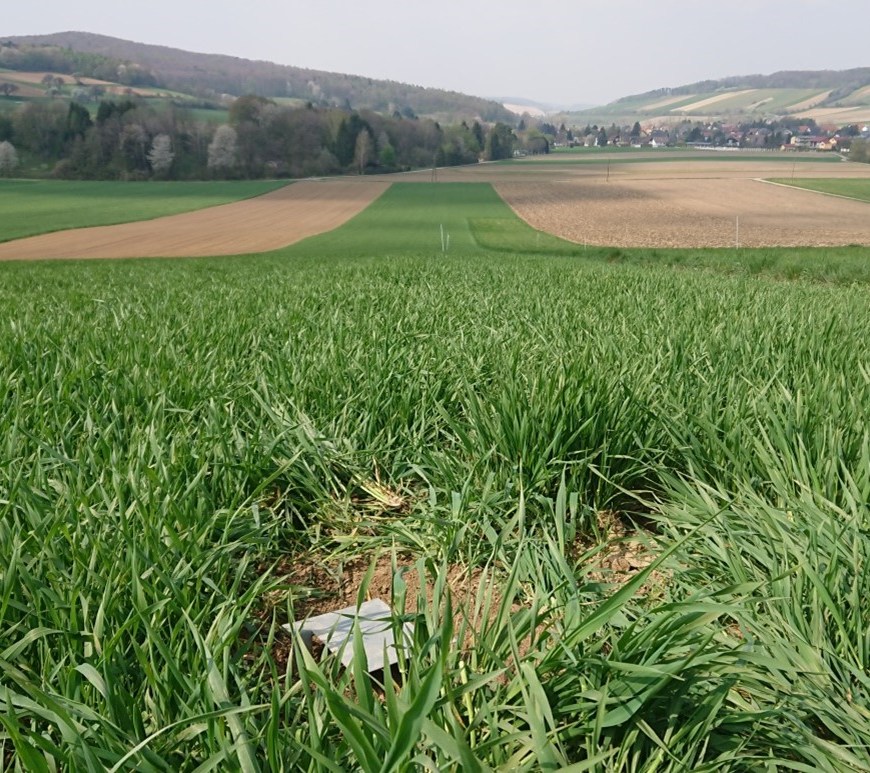
New research by Maas and colleagues shows how the interplay between species-specific traits, functions, and services can inform more targeted, sustainable management of agricultural biodiversity. Agricultural biodiversity is declining worldwide, and its conservation does not work through one-size-fits-all solutions. Species respond differently to agricultural developments and new management measures, depending on their individual characteristics – which has major implications for the management of species-specific functions … Continue reading Semi-natural grassland strips promote agricultural biodiversity depending on species characteristics

ESE Editor’s Choice 2:2 – Restoring ecosystems and our well-being

Associate Editor Elizabeth Bach introduces our latest Editor’s Choice article by Patrick Swanson who calls for a new paradigm in ecosystem restoration called ‘Restorative recreation’. Ecosystem restoration seeks to reunite native plants and animals in degraded ecosystem, improving biodiversity and ecosystem functioning. Many people deeply involved in ecosystem restoration also recognize the process of learning and restoring an ecosystem deepens our understanding of the natural … Continue reading ESE Editor’s Choice 2:2 – Restoring ecosystems and our well-being

Rainbow Research: Life

To celebrate UK Pride Month, the British Ecological Society journals have launched ‘Rainbow Research’ – a blog series which aims to promote visibility of STEM researchers form the LGBTQ+ community by connecting each post to a theme represented by one of the colours shown in the Progress Pride flag. In this post, Lewis Bartlett uses ‘Life’ as inspiration to write about being a queer ecologist … Continue reading Rainbow Research: Life

Restorative recreation: One landowner’s restoration experience in Iowa’s Loess Hills

In his latest From Practice article, author and landowner Patrick Swanson describes his experience restoring a native prairie remnant in Iowa’s Loess Hills and introduces a new paradigm that maximizes benefits to personal wellbeing while improving the landscape for other species. This article is part of the cross-journal, cross-society Special Feature on the UN Decade on Ecosystem Restoration. Ecosystems worldwide are under mounting stress from … Continue reading Restorative recreation: One landowner’s restoration experience in Iowa’s Loess Hills

Use of avian GPS tracking to mitigate human fatalities from bird strikes.

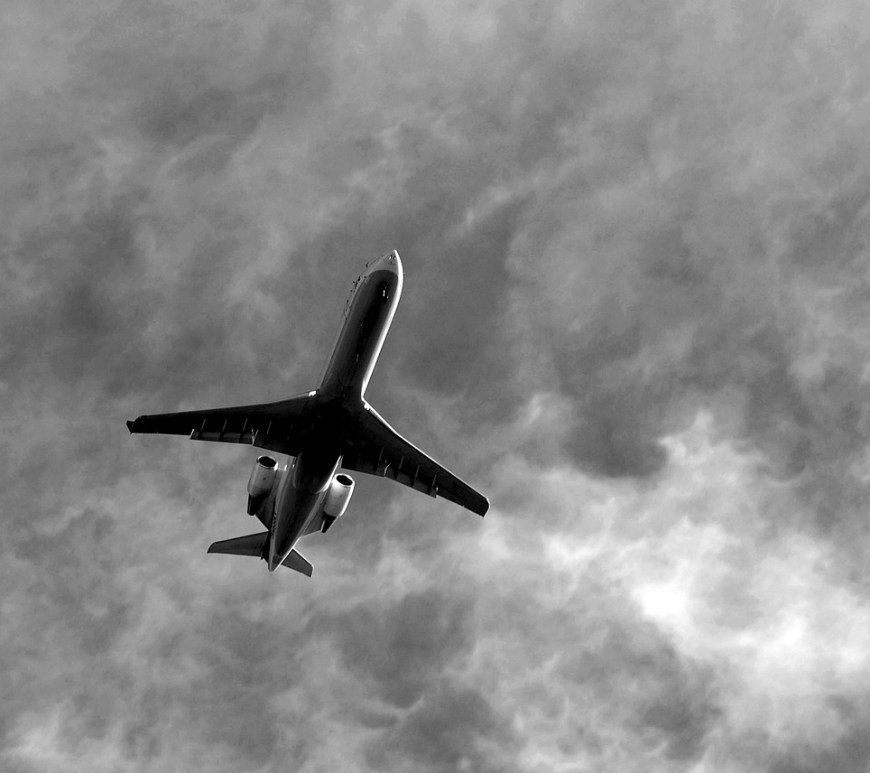
Air traffic has increased significantly in recent years, from 1.674 billion passengers in 2000 to 4.397 billion passengers in 2019.  However, this growth has come at a cost. In their latest research, Arrondo et al. review and quantify the characteristics of bird strikes in Spain, and analyse flight patterns of the species that caused aircraft crashes in Europe. Bird strikes have been a feature of … Continue reading Use of avian GPS tracking to mitigate human fatalities from bird strikes.

Effectively integrating experiments into conservation practice

How can evidence be generated from conservation practice? In their latest review, Nancy Ockendon and colleagues seek to raise awareness of opportunities to embed experiments in conservation and restoration management, in order to generate new evidence and ultimately improve practice. Originally posted and adapted from the Endangered Landscapes Programme. Why do we need more experiments? It’s widely understood that it is important to consider the … Continue reading Effectively integrating experiments into conservation practice

Meet the Editor: Tadeu Siqueira

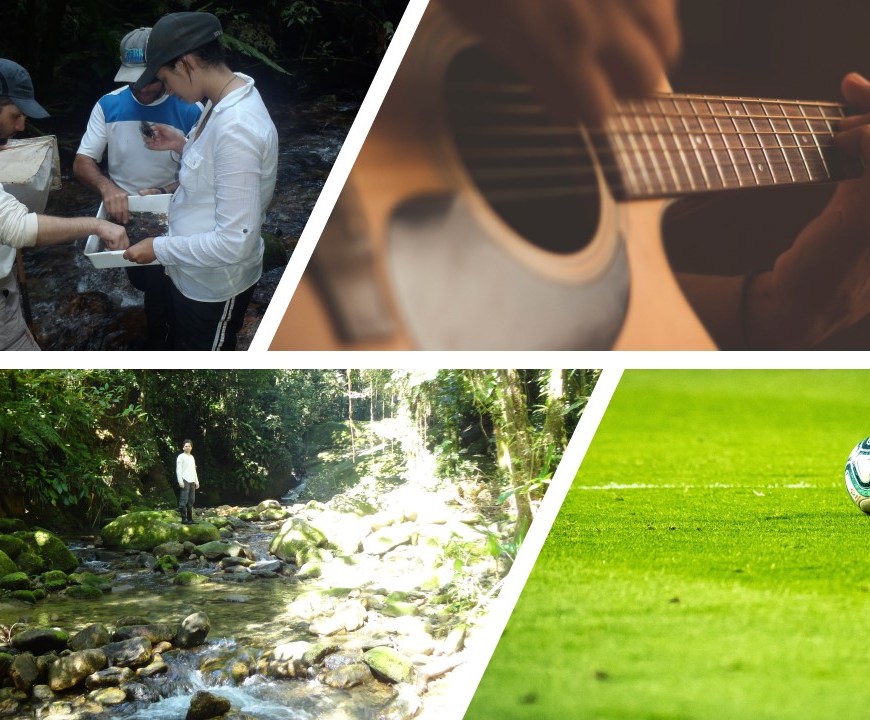
We are delighted to welcome Tadeu Siqueira to the Journal of Applied Ecology Senior Editor team. Get to know the newest person behind the decision letters in this ‘Meet the Editor’ conversation. What can you tell us about the first paper you published? As an undergrad, I was interested in studying insects in streams and was introduced to a sampling technique that was cheap, easy, efficient and … Continue reading Meet the Editor: Tadeu Siqueira

Small but damaging: low-head barriers can cause selective effects on river fish communities

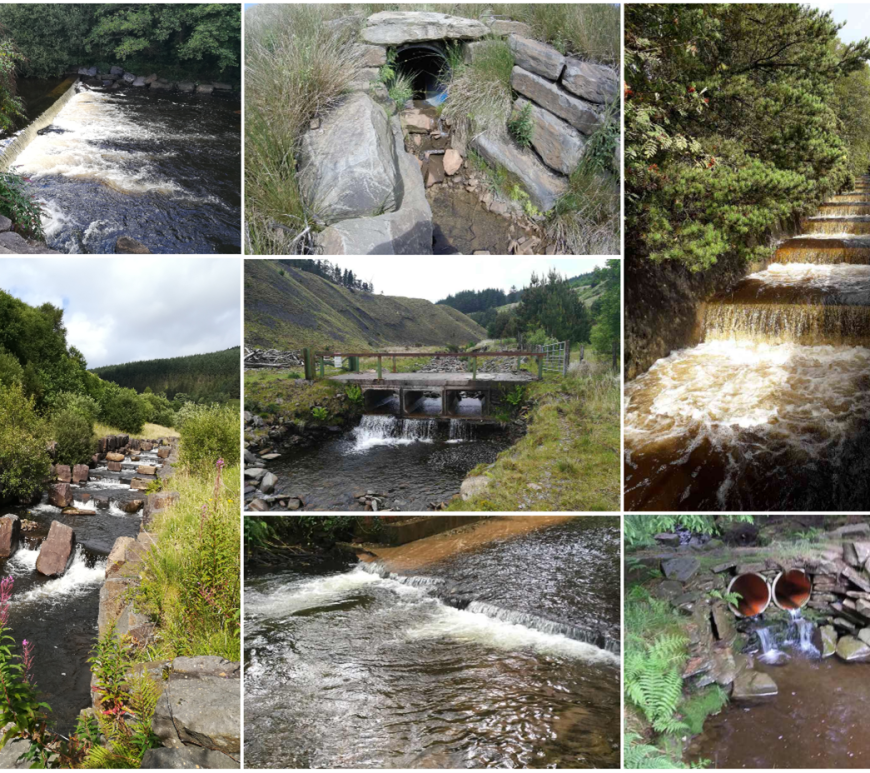
Artificial barriers are widespread and abundant in rivers worldwide, contributing to the global decline in freshwater biodiversity. In their latest research, Jones and colleagues aimed to assess potential selective effects of barriers on fish communities to better inform fish passage science. The impact of large barriers is well documented for large fish like salmon: disrupting well known movements between adult marine habitat and freshwater spawning/juvenile … Continue reading Small but damaging: low-head barriers can cause selective effects on river fish communities