Identifying species by appearance

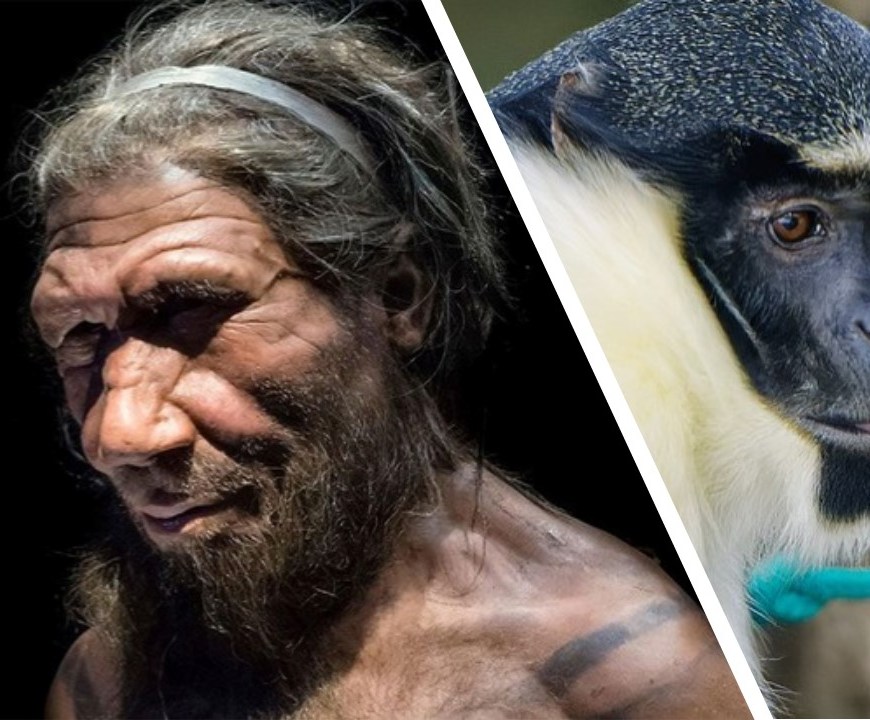
This blog is part of our colourful countdown to the holiday season where we’re celebrating the diversity and beauty of the natural world. In this post, Héloïse Brown and Will Allen of Swansea University discuss research on species recognition signalling across the animal kingdom and explore what this can tell us about Homo sapiens’ interactions with other lineages of archaic human. Throughout human evolution we know different … Continue reading Identifying species by appearance

Oportunidades para conservar las aves migratorias y al mismo tiempo beneficiar a los vertebrados residentes amenazados en América Latina

Esta publicación también está disponible en inglés aquí. Cada año, millones de aves migratorias salen de sus áreas de reproducción en los bosques templados de Canadá y Estados Unidos y migran a sus territorios de invernada en los bosques tropicales de América Latina en donde pasan entre seis y nueve meses entre una rica diversidad de especies Neotropicales residentes. Muchas especies de aves migratorias están … Continue reading Oportunidades para conservar las aves migratorias y al mismo tiempo beneficiar a los vertebrados residentes amenazados en América Latina

Opportunities to conserve migratory birds and at the same time benefit threatened resident vertebrates in Latin America

This blog is also available in Spanish here Biodiversity conservation requires decisions about how to efficiently allocate limited resources among management strategies, locations and species. In their latest research, Wilson et al. demonstrate how novel, high-resolution information on species distributions and risk of forest loss can be integrated to identify priority areas for the two groups at regional and landscape scales. Each year, millions of … Continue reading Opportunities to conserve migratory birds and at the same time benefit threatened resident vertebrates in Latin America

Using Indigenous and Western Science as a pathway for freshwater research across Canada

Steven Alexander and colleagues discuss their team’s latest research examining the extent to which Indigenous science and knowledge contribute to freshwater research and monitoring across Canada. There are many benefits to drawing upon diverse knowledge systems in environmental research. Such practices – referred to by various terms including bridging, weaving, or braiding – have been shown to improve our collective understanding of environmental change, expand … Continue reading Using Indigenous and Western Science as a pathway for freshwater research across Canada

The hidden world of colours: a thermal story

This blog is part of our colourful countdown to the holiday season where we’re celebrating the diversity and beauty of the natural world. In this post, Johnathan Goldenberg of Ghent University unpicks the fascinating role of scale colouration in lizard temperature control and what this means under climate change. Colour is around us everyday, and we often talk about colours like everyone has the same experience as … Continue reading The hidden world of colours: a thermal story

From blind amoeba to Nemo: the evolution of fish (and vertebrate) vision

This blog is part of our colourful countdown to the holiday season where we’re celebrating the diversity and beauty of the natural world. In this post, Martin Luehrmann of The University of Queensland takes us on a journey through the development of sight through the evolution of fish and early vertebrates. Imagine waking up and the world is black, your eyelids won’t open. You are … Continue reading From blind amoeba to Nemo: the evolution of fish (and vertebrate) vision

Apresentando o Prêmio Chico Mendes

Estamos muito felizes em anunciar o Prêmio Chico Mendes (Chico Mendes Prize), nosso novo prêmio bienal para o melhor artigo da categoria “Practice Insight” publicado por um profissional em início de carreira no periódico Ecological Solutions and Evidence. A version of this post is available in English. O Prêmio Chico Mendes será entregue a cada dois anos para o melhor artigo na categoria Practice Insights publicado … Continue reading Apresentando o Prêmio Chico Mendes

Introducing the Chico Mendes Prize for the best early career practitioner

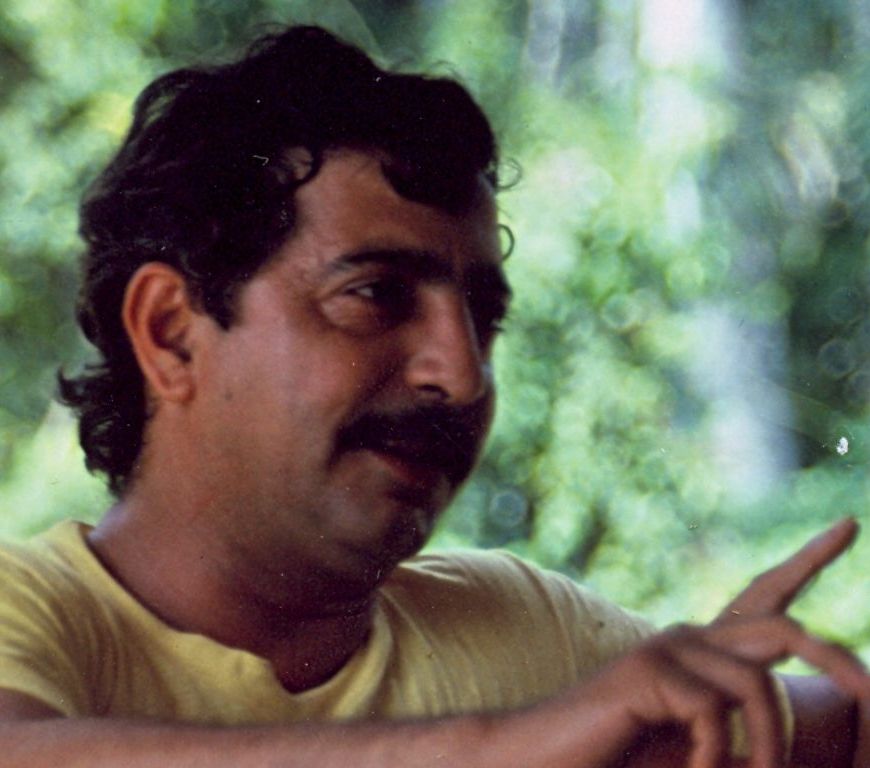
Following the announcement of the Georgina Mace Prize last week, we are delighted to announce the Chico Mendes Prize, our new biennial prize for the best Practice Insights article published by an early career practitioner in Ecological Solutions and Evidence. A version of this post is available in Portuguese. The Chico Mendes Prize will be awarded every two years to the best Practice Insights article published in … Continue reading Introducing the Chico Mendes Prize for the best early career practitioner

Cryptic floral colouration: beyond human vision.

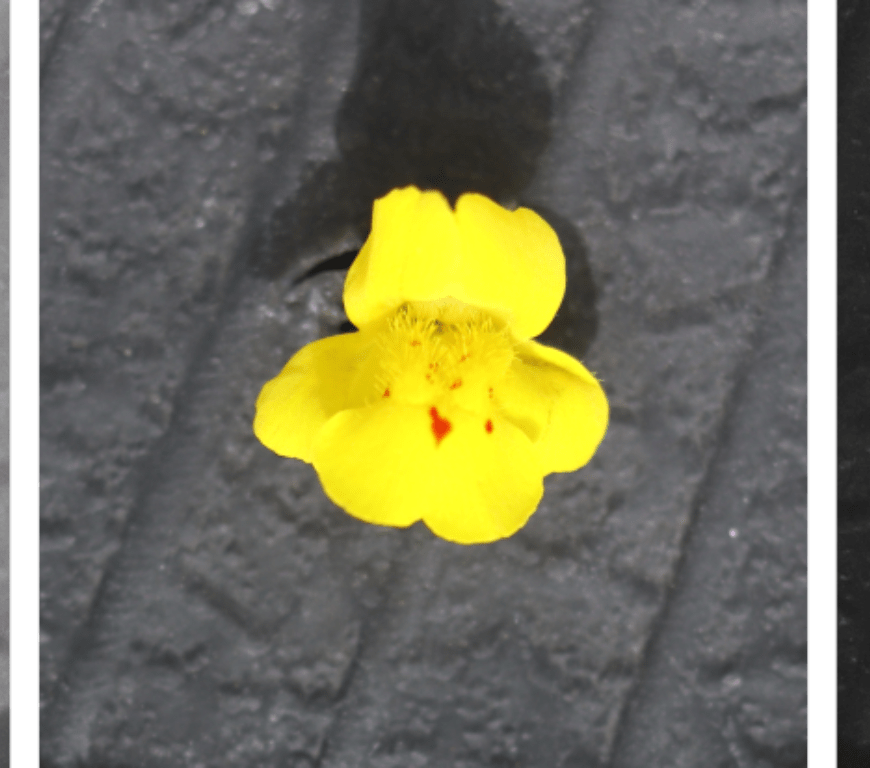
This blog is part of our colourful countdown to the holiday season where we’re celebrating the diversity and beauty of the natural world. In this post, Caroline Dong of Tulane University unearths the diverse world of floral colouration and what we have yet to discover in these decorative but mysterious plants. Floral colouration can be a useful and predictable trait. The colouration of flowers is … Continue reading Cryptic floral colouration: beyond human vision.

Reefs don’t just look better after restoration – they also sound healthier

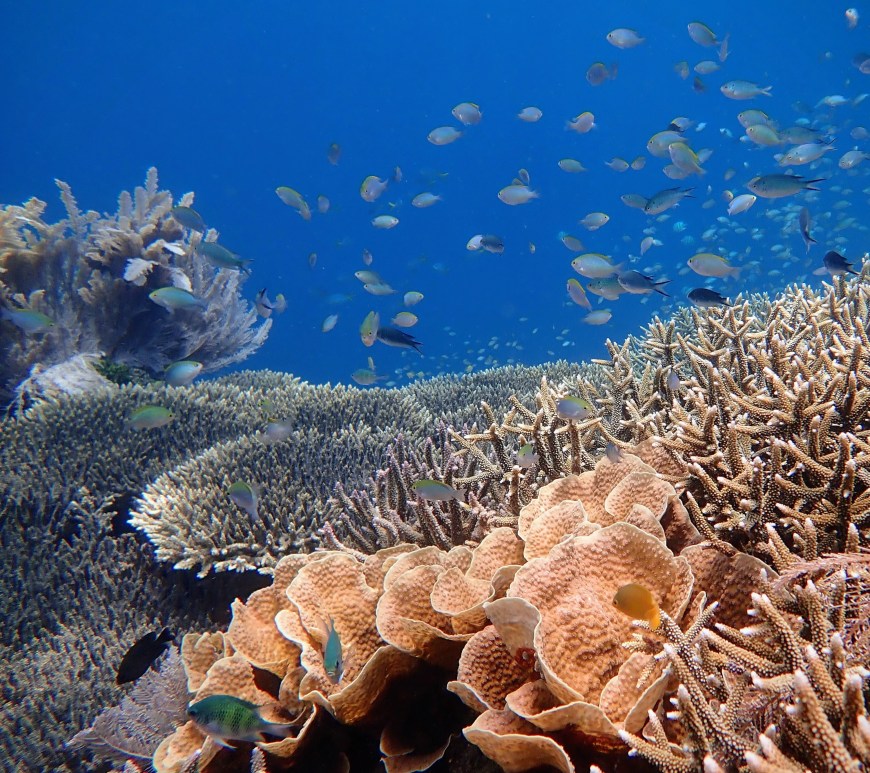
Conservationists are launching bold programmes to actively restore coral reefs around the world, but efforts are hampered by a lack of effective monitoring. In their latest research, Lamont and colleagues explore the use of passive acoustic monitoring for measuring the success of coral reef restoration. Co-author Ben Williams swims us through the study… Over 50% of the world’s tropical reef habitat has been lost since … Continue reading Reefs don’t just look better after restoration – they also sound healthier