Small fields, big benefits: But only with semi-natural habitats nearby

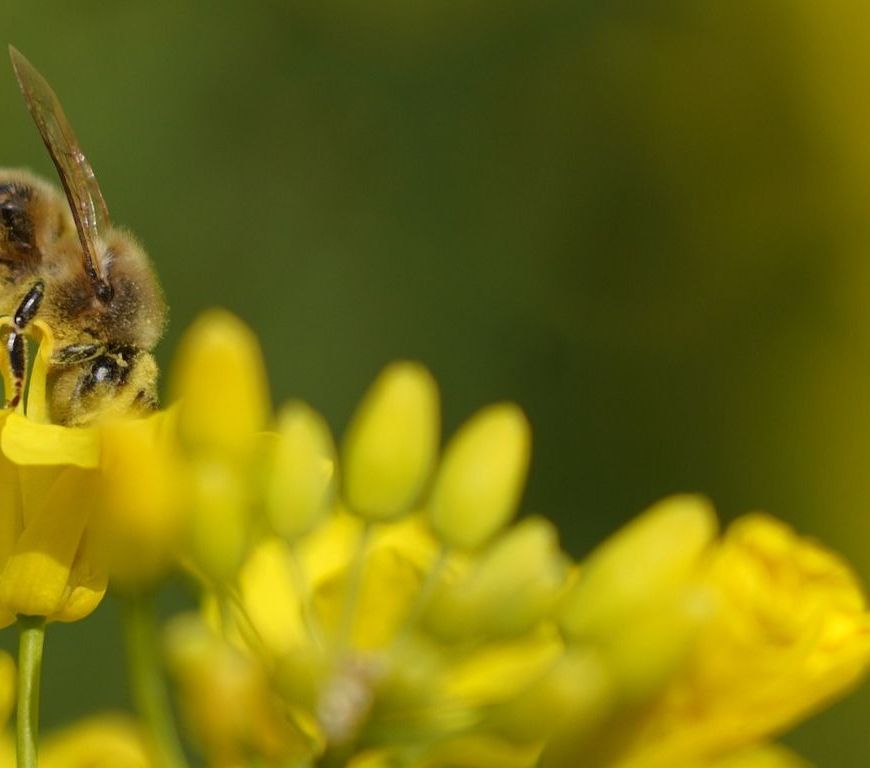
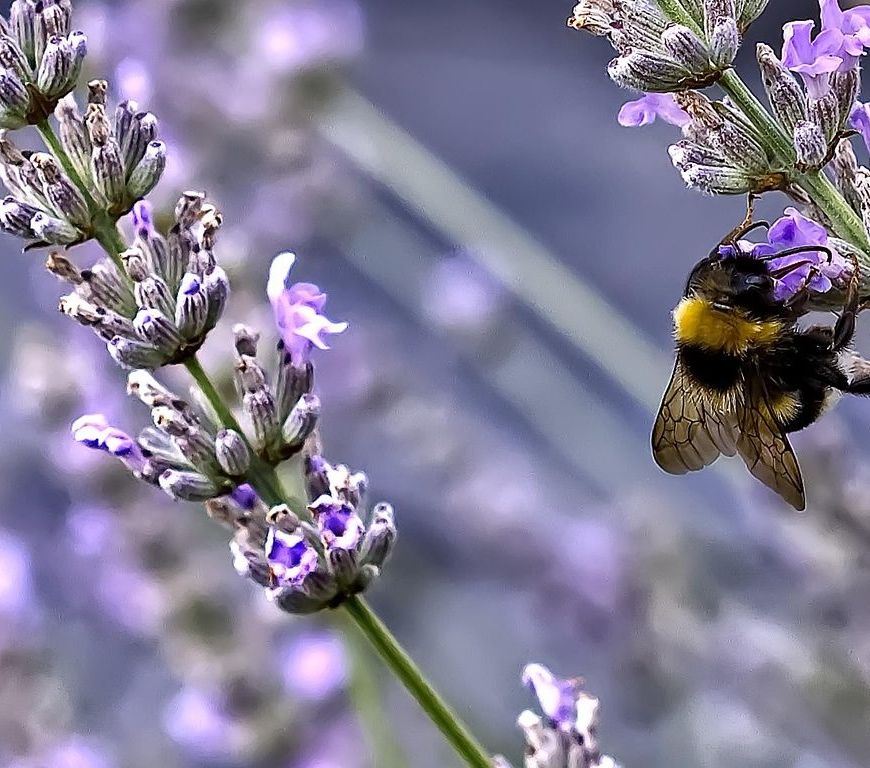
Pollinators, like bumblebees, are essential for agriculture, yet they’re declining due to landscape simplification and habitat loss. In this blog post, Riho Marja and colleagues tell us more about their study. Riho Marja and his team explored the effect of field size on Bumble bee populations in Austria and Hungary. They explored this by setting up 56 commercial bumblebee colonies in Eastern Austria and Western … Continue reading Small fields, big benefits: But only with semi-natural habitats nearby

Gulls as evil and allies to detect antibiotic resistance in agricultural environments

Víctor Martín and Joan Navarro talk us through how gulls tagged with GPS and tested for pathogens can be used as tools to detect early pathogen circulation and pollution sources in the environment. This is explored further in their new research article. Antimicrobial resistance is a global health challenge, exacerbated by the overuse of antibiotics in both human and veterinary medicine. The emergence and spread of … Continue reading Gulls as evil and allies to detect antibiotic resistance in agricultural environments

A disposição da plantação de café pode aumentar a produtividade e a sustentabilidade?

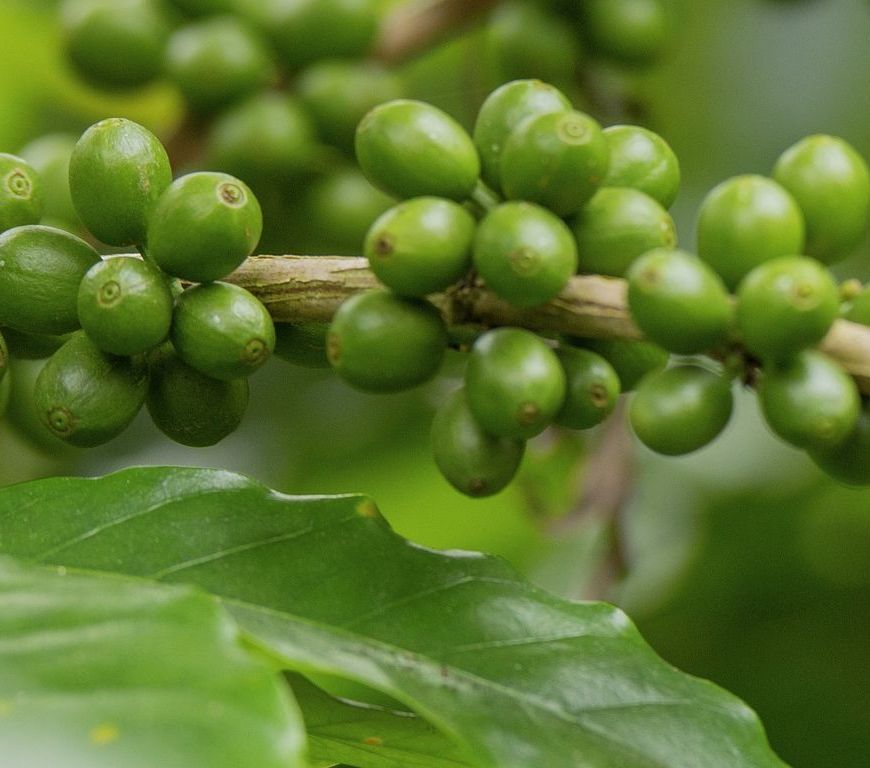
Gudryan J. Baronio discute sobre o recente estudo, conduzido em colaboração, que enfatiza o papel fundamental dos polinizadores na produção de café e seu impacto nas características dos frutos e sementes. As conclusões do estudo apoiam a otimização dos cafezais através da preservação da vegetação nativa para aumentar a produção de café e conservar a biodiversidade. Continue reading A disposição da plantação de café pode aumentar a produtividade e a sustentabilidade?

Can coffee plantation design boost both productivity and sustainability?

Gudryan J. Baronio discusses a recent study, conducted alongside colleagues, which emphasises the key role of pollinators in coffee production and their impact on fruit and seed characteristics. Their findings support optimising coffee plantation design by preserving native vegetation to increase coffee yields and conserve biodiversity. Continue reading Can coffee plantation design boost both productivity and sustainability?

Unravelling the seasonal dance: How flowering crops impact wild pollinators

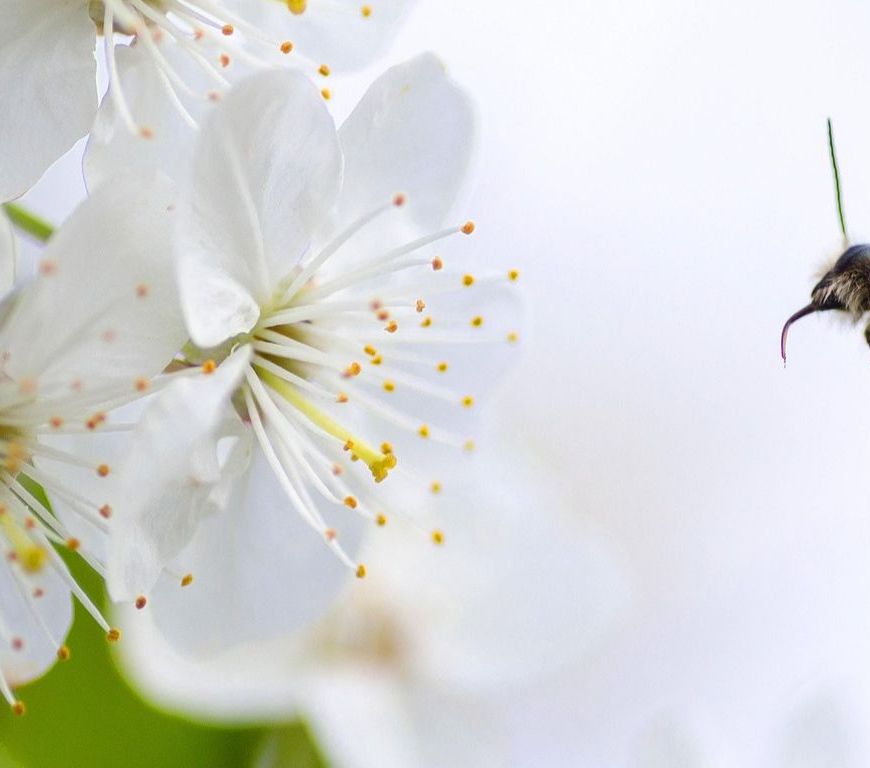
Laura Riggi talks us through the latest research, conducted with colleagues, which confirms that mass-flowering crop cultivation alone is unlikely to be sufficient for maintaining pollinators. However, as part of carefully designed diverse crop rotations or mixtures combined with the preservation of permanent non-crop habitats, it might provide valuable supplementary food resources for pollinators in temperate agroecosystems, particularly later in the season when alternative flower … Continue reading Unravelling the seasonal dance: How flowering crops impact wild pollinators

SolBeePop: A model of solitary bee populations in agricultural landscapes

Amelie Schmolke discusses recent work, conducted alongside colleagues, which involved the development of a trait-based model for solitary bees. Schmolke et al were able to model management scenarios and possible outcomes for bee species with incomplete trait data. An introduction to bees When thinking about bees, people often think of the honey bee. But there are over 20,000 species of bees in the world, most … Continue reading SolBeePop: A model of solitary bee populations in agricultural landscapes

Black History Month 2023 – Florent Noulekoun

For Black History Month 2023, the British Ecological Society (BES) journals are celebrating the work of Black ecologists from around the world and sharing their stories. In this blog, Florent shares his story and journey in academia. Name : Florent Anguilles Dehogbe Noulekoun Affiliation : Korea University / Seoul, Korea Ecology interests: Biodiversity and Ecosystem functioning, Land restoration, Global environmental changes Your story – How did you get … Continue reading Black History Month 2023 – Florent Noulekoun

Biodiversity in landscape mosaics: Local land use, landscape and dung beetle assemblages

Raquel Carvalho and Ellen Andresen explain new research that evaluates the impact of land use, landscape structure, and their interactions, on dung beetles, a group of insects that provides many ecosystem services. Carvalho et al demonstrated that both factors act together to shape biodiversity patterns, and that the effect of landscape structure often depends on the specific land use studied. The problem Understanding the impact … Continue reading Biodiversity in landscape mosaics: Local land use, landscape and dung beetle assemblages

M²-gardens to probe the rural landscape

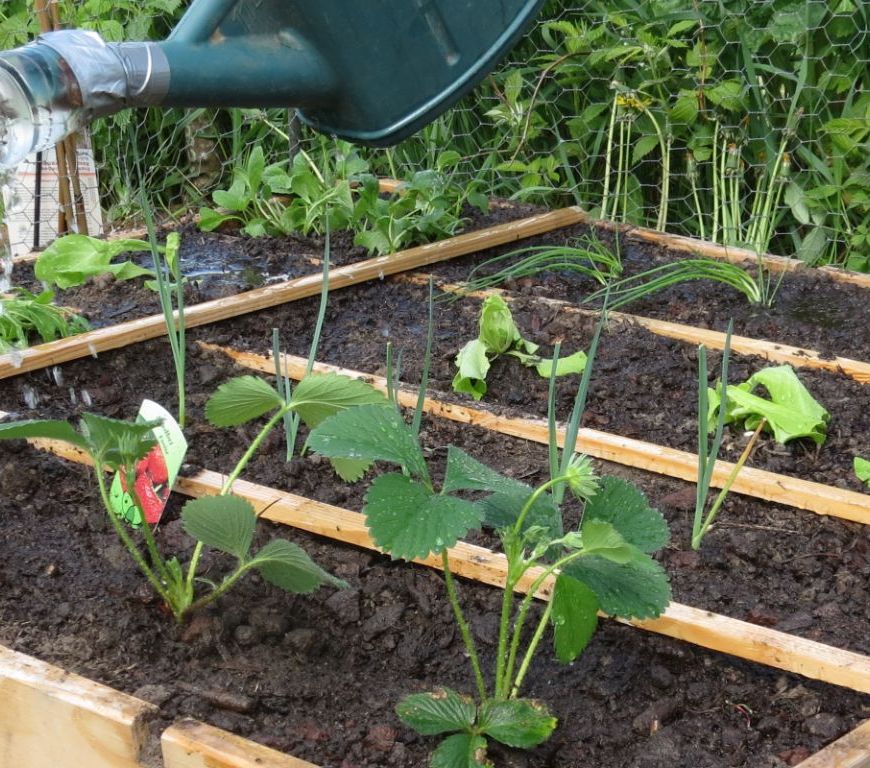
Frederik Gerits discusses their recently published article. Published in Journal of Applied Ecology, the article shows how variation in local land use types influence both biotic (e.g. presence and abundance of predatory arthropods and pollinators) and abiotic parameters (e.g. microclimate variation) in a peri-urban landscape. Our hypothesis is that these influences of landscape composition might further play a role in the resilience of landscapes in … Continue reading M²-gardens to probe the rural landscape

Harnessing drainage canals for biodiversity conservation

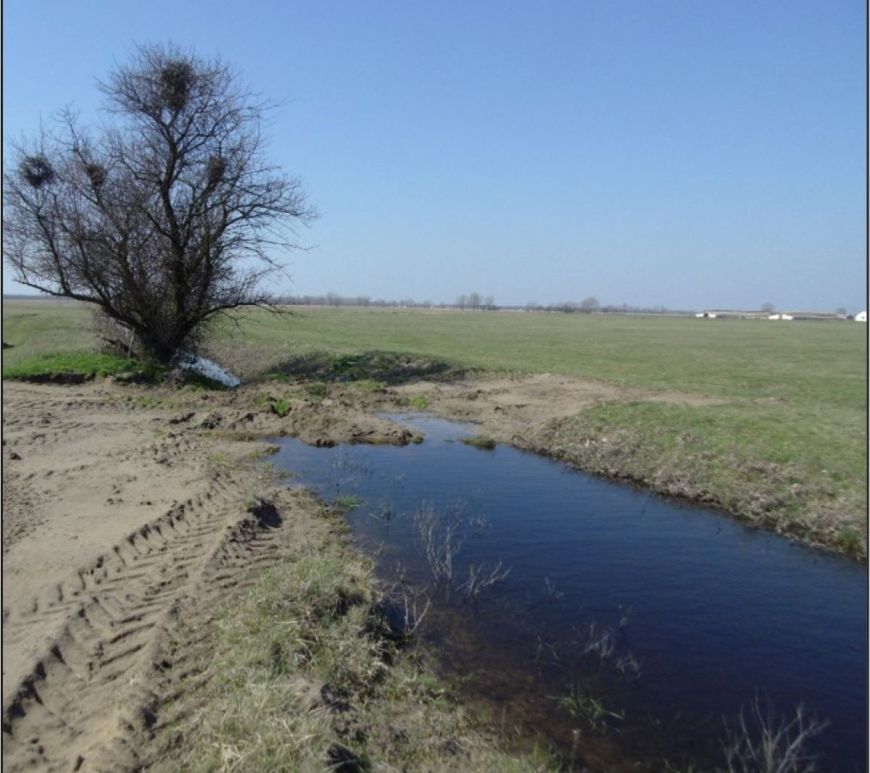
A new paper led by Csaba Tölgyesi from the University of Szeged, Hungary, shows that drainage canals can be harnessed for biodiversity conservation in desiccated, heavily transformed regions by reconciling the interests of opposing stakeholders. Drainage and subsequent land cultivation have been a major threat to global wetland ecosystems for centuries. In Europe, most lowland fens have been drained; approximately 25% of the arable land … Continue reading Harnessing drainage canals for biodiversity conservation