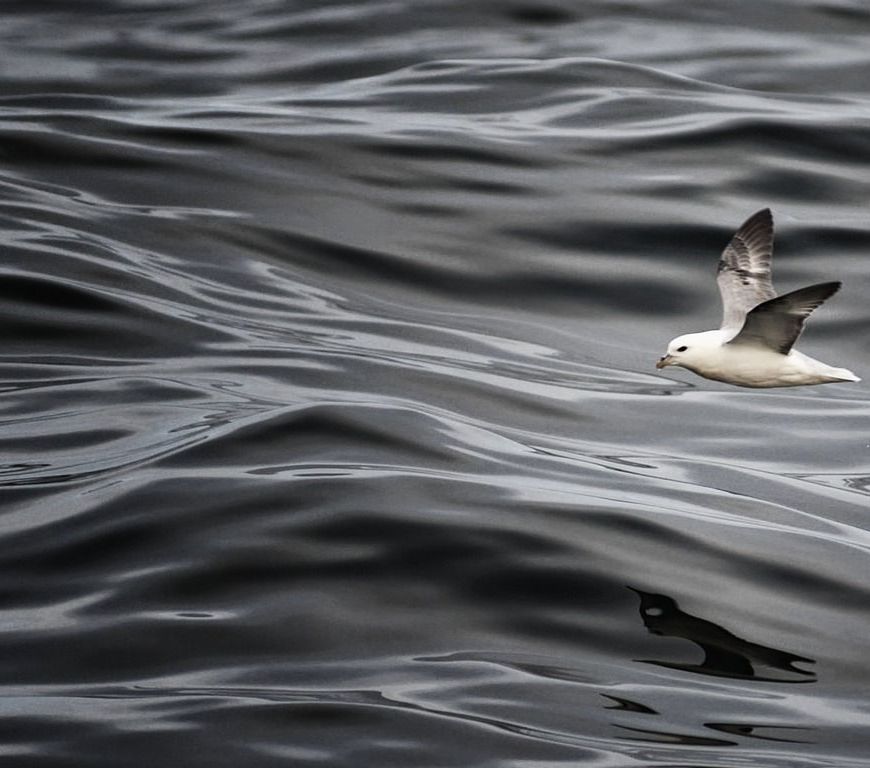
Implementing expert knowledge of seabird ecology in the Canadian Arctic with fuzzy cognitive mapping

Author Jennifer Provencher shares her team’s latest study that trials a novel tool that helps factor the multiple stressors to seabirds in the Canadian Arctic identified by experts into a graphical ‘cognitive map’. Wildlife populations are commonly subject to multiple, interacting stressors (e.g. pollution, climate change), which makes predicting the outcomes of management actions and identifying priorities a challenge. In data-poor locations like the Arctic, … Continue reading Implementing expert knowledge of seabird ecology in the Canadian Arctic with fuzzy cognitive mapping
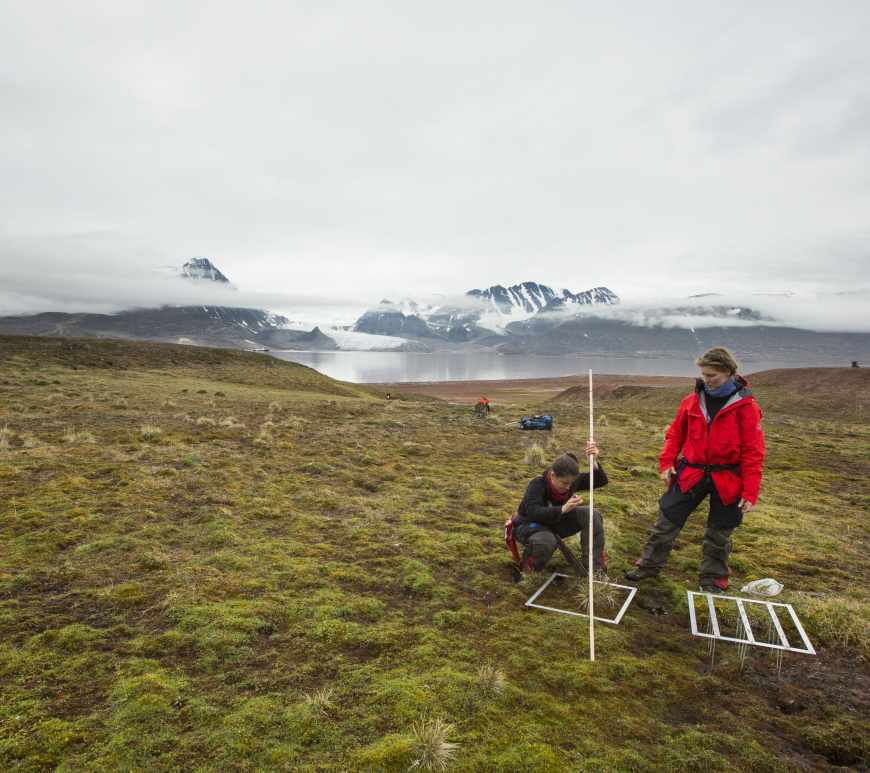
Research Stories: The hunt for arctic aliens

Authors Ronja Wedegärtner and Jesamine Bartlett recall their team’s expedition in the high-Arctic Svalbard to monitor alien flora and publish their latest research which presents the most comprehensive survey of alien vascular species in the archipelago to date. Whilst we do not hunt for extra-terrestrial aliens that may or may not be hidden under the ice (as some on the more unbridled sections of the … Continue reading Research Stories: The hunt for arctic aliens

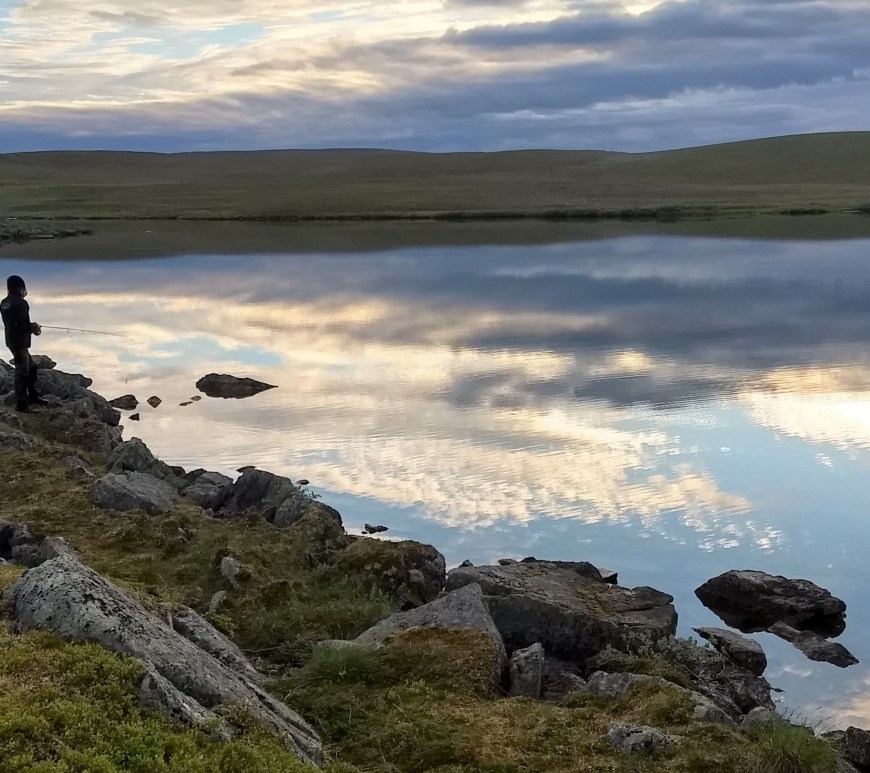
Editor’s choice 57:07 – An urgent need for standardised monitoring of Arctic freshwaters

Heino et al.’s recent Policy Direction provides an approach to freshwater biomonitoring that could equip us to manage the effects of climate change in the Arctic. Associate Editor, Robert Britton highlights the work as our latest Journal of Applied Ecology Editor’s Choice. Anthropogenic climate change is not resulting in uniform warming rates across the world, with some regions increasing in temperature faster than others. This … Continue reading Editor’s choice 57:07 – An urgent need for standardised monitoring of Arctic freshwaters

Managing invasive species in a warming Arctic

In this post Associate Editor Joseph Bennett discusses a paper he recently handled by Chris Ware and colleagues ‘Biological introduction risks from shipping in a warming Arctic’ It is well known that the Arctic is one of the most vulnerable regions to the impacts of climate change (IPCC 2014). Climate change will not only have direct impacts, it will also magnify the effects of existing … Continue reading Managing invasive species in a warming Arctic