Listening to solitary bees to learn about their activity patterns

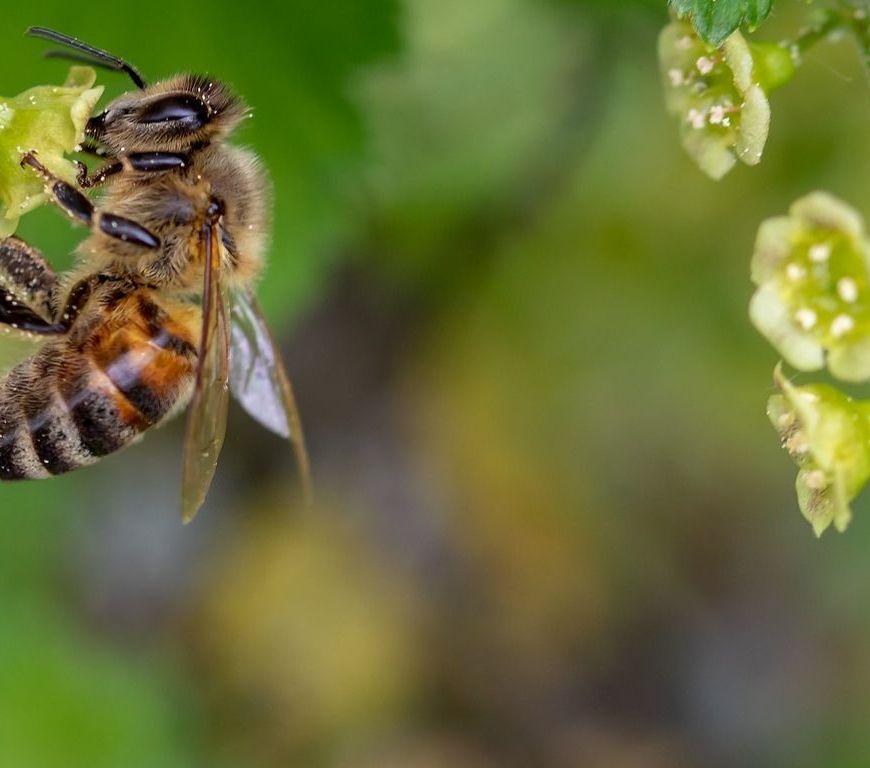
Susič et al. share their experience studying solitary bee activity at nesting boxes using passive acoustic monitoring and analysing the data using neural networks. There are thousands of species of solitary bees and they play important roles in their ecosystems, the best known being the pollinators of various plants. Several species choose holes in wood to make their nests – they fill each chamber they … Continue reading Listening to solitary bees to learn about their activity patterns

Science communication: A sticky situation

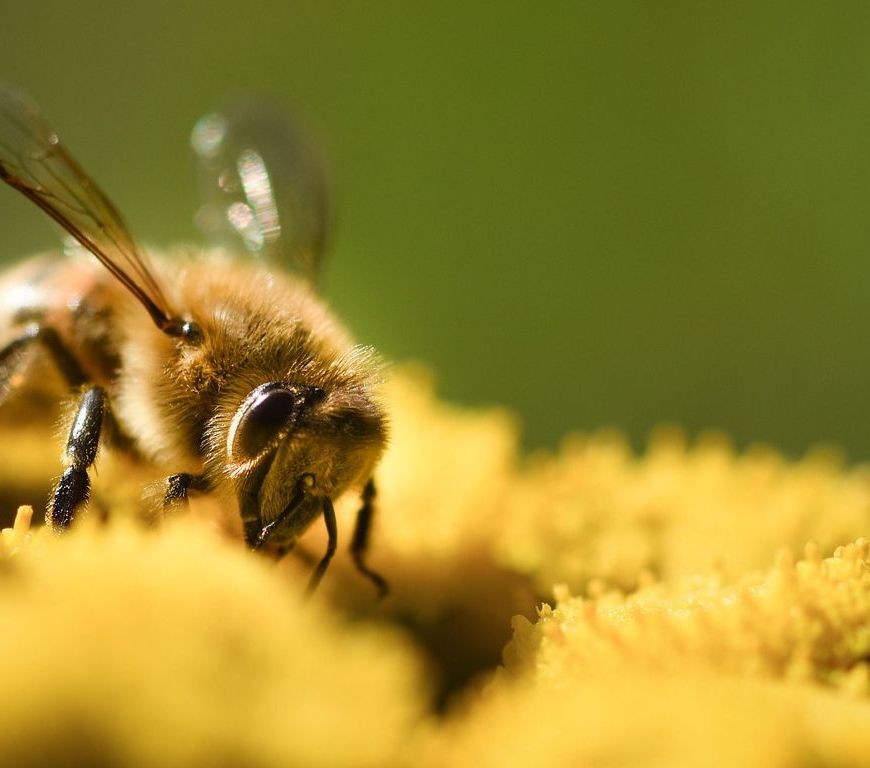
As part of Journal of Applied Ecology’s efforts to discuss how real-world impact can be achieved following research, we’re talking to authors about their studies. In this post, Edward Straw discusses his first experience with sharing research via social media. I think it’s fair to say that my experience publishing my first paper was atypical. Not many papers, let alone first papers, end up glued … Continue reading Science communication: A sticky situation

Smart orchard design improves crop pollination

In their new research article, Mina Anders (University of Göttingen, Germany) and colleagues compared the effects of agronomic practices, including agronomic inputs (irrigation and managed honey bees), orchard design without external inputs (spatial orchard structure), and landscape factors on nut production in South African macadamia orchards. The need for sustainable agricultural practices Conventional agricultural intensification causes biodiversity loss and environmental degradation. To reduce these impacts, … Continue reading Smart orchard design improves crop pollination

Southwood Prize 2019: early career researcher winner announced

We’re excited to announce Ségolène Humann‐Guilleminot as the winner of this year’s Southwood Prize, celebrating the best paper by an early career researcher in the 2019 (56th) volume of Journal of Applied Ecology. Ségolène’s winning paper is ‘A nation‐wide survey of neonicotinoid insecticides in agricultural land with implications for agri‐environment schemes’. About the research From ten years of being marketed in the mid-1990s, neonicotinoid insecticides … Continue reading Southwood Prize 2019: early career researcher winner announced

Cover stories: celebrating the beauty of pollinators

This month’s Journal of Applied Ecology cover shows a foraging male Habropoda tarsata. Photographer, David Kleijn shares the joy of rediscovering your passion for your study species. These days when we talk and write about pollinators, it is often in the context of their role as providers of pollination services. Pollinators are important for maintaining the production of the insect-pollinated crops that provide most of … Continue reading Cover stories: celebrating the beauty of pollinators

Conservando flores conservamos polinizadores?

An English version of this post is available here. La mayoría de los esfuerzos para promover la conservación de polinizadores están enfocados en mantener o incrementar el rango de plantas con flores disponibles para ellos. La razón es simple: las plantas con flores proveen néctar y polen, recursos esenciales para su subsistencia. Sin embargo, los polinizadores dependen de otros recursos que probablemente también determinan su … Continue reading Conservando flores conservamos polinizadores?

Are flowers enough for preserving pollinators?

Research from Buckles and Harmon-Threatt explores how prairie management strategies can affect pollinator communities both directly and indirectly, highlighting why we shouldn’t ignore what’s happening below ground. Associate Editor, Guadalupe Peralta elaborates. A Spanish version of this post is available here. Most efforts to preserve pollinators are focused on maintaining or increasing the range of flowering plants available. The reason behind this is clear: flowers … Continue reading Are flowers enough for preserving pollinators?

Bumblebees are frequent flyers – what are the impacts?

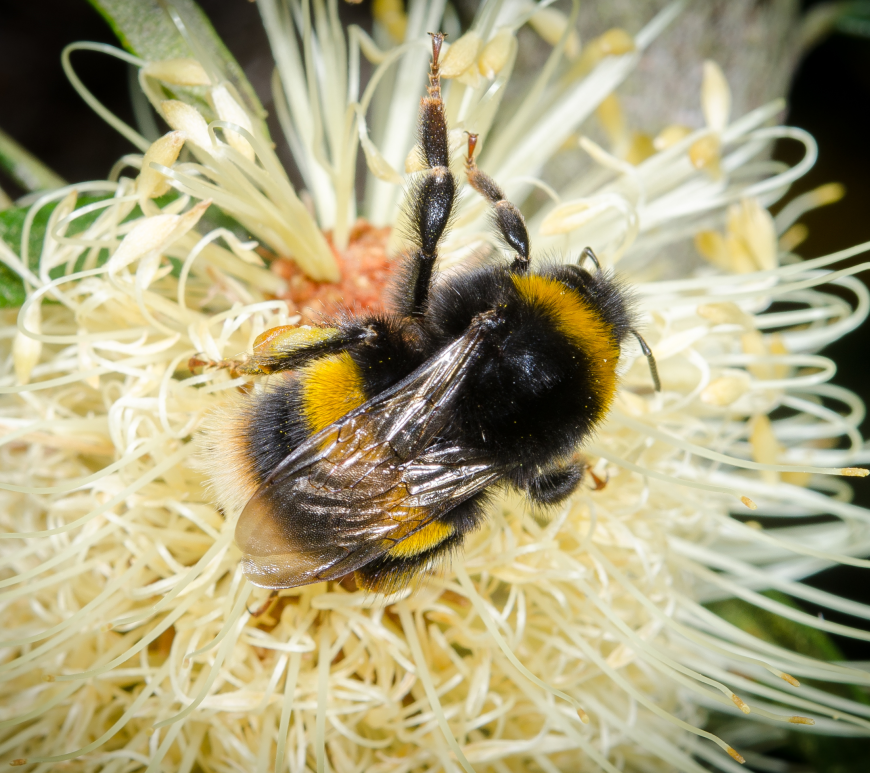
Addressing pollinator introduction policy and the effects introduced species can have on local ecosystems, Romina Rader, Manu Saunders and Tobias Smith discuss the recent Policy Direction, Coordinated species importation policies are needed to reduce serious invasions globally: The case of alien bumblebees in South America by Aizen et al. Bumblebees (Bombus spp.) are large, iconic pollinators of many wild flowers and crops.  Their ability to … Continue reading Bumblebees are frequent flyers – what are the impacts?