A disposição da plantação de café pode aumentar a produtividade e a sustentabilidade?

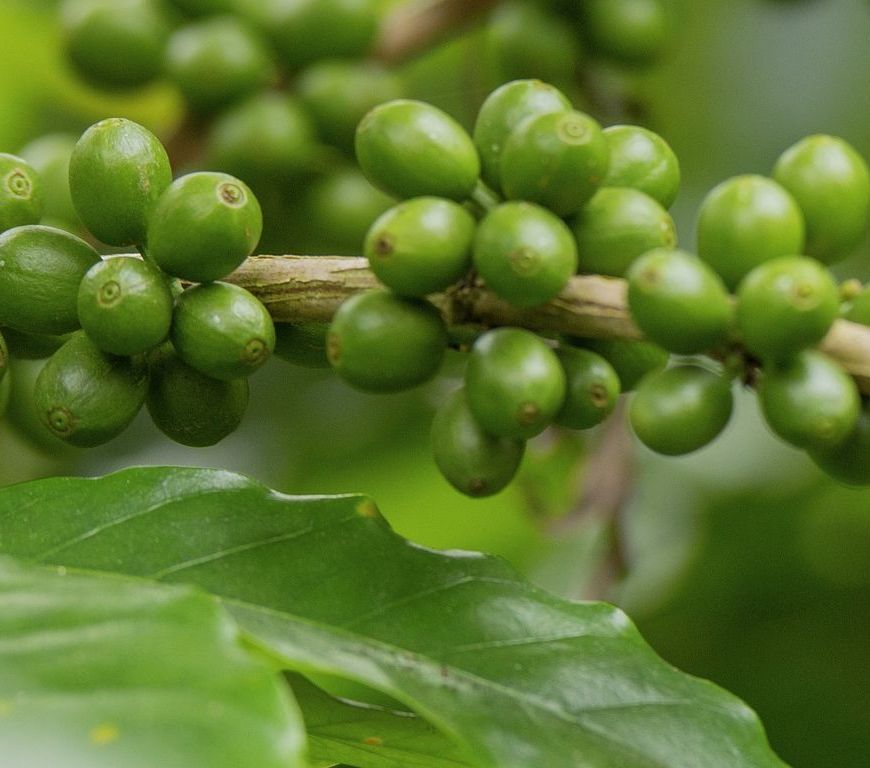
Gudryan J. Baronio discute sobre o recente estudo, conduzido em colaboração, que enfatiza o papel fundamental dos polinizadores na produção de café e seu impacto nas características dos frutos e sementes. As conclusões do estudo apoiam a otimização dos cafezais através da preservação da vegetação nativa para aumentar a produção de café e conservar a biodiversidade. Continue reading A disposição da plantação de café pode aumentar a produtividade e a sustentabilidade?

Can coffee plantation design boost both productivity and sustainability?

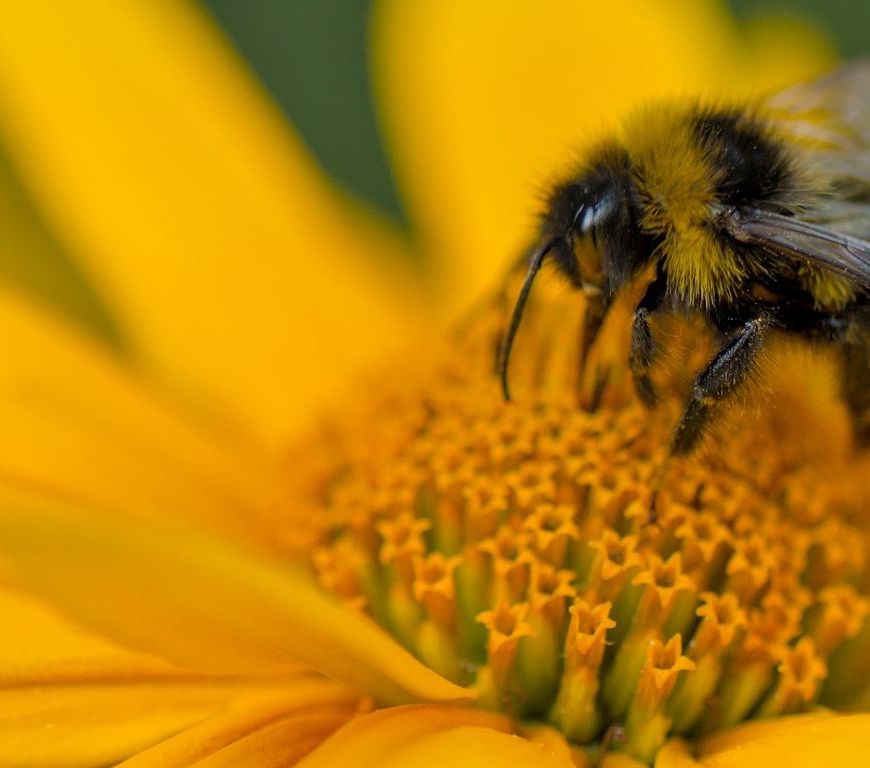
Gudryan J. Baronio discusses a recent study, conducted alongside colleagues, which emphasises the key role of pollinators in coffee production and their impact on fruit and seed characteristics. Their findings support optimising coffee plantation design by preserving native vegetation to increase coffee yields and conserve biodiversity. Continue reading Can coffee plantation design boost both productivity and sustainability?

Bees go up, flowers go down: When are flowers needed most in agricultural areas?

Gabriella Bishop introduces us to the latest study, conducted alongside colleagues, which indicates that agri-environmental management should target the provision of summer floral resources for both social and solitary bees. Bees in intensive agricultural landscapes Bees need flowers for food and reproduction. Previously, agricultural areas contained small fields with undisturbed borders and flower-rich pastures that provided bees with the resources they need. The transition to … Continue reading Bees go up, flowers go down: When are flowers needed most in agricultural areas?

Unravelling the seasonal dance: How flowering crops impact wild pollinators

Laura Riggi talks us through the latest research, conducted with colleagues, which confirms that mass-flowering crop cultivation alone is unlikely to be sufficient for maintaining pollinators. However, as part of carefully designed diverse crop rotations or mixtures combined with the preservation of permanent non-crop habitats, it might provide valuable supplementary food resources for pollinators in temperate agroecosystems, particularly later in the season when alternative flower … Continue reading Unravelling the seasonal dance: How flowering crops impact wild pollinators

SolBeePop: A model of solitary bee populations in agricultural landscapes

Amelie Schmolke discusses recent work, conducted alongside colleagues, which involved the development of a trait-based model for solitary bees. Schmolke et al were able to model management scenarios and possible outcomes for bee species with incomplete trait data. An introduction to bees When thinking about bees, people often think of the honey bee. But there are over 20,000 species of bees in the world, most … Continue reading SolBeePop: A model of solitary bee populations in agricultural landscapes

Corina Maurer: Different types of semi-natural habitat are required to sustain diverse wild bee communities across agricultural landscapes

Shortlisted for the Southwood Prize 2022 Corina Maurer talks us through her and colleagues’ research on how different kinds of habitats are able to maintain a diverse bee community throughout agricultural landscapes. Habitats and bees Open habitat mosaics, such as grasslands interspersed with hedgerows that existed more than 150 years ago, were home to very diverse wild bee communities. But, the once so diverse and … Continue reading Corina Maurer: Different types of semi-natural habitat are required to sustain diverse wild bee communities across agricultural landscapes

Rainbow Research: A Colour Prism

The Rainbow Research series returns to the British Ecological Society to celebrate Pride Month 2022! These special posts promote visibility and share stories from STEM researchers who belong to the LGBTQIA2S+ community. Each post is connected to one or more of the themes represented by the colours in the Progress Pride flag (Daniel Quasar 2018). In this post, Luiz Felipe Cordeiro Serigheli shares their story on a prism … Continue reading Rainbow Research: A Colour Prism

Conservation in post-industrial cities: How does vacant land management and landscape configuration influence urban bees?

Each year, Journal of Applied Ecology awards the Southwood Prize to the best paper in the journal by an author at the start of their career. In this post, Katie Turo discusses her shortlisted paper which assessed local- and landscape-scale drivers of bee community composition and foraging within vacant lots of Cleveland, Ohio, USA.  Our cities are home to diverse bee communities and even rare bee species. As a result, … Continue reading Conservation in post-industrial cities: How does vacant land management and landscape configuration influence urban bees?

Seasonal progression and differences in major floral resource use by bees and hoverflies in a diverse horticultural and agricultural landscape revealed by DNA metabarcoding

In their new study, Abigail Lowe and colleagues discuss why we need to know which pollinators use which plants in which seasons throughout the year, so that we can support them effectively. In the last few years, we have seen an immense increase in public support for pollinators with many choosing to buy pollinator-friendly plants for their garden. However, even with these good intentions, it’s … Continue reading Seasonal progression and differences in major floral resource use by bees and hoverflies in a diverse horticultural and agricultural landscape revealed by DNA metabarcoding

Bee abundance estimates vary by collection method and flowering richness

Monitoring bee populations is becoming increasingly important and commonplace, but do current methods produce reliable estimates of bee communities? Authors Marirose Kuhlman and Philip Hahn explore this question in their latest research. Wild bees are the main pollinators in nearly all terrestrial ecosystems and are essential to the reproductive cycles of many native plants, agricultural crops, and to the success of habitat restoration projects. Because … Continue reading Bee abundance estimates vary by collection method and flowering richness