Fauna sentinela: como o seguimento por GPS de espécies necrófagas fornece informação sobre o cumprimento dos regulamentos de gestão de cadáveres

Patrícia Mateo Tomás fala-nos do novo estudo que visa avaliar como o rastreio remoto da vida selvagem pode contribuir para uma melhor monitorização das leis ambientais. Através do rastreamento experimental de lobos e abutres via GPS, os pesquisadores conseguiram localizar um total de 489 carcaças de gado em Espanha e Portugal. Continue reading Fauna sentinela: como o seguimento por GPS de espécies necrófagas fornece informação sobre o cumprimento dos regulamentos de gestão de cadáveres

Fauna centinela: cómo el seguimiento GPS de especies necrófagas informa el cumplimiento de la normativa de gestión de carroñas

Patricia Mateo Tomás nos habla sobre el nuevo estudio de ella y sus colegas que tiene como objetivo evaluar cómo el seguimiento remoto de la vida silvestre puede contribuir a un mejor monitoreo de las leyes ambientales. A través del seguimiento experimental de lobos y buitres a través de GPS, los investigadores pudieron localizar un total de 489 cadáveres de ganado en España y Portugal. Continue reading Fauna centinela: cómo el seguimiento GPS de especies necrófagas informa el cumplimiento de la normativa de gestión de carroñas

Sentinel wildlife: GPS-tracking of scavengers to inform compliance with regulations on carcass disposal

Patricia Mateo Tomás talks us through her and colleagues’ new study which aims to assess how remotely tracking wildlife can contribute to the better monitoring of environmental laws. Through experimentally tracking wolves and vultures via GPS, researchers were able to locate a total of 489 livestock carcasses across Spain and Portugal. Continue reading Sentinel wildlife: GPS-tracking of scavengers to inform compliance with regulations on carcass disposal

ECR Journeys: PREDICTS – Using data for Conservation

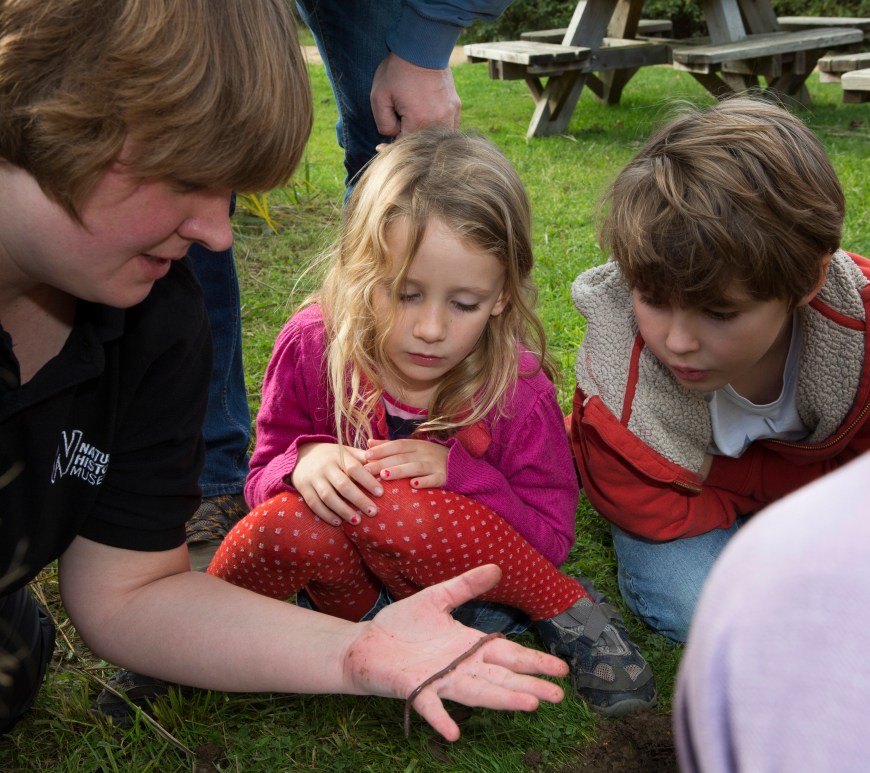
This month, The Applied Ecologist is amplifying the voice of early career ecologists from around the world working in the field of applied ecology to help inspire the next generation. In this post, Victoria Burton at the Natural History Museum, shares her story below. My Background I am a post-doctoral research assistant at the Natural History Museum and a trustee for the Amateur Entomologists’ Society. … Continue reading ECR Journeys: PREDICTS – Using data for Conservation

Resolving a heated debate: How useful is prescribed burning for lowland heaths?

Prescribed burning is a controversial management tool. Here, Barbara Smith discusses new research she and colleagues conducted into the impact of burning on lowland heaths at three trophic levels over a 20 year period. Its findings provide evidence for ecologists, land managers and policy makers to support decision making in protected area management. Background Lowland heathlands, with their unique assemblage of species, were created by … Continue reading Resolving a heated debate: How useful is prescribed burning for lowland heaths?

ECR Journeys: Treescapes for People and Nature 

This month, The Applied Ecologist is amplifying the voice of early career ecologists from around the world working in the field of applied ecology to help inspire the next generation. In this post, Melissa Minter, Conservation Scientist within the RSPB Centre for Conservation Science, shares their story below.    My background In my spare time, I love to play board games, (the favourite is Wingspan, of … Continue reading ECR Journeys: Treescapes for People and Nature 

Biodiversity in landscape mosaics: Local land use, landscape and dung beetle assemblages

Raquel Carvalho and Ellen Andresen explain new research that evaluates the impact of land use, landscape structure, and their interactions, on dung beetles, a group of insects that provides many ecosystem services. Carvalho et al demonstrated that both factors act together to shape biodiversity patterns, and that the effect of landscape structure often depends on the specific land use studied. The problem Understanding the impact … Continue reading Biodiversity in landscape mosaics: Local land use, landscape and dung beetle assemblages

M²-gardens to probe the rural landscape

Frederik Gerits discusses their recently published article. Published in Journal of Applied Ecology, the article shows how variation in local land use types influence both biotic (e.g. presence and abundance of predatory arthropods and pollinators) and abiotic parameters (e.g. microclimate variation) in a peri-urban landscape. Our hypothesis is that these influences of landscape composition might further play a role in the resilience of landscapes in … Continue reading M²-gardens to probe the rural landscape

Can pasture-fed livestock farming practices improve the ecological condition of grasslands?

Innovative farmers are adopting agro-ecological approaches to producing beef which they believe are better for biodiversity and soils. Lisa Norton (UK Centre for Ecology and Hydrology) and colleagues investigated the validity of these claims by comparing their grassland to those across the wider countryside surveyed as part of the national GB Countryside Survey.  Public concerns about the environmental impacts of meat production add to the … Continue reading Can pasture-fed livestock farming practices improve the ecological condition of grasslands?

Editor’s Choice 60:1 Weed communities are more diverse, but not more abundant, in dense and complex bocage landscapes

Associate Editor Pieter De Frenne talks us through a new research article by Boinot et al which found that the weed communities in bocage landscapes were functionally more diverse, creating important implications for the management of agricultural bocage landscapes. One of the cornerstones of many national and international agricultural policies, such as the EU Green Deal, is to transition to a sustainable food system and … Continue reading Editor’s Choice 60:1 Weed communities are more diverse, but not more abundant, in dense and complex bocage landscapes