Fauna sentinela: como o seguimento por GPS de espécies necrófagas fornece informação sobre o cumprimento dos regulamentos de gestão de cadáveres

Patrícia Mateo Tomás fala-nos do novo estudo que visa avaliar como o rastreio remoto da vida selvagem pode contribuir para uma melhor monitorização das leis ambientais. Através do rastreamento experimental de lobos e abutres via GPS, os pesquisadores conseguiram localizar um total de 489 carcaças de gado em Espanha e Portugal. Continue reading Fauna sentinela: como o seguimento por GPS de espécies necrófagas fornece informação sobre o cumprimento dos regulamentos de gestão de cadáveres

Fauna centinela: cómo el seguimiento GPS de especies necrófagas informa el cumplimiento de la normativa de gestión de carroñas

Patricia Mateo Tomás nos habla sobre el nuevo estudio de ella y sus colegas que tiene como objetivo evaluar cómo el seguimiento remoto de la vida silvestre puede contribuir a un mejor monitoreo de las leyes ambientales. A través del seguimiento experimental de lobos y buitres a través de GPS, los investigadores pudieron localizar un total de 489 cadáveres de ganado en España y Portugal. Continue reading Fauna centinela: cómo el seguimiento GPS de especies necrófagas informa el cumplimiento de la normativa de gestión de carroñas

Sentinel wildlife: GPS-tracking of scavengers to inform compliance with regulations on carcass disposal

Patricia Mateo Tomás talks us through her and colleagues’ new study which aims to assess how remotely tracking wildlife can contribute to the better monitoring of environmental laws. Through experimentally tracking wolves and vultures via GPS, researchers were able to locate a total of 489 livestock carcasses across Spain and Portugal. Continue reading Sentinel wildlife: GPS-tracking of scavengers to inform compliance with regulations on carcass disposal

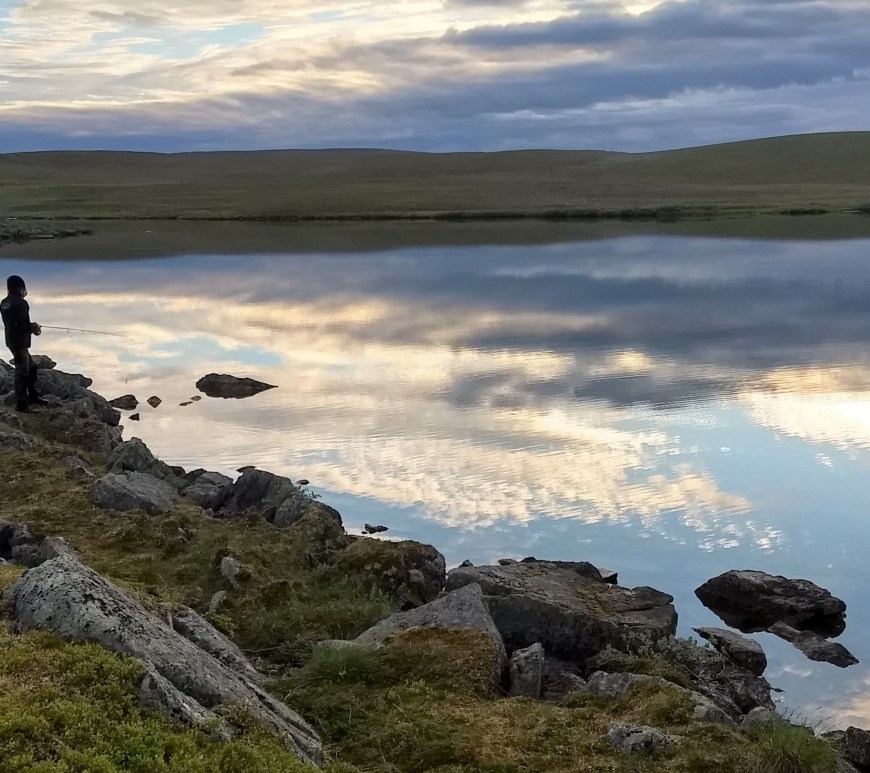
Editor’s choice 57:07 – An urgent need for standardised monitoring of Arctic freshwaters

Heino et al.’s recent Policy Direction provides an approach to freshwater biomonitoring that could equip us to manage the effects of climate change in the Arctic. Associate Editor, Robert Britton highlights the work as our latest Journal of Applied Ecology Editor’s Choice. Anthropogenic climate change is not resulting in uniform warming rates across the world, with some regions increasing in temperature faster than others. This … Continue reading Editor’s choice 57:07 – An urgent need for standardised monitoring of Arctic freshwaters

Tracking an apex marine predator – the shortfin mako shark

In this post Jeremy Vaudo and Mahmood Shivji discuss their article ‘Long-term satellite tracking reveals region-specific movements of a large pelagic predator, the shortfin mako shark, in the western North Atlantic Ocean’ In your paper you used satellite telemetry to investigate movements and seasonal distributions of shortfin mako sharks (Isurus oxyrinchus) in the western North Atlantic Ocean. What were the biggest challenges for this work? … Continue reading Tracking an apex marine predator – the shortfin mako shark

Comparing the responses of functional redundancy and functional diversity indices to stress

In this post Daniel Bruno discusses his paper ‘Impacts of environmental filters on functional redundancy in riparian vegetation’ The world’s ecosystems are experiencing an unprecedented increase in the amount and variety of impacts (global change) which is leading to an unprecedented biodiversity loss and modification of ecosystem functioning (e.g. changes in primary production, pollination, nutrient cycling and organic matter decomposition). Accordingly, there is a long-standing … Continue reading Comparing the responses of functional redundancy and functional diversity indices to stress