The importance of indirect effects of climate change adaptations on alpine and pre-alpine freshwater systems

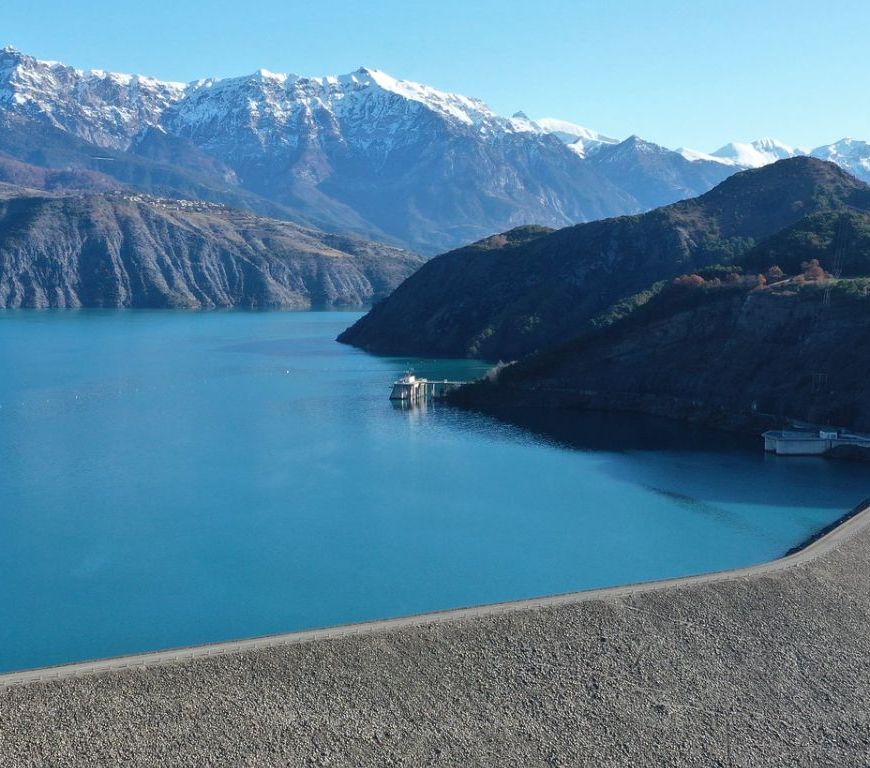
Feature photo edited from © Martin Laurenceau In their latest Perspective, Morgane Brosse and colleagues delve into the impact of human efforts to reduce or mitigate climate change, its effects on alpine freshwater environments and the role of specific management and policy decisions in determining the nature of these impacts. In an effort to address the threat of global change, much pressure is put on … Continue reading The importance of indirect effects of climate change adaptations on alpine and pre-alpine freshwater systems

Temporal trends in geographic clines of salmon eggs associated with global warming and hatchery programs

Koh Hasegawa and colleagues describe their latest research examining the geographic clines in Japanese chum salmon (Oncorhynchus keta). Many animal and plant species show geographic clines which are often recognized as adaptations to the associated transitional environments. A well-known example is that the body size of bears increase in more northern regions. Even people may notice clines in their daily lives, such as people in … Continue reading Temporal trends in geographic clines of salmon eggs associated with global warming and hatchery programs

A tool to guide the selection of tree species and seed sources for forest landscape restoration

In their latest research, Tobias Fremout and colleagues present a scalable and freely available online tool, Diversity for Restoration (D4R), to identify suitable tree species and seed sources for climate-resilient tropical forest landscape restoration. Governments, NGOs and companies around the world have made ambitious pledges to restore the Earth’s degraded ecosystems. These grand commitments, such as the Bonn Challenge and the One Trillion Tree Initiative, … Continue reading A tool to guide the selection of tree species and seed sources for forest landscape restoration

The hidden world of colours: a thermal story

This blog is part of our colourful countdown to the holiday season where we’re celebrating the diversity and beauty of the natural world. In this post, Johnathan Goldenberg of Ghent University unpicks the fascinating role of scale colouration in lizard temperature control and what this means under climate change. Colour is around us everyday, and we often talk about colours like everyone has the same experience as … Continue reading The hidden world of colours: a thermal story

Sundarbans in peril: interlinkages between science and society for addressing climate change

This year’s UN Climate Change Conference (COP26) will be held in Glasgow in November. In the lead up to the conference, we’re asking our editors and authors to share their research at the interface of climate and ecology. In this post, Associate Editor Punyasloke Bhadury explains why protecting ecosystems is a priority not just for nature, but for society. Sundarbans, the world’s largest continuous mangrove … Continue reading Sundarbans in peril: interlinkages between science and society for addressing climate change

Simple, low-cost tools can mitigate the negative impacts of climate change on incubating sea turtle clutches.

Successful incubation and production of male sea turtle hatchlings is threatened by increased global temperatures. In their latest research, Clarke and colleagues test the efficacy of two potential nest intervention approaches in reducing nest incubation temperatures in a nesting loggerhead turtle population in the Eastern Atlantic Ocean. Sea Turtles Are Vulnerable to Climate Change The Intergovernmental Panel on Climate Change (IPCC) predicts increases in global mean … Continue reading Simple, low-cost tools can mitigate the negative impacts of climate change on incubating sea turtle clutches.

Tropical riparian forests in danger from large savanna wildfires

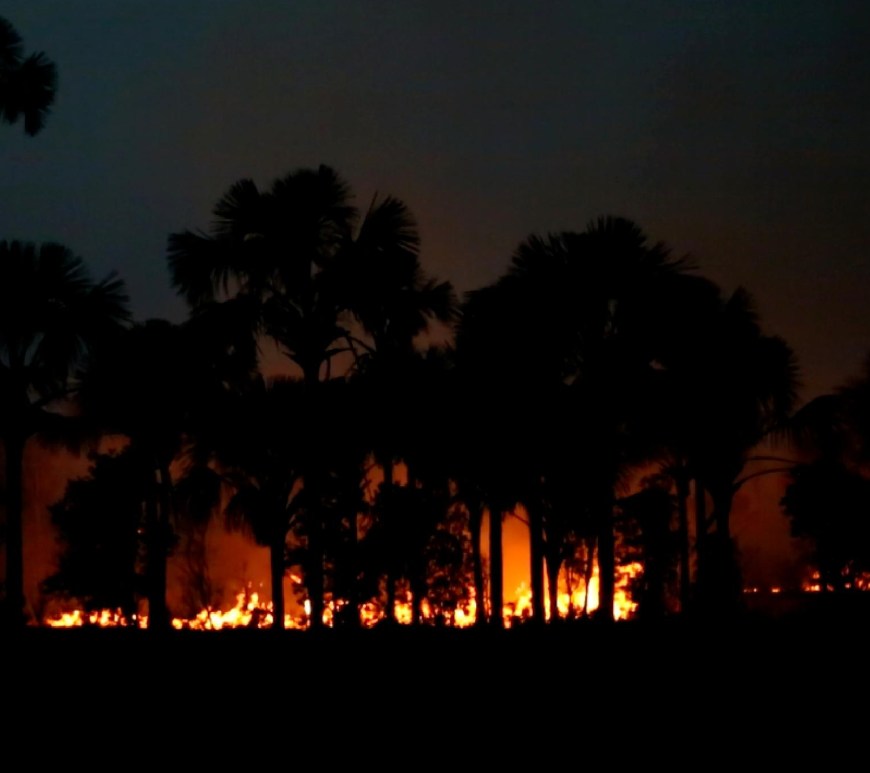
In their latest research, Flores and colleagues combine satellite image analysis with detailed field assessments, to quantify the impact caused by large wildfires on riparian forests in the Chapada dos Veadeiros National Park (CVNP). Large savanna wildfires are increasing across the tropics because of a synergism between climate change and unsustainable management practices. In Brazil, for instance, savannas of the Cerrado and Pantanal have recently … Continue reading Tropical riparian forests in danger from large savanna wildfires

Can forest remnants in oil palm act as microclimate oases for biodiversity?

There is growing interest in the ecological value of set‐aside habitats around rivers in tropical agriculture. In their latest research, Williamson and colleagues investigate the capacity for riparian buffers to act as microclimatic refugia across an oil palm dominated landscape in Borneo. In many ways, oil palm is a miracle crop – it is vastly more productive than its temperate and tropical counterparts and is … Continue reading Can forest remnants in oil palm act as microclimate oases for biodiversity?

The importance of wetland margin microhabitat mosaics

The use of microhabitats for thermoregulation in wetland species is poorly studied. In their latest research, Ryeland and colleagues conduct field observations of nine species of shorebird to test whether birds selectively use microhabitats across temperatures. Wetlands, and the species that rely upon them, are under significant threat world‐wide, and managing habitat for migratory wetland species, such as shorebirds, is particularly challenging because it requires … Continue reading The importance of wetland margin microhabitat mosaics

Editor’s choice 57:07 – An urgent need for standardised monitoring of Arctic freshwaters

Heino et al.’s recent Policy Direction provides an approach to freshwater biomonitoring that could equip us to manage the effects of climate change in the Arctic. Associate Editor, Robert Britton highlights the work as our latest Journal of Applied Ecology Editor’s Choice. Anthropogenic climate change is not resulting in uniform warming rates across the world, with some regions increasing in temperature faster than others. This … Continue reading Editor’s choice 57:07 – An urgent need for standardised monitoring of Arctic freshwaters