Predicting dispersal and conflict risk for wolf recolonisation in Colorado

Mark Ditmer discusses his and colleagues’ new research which aims to predict wolf movement and potential conflict hotspots following the state of Colorado’s decision to reintroduce gray wolves. This data may be used to offer practical, actionable recommendations for decision-makers. Animal movement and conflict risk Species’ ranges are shifting – and accurately predicting the way species disperse in novel areas can greatly enhance conservation efforts. … Continue reading Predicting dispersal and conflict risk for wolf recolonisation in Colorado

Fauna sentinela: como o seguimento por GPS de espécies necrófagas fornece informação sobre o cumprimento dos regulamentos de gestão de cadáveres

Patrícia Mateo Tomás fala-nos do novo estudo que visa avaliar como o rastreio remoto da vida selvagem pode contribuir para uma melhor monitorização das leis ambientais. Através do rastreamento experimental de lobos e abutres via GPS, os pesquisadores conseguiram localizar um total de 489 carcaças de gado em Espanha e Portugal. Continue reading Fauna sentinela: como o seguimento por GPS de espécies necrófagas fornece informação sobre o cumprimento dos regulamentos de gestão de cadáveres

Fauna centinela: cómo el seguimiento GPS de especies necrófagas informa el cumplimiento de la normativa de gestión de carroñas

Patricia Mateo Tomás nos habla sobre el nuevo estudio de ella y sus colegas que tiene como objetivo evaluar cómo el seguimiento remoto de la vida silvestre puede contribuir a un mejor monitoreo de las leyes ambientales. A través del seguimiento experimental de lobos y buitres a través de GPS, los investigadores pudieron localizar un total de 489 cadáveres de ganado en España y Portugal. Continue reading Fauna centinela: cómo el seguimiento GPS de especies necrófagas informa el cumplimiento de la normativa de gestión de carroñas

Sentinel wildlife: GPS-tracking of scavengers to inform compliance with regulations on carcass disposal

Patricia Mateo Tomás talks us through her and colleagues’ new study which aims to assess how remotely tracking wildlife can contribute to the better monitoring of environmental laws. Through experimentally tracking wolves and vultures via GPS, researchers were able to locate a total of 489 livestock carcasses across Spain and Portugal. Continue reading Sentinel wildlife: GPS-tracking of scavengers to inform compliance with regulations on carcass disposal

ECR Journeys: Treescapes for People and Nature 

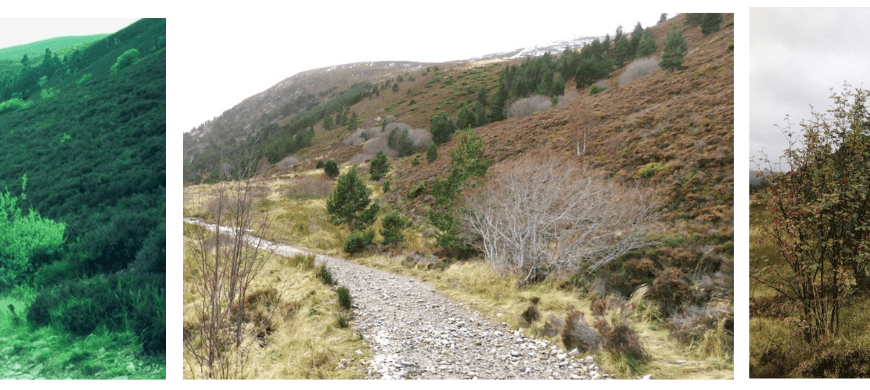
This month, The Applied Ecologist is amplifying the voice of early career ecologists from around the world working in the field of applied ecology to help inspire the next generation. In this post, Melissa Minter, Conservation Scientist within the RSPB Centre for Conservation Science, shares their story below.    My background In my spare time, I love to play board games, (the favourite is Wingspan, of … Continue reading ECR Journeys: Treescapes for People and Nature 

ECR Journeys:  We are the Polar Alien Hunters 

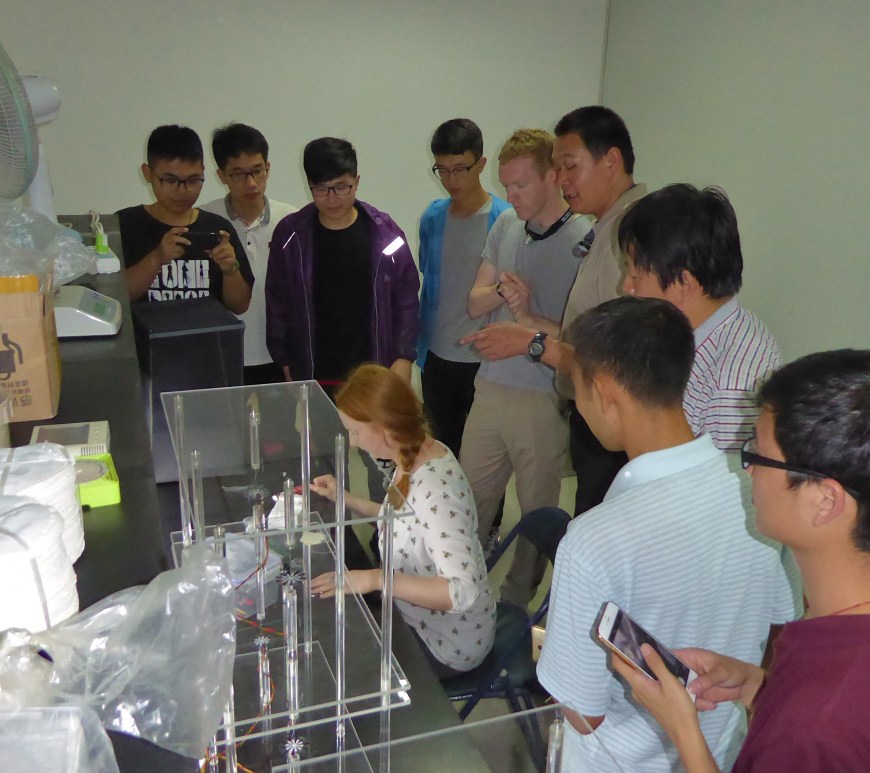
This month, The Applied Ecologist is amplifying the voice of early career ecologists from around the world working in the field of applied ecology to help inspire the next generation. In this post, Jasmine Lee (British Antarctic Survey) and Christy Hehir (University of Surrey) share their story below.  Our backgrounds Christy: I am an environmental psychologist lecturer from the University of Surrey. In my spare … Continue reading ECR Journeys:  We are the Polar Alien Hunters 

Elección del editor 60:8 Twitter, cuarentenas con COVID y una revisión sistemática

Los autores Kevin Tkach y Maggie Watson nos cuentan como desarrollaron su investigación cuando los cierres por las cuarentenas debido al COVID-19 les impidió reunirse (en persona) para trabajar en un proyecto de doctorado. En lugar de ello, durante tres años trabajaron juntos en una revisión sistemática para intentar comprender cómo se aplicaban las herramientas genéticas en problemas de conservación complejos. Continue reading Elección del editor 60:8 Twitter, cuarentenas con COVID y una revisión sistemática

Editor’s Choice 60:8 Twitter, Covid-19 lockdowns and a systematic review

This blog post is also available in Spanish here. Authors Kevin Tkach and Maggie Watson recall how they kept their focus when lockdowns in both countries prevented their meeting in-person to work on a PhD project. Instead, over a three-year period, they worked together on a systematic review trying to understand how conservation genetics tools were applied to conservation problems. How the project begun Before … Continue reading Editor’s Choice 60:8 Twitter, Covid-19 lockdowns and a systematic review

Drone-induced flight initiation distances for shorebirds in mixed-species flocks

Joshua Wilson discusses recent research at Moreton Bay, Australia which saw Wilson and colleagues conduct over 200 drone approaches of shorebird flocks to measure how the birds respond to drones. Particular attention is paid to the critically endangered Eastern Curlew. Stress responses Imagine you’re resting in your bed when, out of the corner of your eye, you see something scuttling along the roof towards you. … Continue reading Drone-induced flight initiation distances for shorebirds in mixed-species flocks

ECR Journeys: Rainforest invertebrates, woody vines and ecosystem functions

This month, The Applied Ecologist is amplifying the voice of early career ecologists from around the world working in the field of applied ecology to help inspire the next generation. In this post, Charlotte Raven, a second-year PhD student at the University of the Sunshine Coast, Australia, shares her story. My background I have had a passion for insects my entire life; I think it … Continue reading ECR Journeys: Rainforest invertebrates, woody vines and ecosystem functions