Cover crop mixtures enhance multiple ecosystem functions: A global meta-analysis

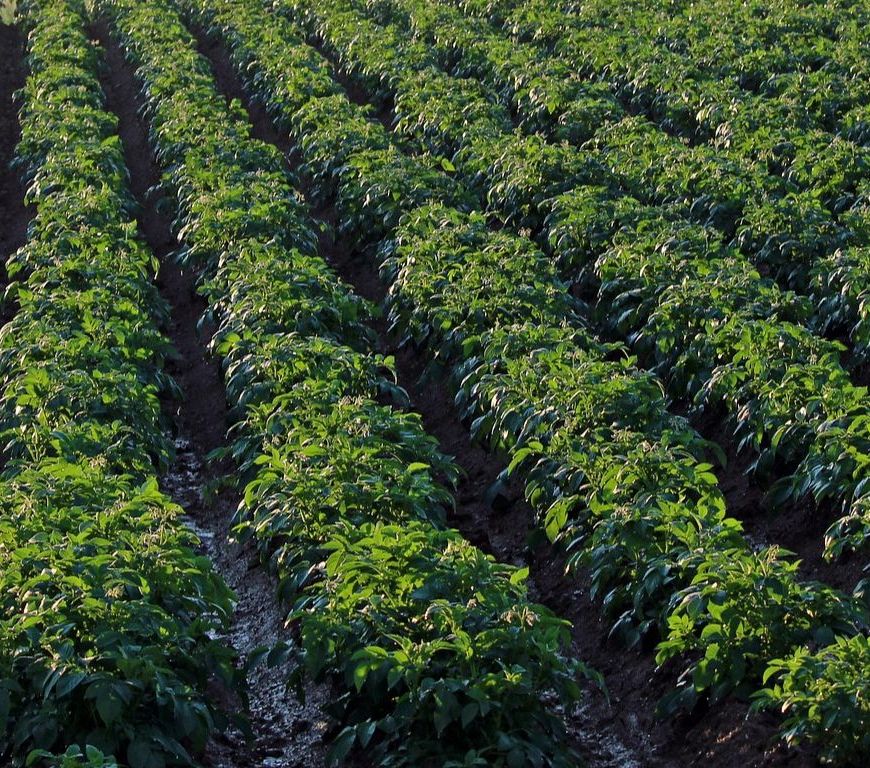
In this blog post, Yunhui Liu and team share insights from their recent global meta-analysis on how cover crop mixtures can enhance agricultural sustainability by promoting multiple ecosystem functions. As agriculture faces growing challenges from climate change and land degradation, cover crops are increasingly recognized as an essential tool for improving soil health and farm resilience. While the use of single-species cover crops is well … Continue reading Cover crop mixtures enhance multiple ecosystem functions: A global meta-analysis

A disposição da plantação de café pode aumentar a produtividade e a sustentabilidade?

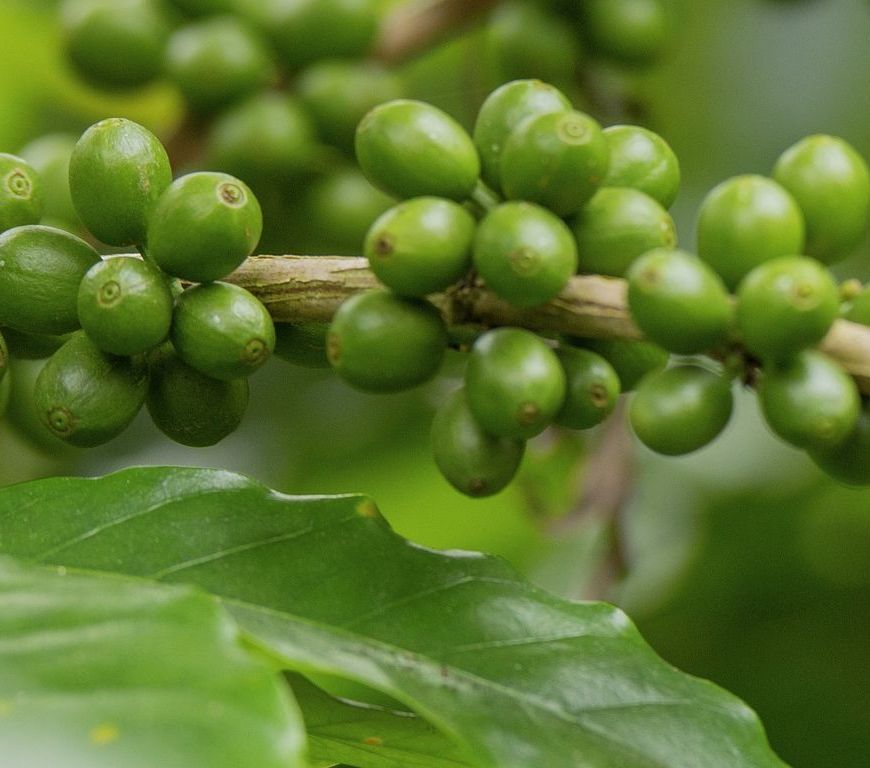
Gudryan J. Baronio discute sobre o recente estudo, conduzido em colaboração, que enfatiza o papel fundamental dos polinizadores na produção de café e seu impacto nas características dos frutos e sementes. As conclusões do estudo apoiam a otimização dos cafezais através da preservação da vegetação nativa para aumentar a produção de café e conservar a biodiversidade. Continue reading A disposição da plantação de café pode aumentar a produtividade e a sustentabilidade?

Can coffee plantation design boost both productivity and sustainability?

Gudryan J. Baronio discusses a recent study, conducted alongside colleagues, which emphasises the key role of pollinators in coffee production and their impact on fruit and seed characteristics. Their findings support optimising coffee plantation design by preserving native vegetation to increase coffee yields and conserve biodiversity. Continue reading Can coffee plantation design boost both productivity and sustainability?

Variety is the spice of life: diverse key pollinators of British strawberry need non-crop resources

Author Edith Villa-Galaviz shares her team’s latest study exploring key pollinator species identity and behaviour for strawberry crops that can provide vital insights for improving crop yield. Fourteen years ago, a PhD student collected a large dataset on the visitation and pollen loads of the insects that visited three strawberry fields in the South West England. For various reasons, the student couldn’t publish their paper … Continue reading Variety is the spice of life: diverse key pollinators of British strawberry need non-crop resources

Beste managementpraktijken om opbrengstverlies door ganzen te verminderen

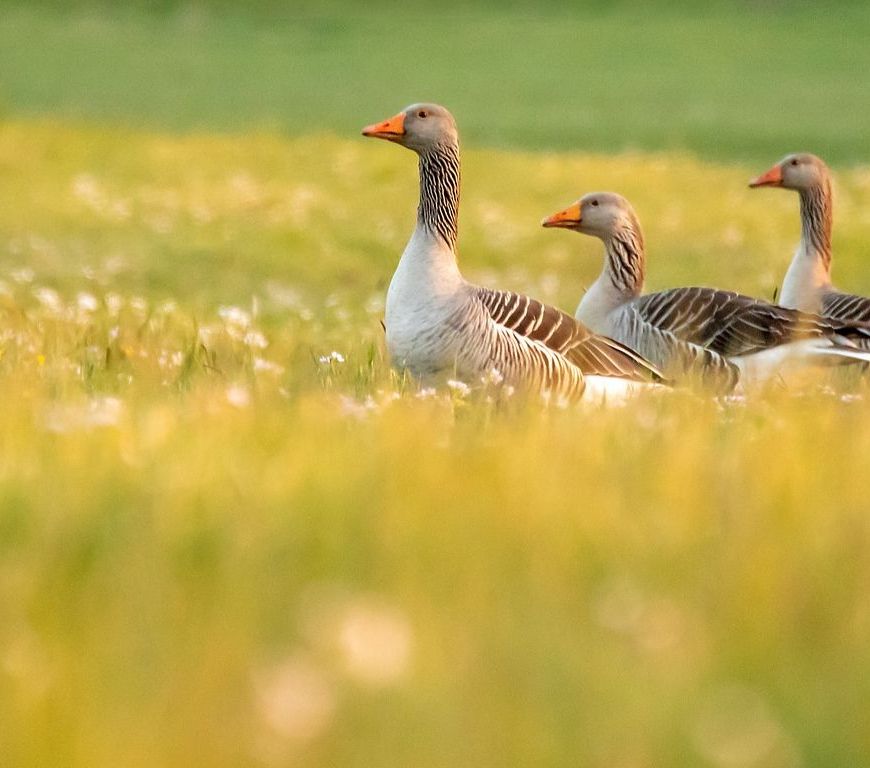
Monique de Jager bespreekt recent onderzoek met collega’s dat probeert te begrijpen wat de meest kosteneffectieve manier is om gewasverlies als gevolg van grazende ganzen te verminderen. Na het uitvoeren van een model met verschillende begrazings- en schrikscenario’s, bleek dat de beste beheeroptie is om ganzen te laten grazen. Continue reading Beste managementpraktijken om opbrengstverlies door ganzen te verminderen

Best management practices to decrease goose-related yield loss

This blog post is also available in Dutch here. Monique de Jager discusses recent research with colleagues that seeks to understand the most cost-effective way of decreasing crop loss as a result of grazing geese. After running a model with several different grazing and scaring scenarios, it was found that the best management option is to leave geese to graze. Introduction The rebound of the … Continue reading Best management practices to decrease goose-related yield loss

Chongzhe Zhang: Leveraging functional traits of cover crops to coordinate crop productivity and soil health

Shortlisted for the Southwood Prize 2022 In this blog post, Chongzhe Zhang talks us through his and colleagues’ research involving a trait-based field experiment in which cover crops were measured to evaluate soil health, crop productivity and agricultural ecosystem sustainability. Trait-based ecology The grand challenge of feeding a growing population while preserving biodiversity and ecosystem sustainability is a daunting task for humanity. To achieve a … Continue reading Chongzhe Zhang: Leveraging functional traits of cover crops to coordinate crop productivity and soil health

Sustainable intensification: our quest for the ‘holy grail’

Is it possible to meet food demands and increase production without the damaging costs to the environment? Patrick White et al. tackle this challenge in their recently published research in the journal. As the world population grows, our finite land is put under increasing pressure to meet food demands. Historically we have increased agricultural yields by increasing the intensity of agricultural practices – for example … Continue reading Sustainable intensification: our quest for the ‘holy grail’

Ecological diversity metrics can teach us how to feed the world well

For the latest post in our Functional traits in agroecology series, Stephen Wood (The Nature Conservancy, Yale School of Forestry & Environmental Studies) highlights the importance of considering social and human, as well as ecological traits in agricultural systems. The full article, Nutritional functional trait diversity of crops in south-eastern Senegal is a part of a Special Feature in Journal of Applied Ecology. Crop yields have … Continue reading Ecological diversity metrics can teach us how to feed the world well

Leveraging functional diversity in farm fields for sustainability

The latest issue of Journal of Applied Ecology includes a Special Feature, Functional traits in agroecology. To accompany the feature, we’re introducing a series of blog posts from the authors themselves. The first of these comes from Jennifer Blesh and discusses her article, Functional traits in cover crop mixtures: Biological nitrogen fixation and multifunctionality. Global climate, energy, and water crises pose immense challenges for agricultural systems. … Continue reading Leveraging functional diversity in farm fields for sustainability