Pixelated pathologies: Camera trapping as a tool for monitoring wildlife health

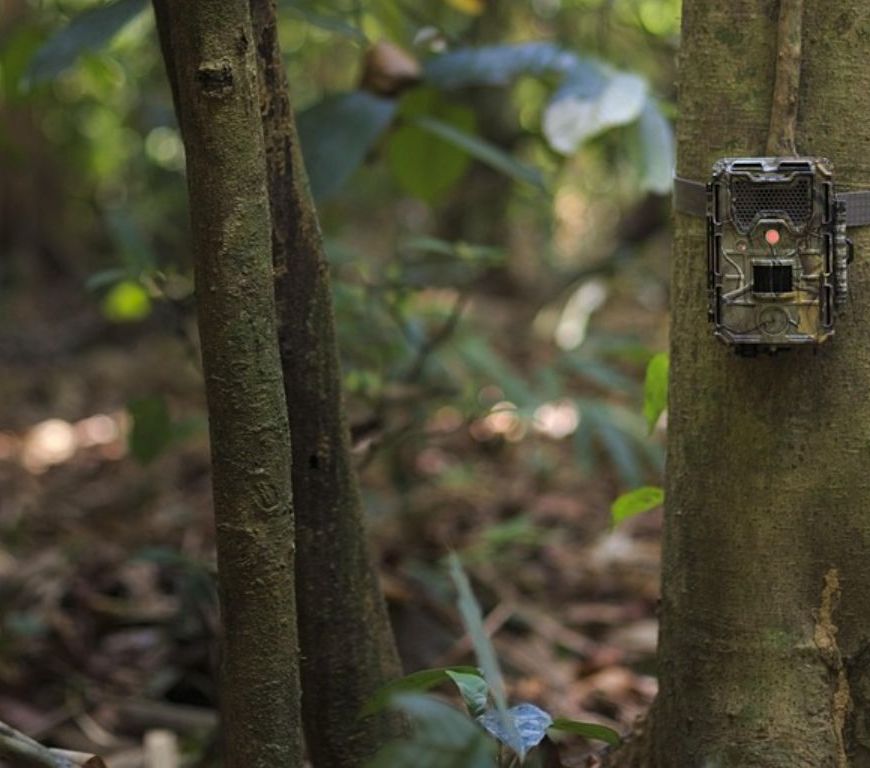
In a world of emerging diseases that threaten both wildlife conservation and public health, finding innovative ways to monitor animal populations has never been more necessary. Traditional methods often involve capturing or handling animals, which is stressful, costly, and logistically challenging. But what if we could detect diseases without disturbing an animal? A promising solution for this challenge is the use of camera traps. This … Continue reading Pixelated pathologies: Camera trapping as a tool for monitoring wildlife health

Estimating when the Tiger mosquito will invade a country to prevent the exposure to vector-borne diseases

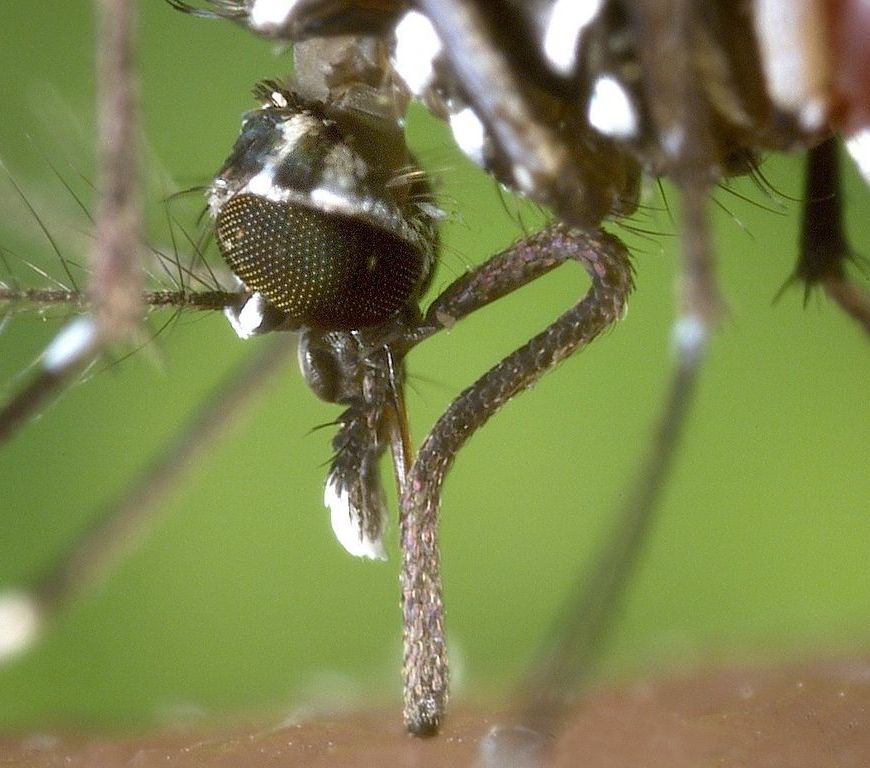
Sandra Oliveira discusses new research, conducted with colleagues, that saw the development of a model to predict the possible future spread of the invasive Tiger mosquito. The Tiger mosquito (Aedes albopictus) is a highly invasive species that, in the last 40 years, has colonized all continents except Antarctica. Why do we need to worry about it? Because this mosquito can carry several viruses and spread … Continue reading Estimating when the Tiger mosquito will invade a country to prevent the exposure to vector-borne diseases

Let’s improve disease metrics in wildlife: an example with Darwin’s frogs infected by the deadly chytrid fungus

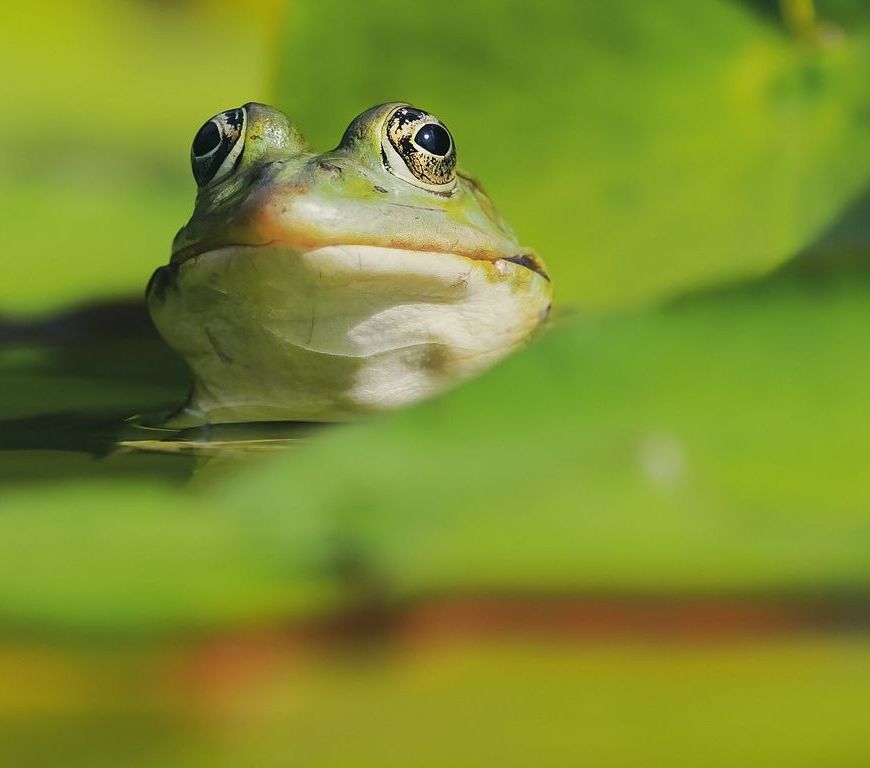
Hugo Sentenac discusses theirs and colleagues’ recent research article which uses data from a fungal pathogen and Darwin’s frogs to assess the magnitude of prevalence bias, as well as illustrate how it can impact disease risk assessment. Infectious diseases: Batrachochytrium dendrobatidis Certain infectious diseases have wrought havoc in nature. One dramatic example is the amphibian chytridiomycosis caused by the chytrid fungus Batrachochytrium dendrobatidis.  It has … Continue reading Let’s improve disease metrics in wildlife: an example with Darwin’s frogs infected by the deadly chytrid fungus

Comportement alimentaire des prédateurs et charognards et opportunités pour la dissémination d’agents pathogènes

Les maladies infectieuses sont depuis peu reconnues comme une menace importante pour les populations sauvages, notamment les oiseaux marins. Afin de mettre en place des mesures de surveillance et de gestion efficaces, il est essentiel de regarder au-delà de l’animal malade pour pouvoir identifier les individus ou espèces impliqués dans les processus épidémiologiques cryptiques, tels que la dissémination d’agents pathogènes. Amandine Gamble et collaborateurs résument … Continue reading Comportement alimentaire des prédateurs et charognards et opportunités pour la dissémination d’agents pathogènes