Natália Medeiros: Deficiências críticas para a restauração de biomas gramíneas tropicais

Finalista do Prémio Southwood 2024 Natália Medeiros explica a sua mais recente investigação sobre biomas gramíneos tropicais, que envolveu a revisão da associação de técnicas de restauração e fontes de degradação, e a investigação da diversidade de indicadores usados para monitorizar os resultados da restauração. Sobre a pesquisa Visão geral Meu artigo pré-selecionado é sobre onde e como a restauração ecológica de ecossistemas tropicais ocorre. … Continue reading Natália Medeiros: Deficiências críticas para a restauração de biomas gramíneas tropicais

Natália Medeiros: Critical shortfalls for restoration of tropical grassy biomes

Shortlisted for the 2024 Southwood Prize Natália Medeiros explains their latest research into tropical grassy biomes, which involved reviewing the association of restoration techniques and degradation sources, and investigating the diversity of indicators used to monitor restoration outcomes. About the research Overview My shortlisted paper is about where and how ecological restoration of tropical open ecosystems occurs. We conducted a systematic review to map field … Continue reading Natália Medeiros: Critical shortfalls for restoration of tropical grassy biomes

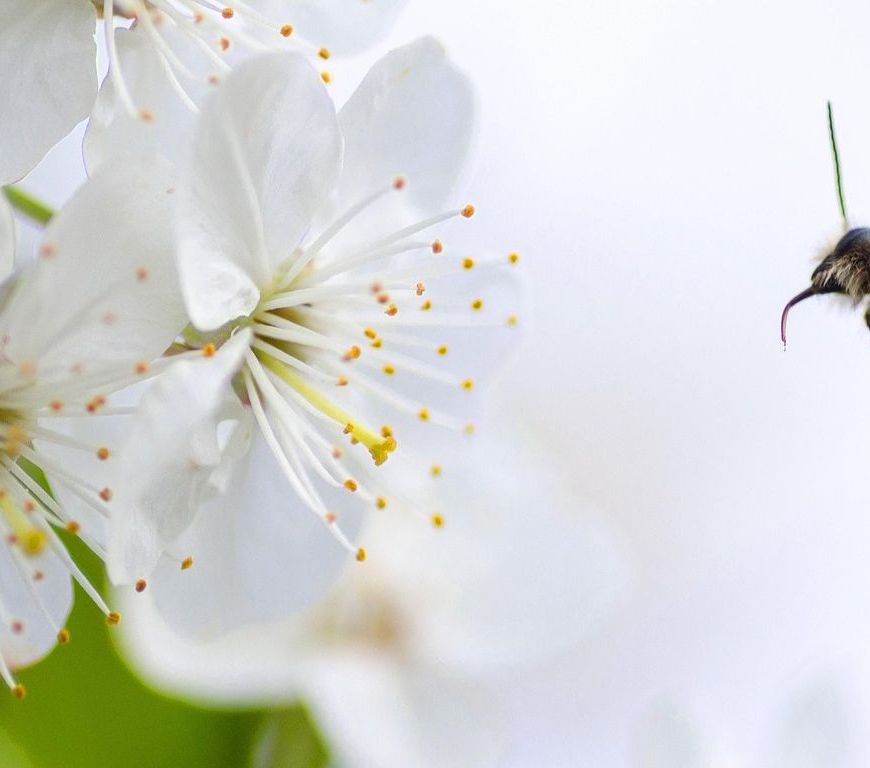
Kaixuan Pan: Dutch landscapes have lost insect-pollinated plants over the past 87  years

Shortlisted for the 2024 Southwood Prize Kaixuan Pan discusses recent research which assessed the changes in occurrences of plants pollinated by different modes, and explored the persistence of the observed changes under different environmental conditions. About the research Overview Our paper explores how plant communities in the Netherlands have changed over the past 87 years. By analyzing historical and contemporary vegetation data, we examined how … Continue reading Kaixuan Pan: Dutch landscapes have lost insect-pollinated plants over the past 87  years

Kristy Ferraro: Quantifying nutrient losses from deer culling practices in Scotland

Shortlisted for the Georgina Mace Prize 2024 Kristy Ferraro shares insights into her team’s study researching how removing deer carcasses during the culling process can negatively impact ecosystems. About the Research Overview Our study quantifies a largely overlooked consequence of Scotland’s widespread deer culling practices—the loss of essential elements from ecosystems due to carcass removal. While deer management is a critical tool for ecosystem recovery … Continue reading Kristy Ferraro: Quantifying nutrient losses from deer culling practices in Scotland

Kylie Soanes: Do wildlife crossing structures mitigate the barrier effect of roads on animal movement?

Shortlisted for the 2024 Southwood Prize Kylie Soanes details how, alongside colleagues, they analysed 313 studies to determine whether wildlife crossing structures mitigate the barrier effect of roads on wildlife movement. About the research Overview Wildlife crossing structures are a common tool to help animals cross roads safely. While there’s clear evidence that these structures are used by wildlife, we wanted to dig deeper into … Continue reading Kylie Soanes: Do wildlife crossing structures mitigate the barrier effect of roads on animal movement?

Lijun Chen: Integrating variation in bacterial-fungal co-occurrence network with soil carbon dynamics

Shortlisted for the 2024 Southwood Prize Lijun Chen explores how bacterial-fungal interactions mediate soil organic carbon dynamics in the context of artificial forest ecosystems. About the research Overview Eucalyptus is one of the most widely planted tree species worldwide. It has been demostrated that long-term short-rotation practices of eucalyptus induced to declining of soil organic carbon content and ecosystem services capacity. Exploring the patterns of … Continue reading Lijun Chen: Integrating variation in bacterial-fungal co-occurrence network with soil carbon dynamics

Early Career Researcher Reviewer Prize: Journal of Applied Ecology

As part of our celebration of Peer Review Week 2024, Journal of Applied Ecology is reflecting on the launch of the Early Career Researcher Reviewer Prize. How did the idea come about? The act of peer review (academic work being evaluated by others in the same field) is crucial to the research process. It is integral in helping to ensure diligence, determine originality, and improve … Continue reading Early Career Researcher Reviewer Prize: Journal of Applied Ecology

ECR Journeys: remote sensing in forest restoration

This month, The Applied Ecologist is amplifying the voice of early career ecologists from around the world working in the field of applied ecology to help inspire the next generation. In this post, Fellice Catelo, a PhD student at the University of the Sunshine Coast, Australia shares her story. My background I’m pretty easy and chill! In my free time, I watch horror/thriller films and … Continue reading ECR Journeys: remote sensing in forest restoration

ECR Journeys: Coding for forest conservation

This month, The Applied Ecologist is amplifying the voice of early career ecologists from around the world working in the field of applied ecology to help inspire the next generation. In this post, Abby Williams shares her story. My background I love spending as much time outdoors as I possibly can, whether that’s hiking, wild swimming, cycling or running. I’m also interested in local wildlife … Continue reading ECR Journeys: Coding for forest conservation

Associate Editor Mentoring: 2025 applications now open!

Are you looking to learn more about the peer review process through hands-on experience? Are you less than five years post-PhD and live in/are from the Global South? Why not consider applying for Journal of Applied Ecology’s 2025 mentoring scheme! What is the mentoring scheme? Since 2015, Journal of Applied Ecology has welcomed a small group of mentees with minimum editorial experience each year. This voluntary two-year … Continue reading Associate Editor Mentoring: 2025 applications now open!