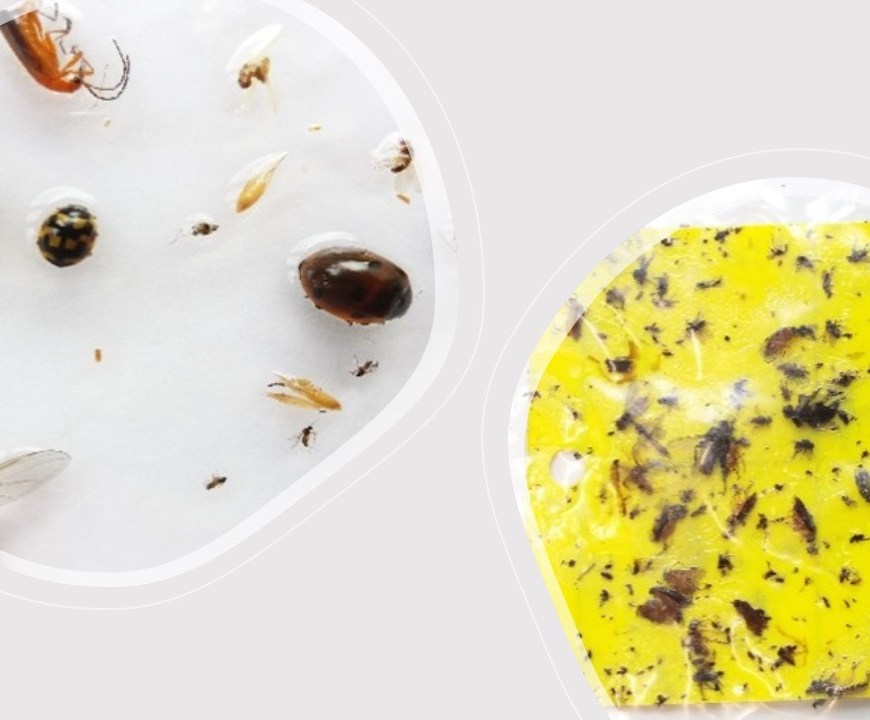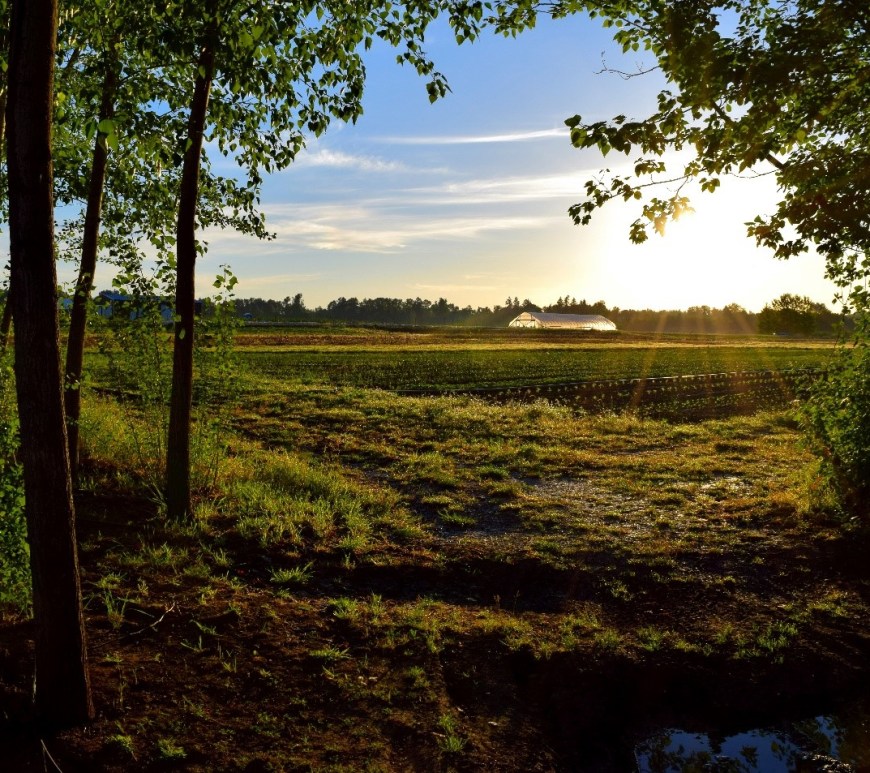
The landscape of fear in cattle farms? How the presence of barn swallow influences the activity of pest flies

Authors of a research article recently published in Journal of Applied Ecology talk us through how barn swallows are effective biological control agents for lowering pest fly activity in livestock farms. Preamble: Farmland birds, filth flies and the landscape of fear Birds are key suppliers of crucial ecosystem services worldwide, and insectivorous species can consume up to 400 – 500 million tons of prey each … Continue reading The landscape of fear in cattle farms? How the presence of barn swallow influences the activity of pest flies

Restoring Landscapes: Cairngorms Connect – a wild landscape in the making

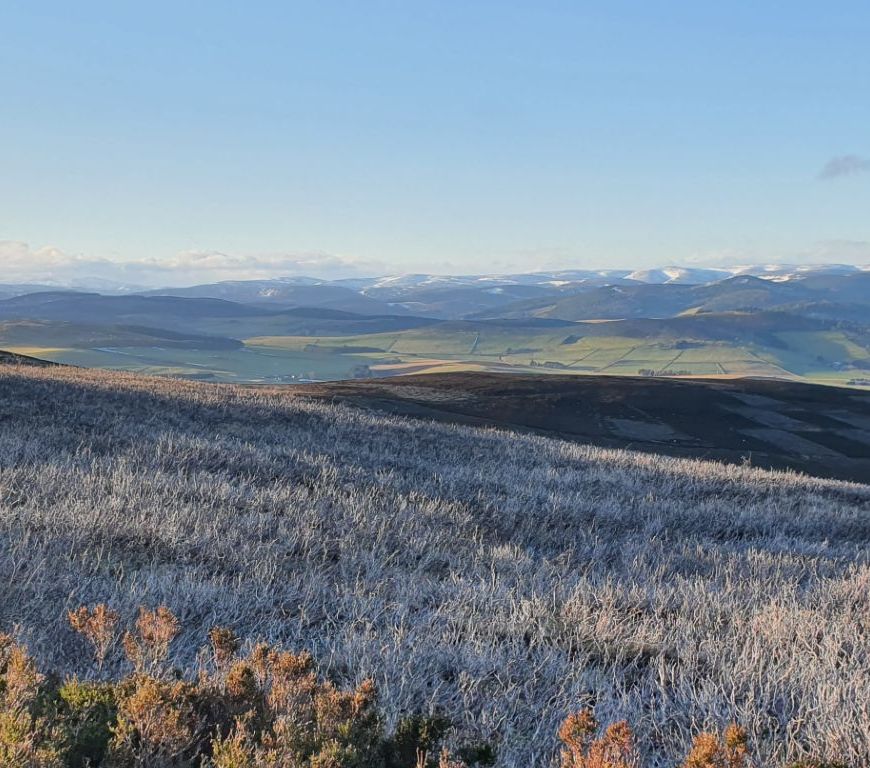
In this new series, we hope to promote knowledge exchange in restoration and invite restoration practitioners to share their stories: successes, failures, implementation of learnings from other places and anything in between! To kick off the series, Sydney Henderson and Dr Pip Gullett share their story from Cairngorms Connect. Cairngorms Connect is a partnership of neighbouring land managers, committed to a bold and ambitious 200-year … Continue reading Restoring Landscapes: Cairngorms Connect – a wild landscape in the making

Strengthening skills for sustainability: Implications for ecology and ecologists

The Centre for Environment and Sustainability (CES) and the Institute for Sustainability at the University of Surrey were delighted that this years’ Annual Roland Clift Lecture was given by Gary Kass. In this special post, Gary Kass shares his insights on the capacities and competencies needed for environment and sustainability. Until October 2023, Gary Kass was Deputy Director for Foresight and Innovation at Natural England… Continue reading Strengthening skills for sustainability: Implications for ecology and ecologists

Yoseph Araya: Stepping up – towards diversifying learning and participation in natural spaces for all

For Black History Month, the British Ecological Society (BES) journals are celebrating the work of Black ecologists from around the world and sharing their stories. The theme for UK Black History Month this year is Time for Change: Action Not Words. Yoseph Araya—a researcher at The Open University—joins us again, following his 2020 blogpost, to share his story and recent journey. How did you get … Continue reading Yoseph Araya: Stepping up – towards diversifying learning and participation in natural spaces for all

Livestock grazing promotes ecosystem multifunctionality of a coastal salt marsh

Each year, Journal of Applied Ecology awards the Southwood Prize to the best paper in the journal by an author at the start of their career. In this post, Pei Zhang (Sichuan University) discusses her shortlisted paper which aimed to evaluate the ecological effects of livestock grazing and tidal flooding on salt marshes in the high and middle marsh zones of the Yangtze River Estuary, China. As … Continue reading Livestock grazing promotes ecosystem multifunctionality of a coastal salt marsh

Beneficial arthropod abundance assessed by sweep-netting is negatively associated with landscape-wide insecticide use

In a new study, Bakker, Bianchi and van der Werf assess how the use of insecticides and semi-natural landscapes impact beneficial arthropods in the Netherlands. Beneficial arthropods, like predators, parasitoids and pollinators, provide important ecosystem services such as biological pest control and pollination, and are therefore vital for ecosystem health and global food production. However, concerns have risen on the widespread decline of arthropods — … Continue reading Beneficial arthropod abundance assessed by sweep-netting is negatively associated with landscape-wide insecticide use

Bird-friendly agriculture: finding the right balance to benefit birds and farmers

Promoting birds in agroecosystems is contentious. In their latest research, Olivia Smith and colleagues demonstrate how farmers can use landscape and farm diversification practices to harness ecosystem services from birds while reducing negative trade offs. Birds play many roles in human societies, including as consumers of crops and pests, carriers of pathogens and beloved icons. Consider, for example, the nearly globally distributed barn swallow. The … Continue reading Bird-friendly agriculture: finding the right balance to benefit birds and farmers

Una mayor cobertura forestal y matrices menos contrastantes mejoran el servicio de remoción de carroña por insectos carroñeros en paisajes tropicales

This post is also available in English (here) and Portuguese (here). Animales muertos es algo que mucha gente prefiere evitar: son visualmente desagradable, huelen realmente… simplemente son espantosos. Sin embargo, los animales involucrados en la descomposición de la carroña juegan un papel clave en la funcionalidad del ecosistema. Animales carroñeros (como buitres, algunos mamíferos o insectos) previene la acumulación de cadáveres, facilitan la distribución y … Continue reading Una mayor cobertura forestal y matrices menos contrastantes mejoran el servicio de remoción de carroña por insectos carroñeros en paisajes tropicales

Maior cobertura florestal e matrizes menos contrastantes melhoram o serviço de remoção de carniça por insetos necrófagos em paisagens tropicais

This post is also available in English (here) and Spanish (here). Carniça é algo que as pessoas evitam: é algo visualmente desagradável, cheira muito mal… é simplesmente horrível. Entretanto, os animais envolvidos na decomposição da carniça tem um papel chave na funcionalidade do ecossistema. Animais necrófagos (i.e., que se alimentam de carniça) como os urubús, alguns mamíferos e insetos, previnem a acumulação de carcaças, facilitam … Continue reading Maior cobertura florestal e matrizes menos contrastantes melhoram o serviço de remoção de carniça por insetos necrófagos em paisagens tropicais

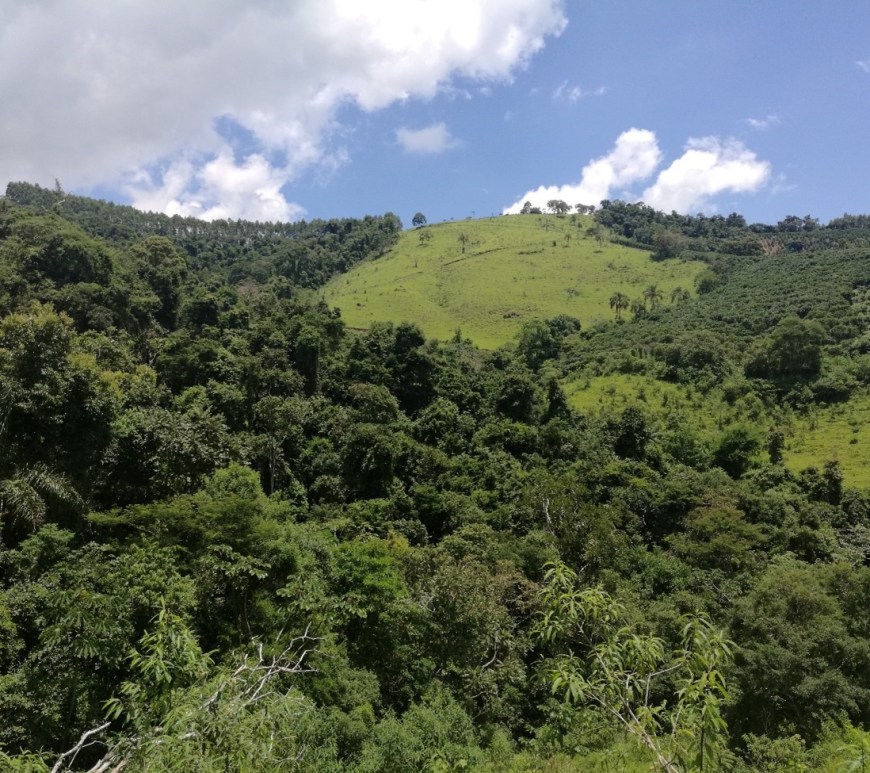
Higher forest cover and less contrasting matrices improve carrion removal service by scavenger insects in tropical landscapes

This post is also available in Spanish (here) and Portuguese (here) In their latest research, Alvarado-Montero et al. assess the impact of landscape structure and matrix contrast on carrion removal by scavenger insects, an often overlooked but crucial ecosystem service which is important for nutrient cycling and disease control. Carrion is something that many people choose to avoid. However, animals involved in carrion decomposition play … Continue reading Higher forest cover and less contrasting matrices improve carrion removal service by scavenger insects in tropical landscapes