Georgina Mace Prize 2023: Winner announced for early career researcher award

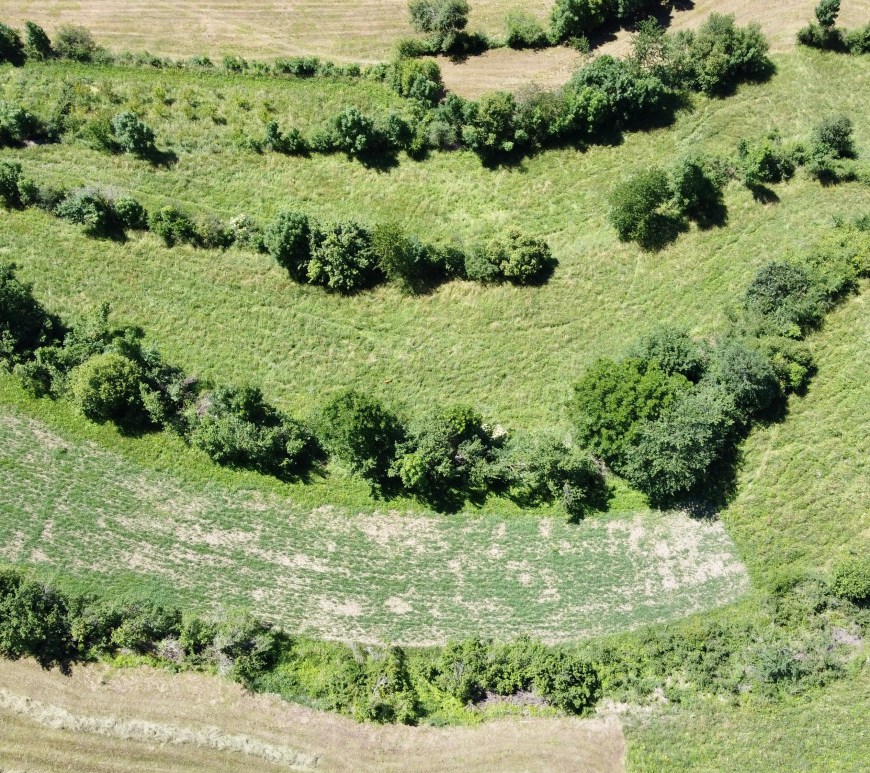
We’re excited to announce Melanie Dickie as the winner of the 2023 Georgina Mace Prize, celebrating the best article in the journal by an author at the start of their career. Winner: Melanie Dickie Article: Applying remote sensing for large-landscape problems: Inventorying and tracking habitat recovery for a broadly distributed Species At Risk About the research For many species at risk, population declines can be traced … Continue reading Georgina Mace Prize 2023: Winner announced for early career researcher award

Drone-induced flight initiation distances for shorebirds in mixed-species flocks

Joshua Wilson discusses recent research at Moreton Bay, Australia which saw Wilson and colleagues conduct over 200 drone approaches of shorebird flocks to measure how the birds respond to drones. Particular attention is paid to the critically endangered Eastern Curlew. Stress responses Imagine you’re resting in your bed when, out of the corner of your eye, you see something scuttling along the roof towards you. … Continue reading Drone-induced flight initiation distances for shorebirds in mixed-species flocks

Expansion of hydropower plants drives the risk of extinction of an imperiled and endemic freshwater turtle

André Luis Regolin talks us through the latest research from themselves and colleagues on conserving the rare Williams’ side-necked turtle. The study uses a new methodological approach to evaluate how current and future scenarios of hydroelectric generation affect the species’ distribution. The problem The Williams’ side-necked turtle (Phrynops williamsi) was only described to science in 1983 and since then little attention and research efforts have … Continue reading Expansion of hydropower plants drives the risk of extinction of an imperiled and endemic freshwater turtle

Chronic declines and Red Listing: Are hazel dormice Endangered?

Shortlisted for the Georgina Mace Prize 2023 Ellie Scopes describe her team’s latest article re-assessing the extinction risk and conservation status of hazel dormice (Muscardinus avellanarius) using long-term monitoring data. Threats assessments and conservation priority often become entangled, despite different aims. Whilst threat assessments focus on the proximity of the species to extinction, usually with objective guidelines, conservation priority is more subjective and will involve … Continue reading Chronic declines and Red Listing: Are hazel dormice Endangered?

Optimizing disease management in an endangered carnivore

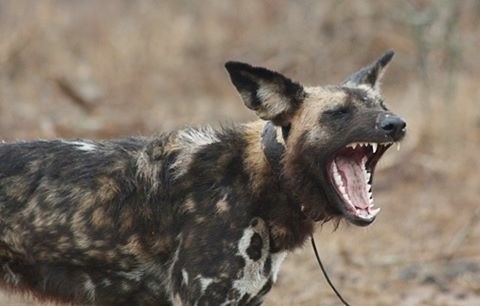
In their new article, Gilbertson et al. discuss how combining preventative and reactive disease interventions synergistically reduces disease-induced mortalities in a simulated carnivore population, whilst at the same time preventing unexpected negative impacts associated with inadequate vaccination. As the COVID-19 pandemic has demonstrated, controlling outbreaks of infectious diseases is incredibly challenging—and that is no less true in wildlife. In fact, wildlife management faces significant hurdles … Continue reading Optimizing disease management in an endangered carnivore

Habitat selection modelling reveals sea turtles use protected areas in greater proportion to their availability

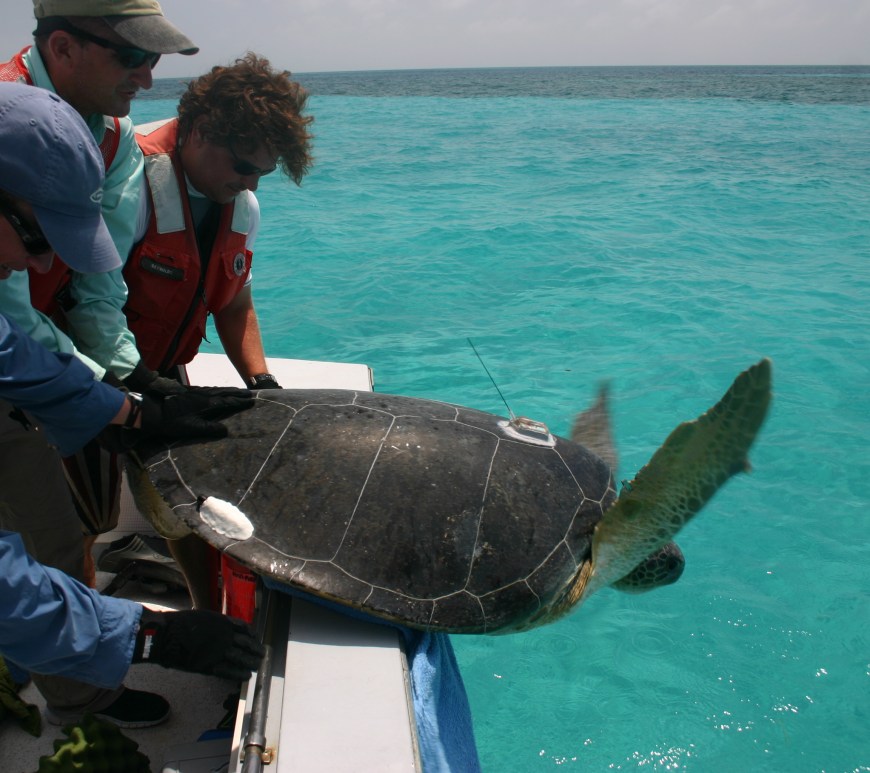
Marine Protected Areas (MPAs) are designated regions to help conserve wildlife but how are they used by the species they protect? In their latest research, Kelsey Roberts and colleagues evaluate the use of these protected areas by sea turtles to help inform better design and management of MPAs. Scientists agree that area-based conservation efforts are key to preserving biodiversity and ecosystems, as well as ocean-based … Continue reading Habitat selection modelling reveals sea turtles use protected areas in greater proportion to their availability

Predator and scavenger movements as opportunities for pathogen spread among endangered seabirds

Infectious diseases have recently been acknowledged as an important threat for wild populations, notably seabirds. In order to implement efficient surveillance and management programmes, it is critical to look beyond the sick individuals to identify the individuals or species involved in cryptic epidemiological processes, such as pathogen spread. Amandine Gamble et al. summarise their recent research on the potential role of predators and scavengers in … Continue reading Predator and scavenger movements as opportunities for pathogen spread among endangered seabirds

Cover stories: protecting the Sumatran rhino

With approximately 100 individuals left in the wild, the Sumatran rhinoceros (Dicerorhinus sumatrensis) is one of four charismatic megafauna species in Sumatra used as flagship and umbrella species for conservation. Our cover image photographer for issue 56:5, Marsya Sibarani tells us about her interaction with this endangered species. In 2015, I got the chance to visit the Sumatran Rhino Sanctuary (SRS) in Way Kambas National … Continue reading Cover stories: protecting the Sumatran rhino

GPS and satellite tags as surveillance devices to detect animal deaths – including the illegal killing of protected species

Fabrizio Sergio explains how the development of biologging tools can help protect some of our most vulnerable species.  Detecting animal casualties is often a major goal for wildlife biologists and managers. Conservationists may need to know which mortality agents are driving the decline of an endangered species, while game managers may want to estimate mortality causes as precisely as possible in order to plan sustainable … Continue reading GPS and satellite tags as surveillance devices to detect animal deaths – including the illegal killing of protected species

Issue 55:5

Read the highlights from our September issue. Value of information: when to learn and when to manage in conservation This issue’s Editor’s Choice article Better many small than a few large: how landscape configuration affects arthropod communities in rice Can splitting agricultural ecosystems help reduce yield losses for rice farmers? Mejor muchos pequeños que pocos grandes: sobre como la configuración del paisaje afecta las comunidades … Continue reading Issue 55:5