Human-wildlife coexistence: The need for evidence-based solutions

Chen Huang provides an overview of their investigation into human-wildlife conflict, and explains how research gaps can be turned into opportunities. Humans and wildlife share the planet, often in proximity. In many parts of the world, villagers see elephants, lions, dolphins, and seabirds as part of their daily lives—much like city dwellers spot starlings feeding in a park. While wildlife is culturally valuable and a … Continue reading Human-wildlife coexistence: The need for evidence-based solutions

Using management interventions to help at-risk butterflies in a changing climate

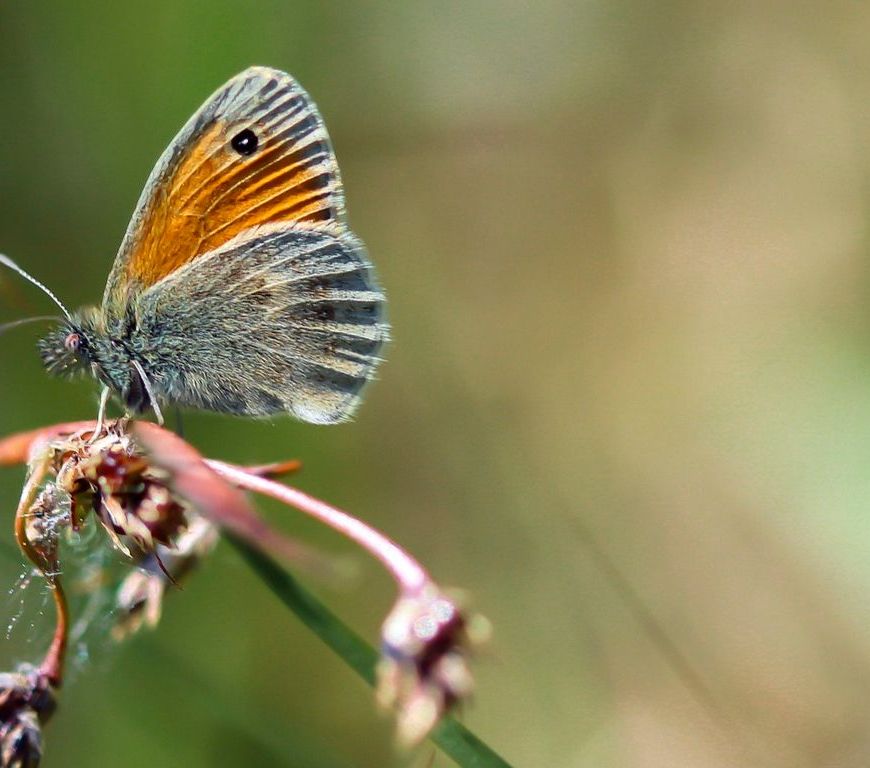
Author Cheryl Schultz talks us through a new study which highlights the importance of active management interventions in helping to buffer effects of climate change, and helping to improve population trends for at-risk butterflies. Where did the idea come from? With extensive coverage in academic and popular publications, the widespread decline of butterflies is well-known. Butterflies face a triumvirate of threats: the cumulative effects of … Continue reading Using management interventions to help at-risk butterflies in a changing climate

Does incorporating complexity into coastal engineering increase fish diversity along urban shorelines?

Authors of a recently published research article explain how, to enhance fish diversity, it is important to provide three-dimensional habitat architecture that incorporates a wide range of microhabitat sizes and types.  Habitat complexity Habitat complexity is a key driver of marine fish diversity and essential for determining structure and function of fish communities. Many fishes use benthic habitat features (e.g. holes, crevices, vertical reliefs, and … Continue reading Does incorporating complexity into coastal engineering increase fish diversity along urban shorelines?

Supporting butterflies within smallholding oil palm plantations

Martina Harianja discusses the latest research into butterfly assemblages detailing how, alongside colleagues, they recorded over 1200 butterflies across 27 different oil palm plantations. Findings suggest that replanting oil palm and choice of mono or polyculture had relatively few effects on butterflies. However, management for specific features in plantations could benefit butterfly assemblages. Continue reading Supporting butterflies within smallholding oil palm plantations

Menyokong rama-rama dalam ladang kelapa sawit pekebun kecil

Martina Harianja membincangkan penyelidikan terkini mengenai perhimpunan rama-rama yang memperincikan bagaimana, bersama rakan sekerja, mereka merekodkan lebih 1200 rama-rama di 27 ladang kelapa sawit yang berbeza. Penemuan menunjukkan bahawa penanaman semula kelapa sawit dan pilihan mono atau polikultur mempunyai sedikit kesan pada rama-rama. Walau bagaimanapun, pengurusan untuk ciri-ciri tertentu di ladang boleh memberi manfaat kepada pemasangan rama-rama. Continue reading Menyokong rama-rama dalam ladang kelapa sawit pekebun kecil

Mendukung kupu-kupu di perkebunan kelapa sawit milik petani kecil

Martina Harianja membahas penelitian terbaru tentang kumpulan kupu-kupu yang merinci bagaimana, bersama rekan-rekannya, mereka mencatat lebih dari 1200 kupu-kupu di 27 perkebunan kelapa sawit yang berbeda. Temuan menunjukkan bahwa peremajaan kelapa sawit dan pilihan mono atau polikultur memiliki efek yang relatif kecil pada kupu-kupu. Namun, manajemen untuk fitur spesifik di perkebunan dapat menguntungkan kumpulan kupu-kupu. Continue reading Mendukung kupu-kupu di perkebunan kelapa sawit milik petani kecil

Bed or breakfast? Roe deer balance food and safety according to crop phenology

Noa Rigoudy and co-authors talk us through their latest work, highlighting how behavioural adjustment may buffer the consequences of the reduction in natural habitats that accompanies intensification of agricultural production. This has implications for understanding how agricultural practices shape the food-safety trade-off of wildlife living in these highly modified landscapes. Wildlife in agroecosystems The life cycle of plants (i.e., their phenology) influences how food is … Continue reading Bed or breakfast? Roe deer balance food and safety according to crop phenology

Applying remote sensing techniques to wide-scale vegetation inventories

Feature image © InnoTech Alberta Originally posted and adapted from The Alberta Biodiversity Monitoring Institute Blog. Author Sydney Toni describes their latest study that explores a more cost-effective way of using remote sensing to better understand landscapes at larger scale for habitat monitoring and management. Ideally, the information we collect to manage wildlife habitat is many things: high-resolution, consistent and covering all areas of interest. The … Continue reading Applying remote sensing techniques to wide-scale vegetation inventories

Beste managementpraktijken om opbrengstverlies door ganzen te verminderen

Monique de Jager bespreekt recent onderzoek met collega’s dat probeert te begrijpen wat de meest kosteneffectieve manier is om gewasverlies als gevolg van grazende ganzen te verminderen. Na het uitvoeren van een model met verschillende begrazings- en schrikscenario’s, bleek dat de beste beheeroptie is om ganzen te laten grazen. Continue reading Beste managementpraktijken om opbrengstverlies door ganzen te verminderen

Best management practices to decrease goose-related yield loss

This blog post is also available in Dutch here. Monique de Jager discusses recent research with colleagues that seeks to understand the most cost-effective way of decreasing crop loss as a result of grazing geese. After running a model with several different grazing and scaring scenarios, it was found that the best management option is to leave geese to graze. Introduction The rebound of the … Continue reading Best management practices to decrease goose-related yield loss