SolBeePop: A model of solitary bee populations in agricultural landscapes

Amelie Schmolke discusses recent work, conducted alongside colleagues, which involved the development of a trait-based model for solitary bees. Schmolke et al were able to model management scenarios and possible outcomes for bee species with incomplete trait data. An introduction to bees When thinking about bees, people often think of the honey bee. But there are over 20,000 species of bees in the world, most … Continue reading SolBeePop: A model of solitary bee populations in agricultural landscapes

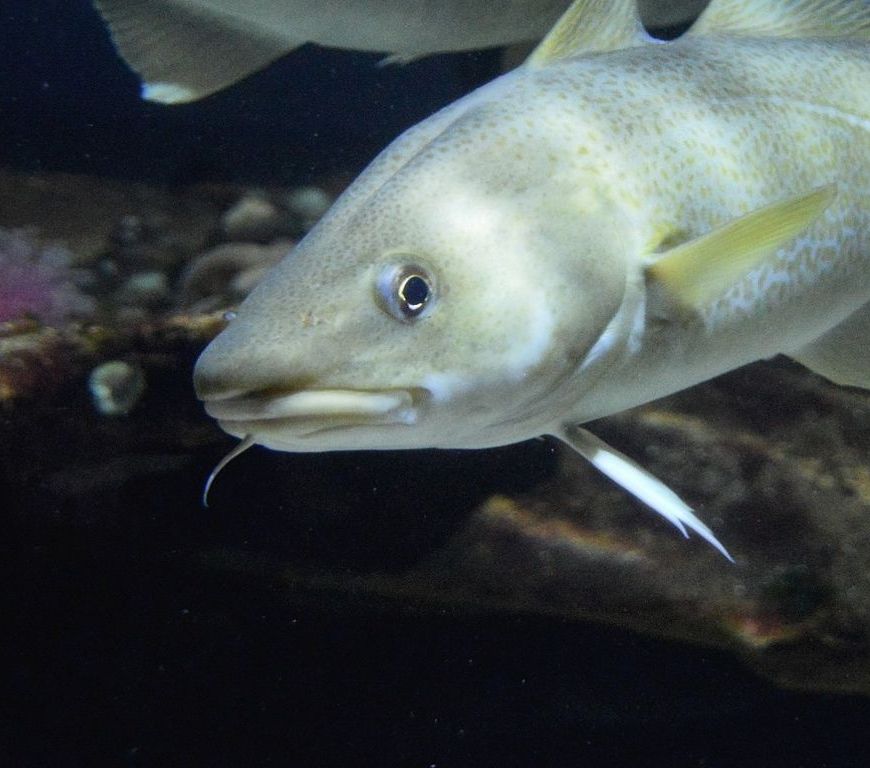
Editor’s Choice 60:10 Can management measures be used to reduce the impact of extreme events in the early life of fish?

Author Lucie Buttay summarises Journal of Applied Ecology’s October’s Editor’s Choice research article. Conducted with colleagues, this study used a life cycle model to simulate ‘what if’ scenarios around Northeast Arctic cod eggs and larvae. Extreme climatic events, (e.g. heat waves and storms) are becoming more frequent and intense, and on top of that, the ever-growing development of human activities at sea, entails an increasing … Continue reading Editor’s Choice 60:10 Can management measures be used to reduce the impact of extreme events in the early life of fish?

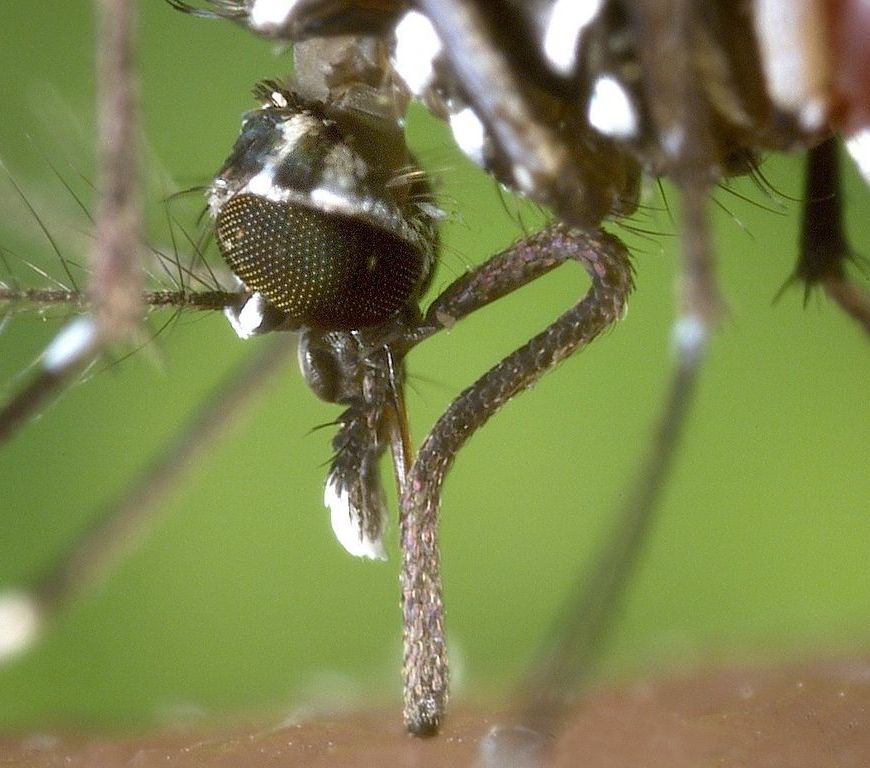
Estimating when the Tiger mosquito will invade a country to prevent the exposure to vector-borne diseases

Sandra Oliveira discusses new research, conducted with colleagues, that saw the development of a model to predict the possible future spread of the invasive Tiger mosquito. The Tiger mosquito (Aedes albopictus) is a highly invasive species that, in the last 40 years, has colonized all continents except Antarctica. Why do we need to worry about it? Because this mosquito can carry several viruses and spread … Continue reading Estimating when the Tiger mosquito will invade a country to prevent the exposure to vector-borne diseases

Expansion of hydropower plants drives the risk of extinction of an imperiled and endemic freshwater turtle

André Luis Regolin talks us through the latest research from themselves and colleagues on conserving the rare Williams’ side-necked turtle. The study uses a new methodological approach to evaluate how current and future scenarios of hydroelectric generation affect the species’ distribution. The problem The Williams’ side-necked turtle (Phrynops williamsi) was only described to science in 1983 and since then little attention and research efforts have … Continue reading Expansion of hydropower plants drives the risk of extinction of an imperiled and endemic freshwater turtle

Mahmood Soofi: Quantifying the relationship between prey density, livestock and illegal killing of leopards

Shortlisted for the Southwood Prize 2022 Mahmood Soofi talks us through his research project which saw him and colleagues use ranger-collected data on illegal leopard killings in Iran and an N-mixture model to quantify relationships between livestock, prey density and illegal killing. Overexploitation and carnivores Overexploitation is one of the major threats to biodiversity in many parts of the world, which is driving many species … Continue reading Mahmood Soofi: Quantifying the relationship between prey density, livestock and illegal killing of leopards

The amorphous, heterogeneous spatial spread of Wolbachia

Penelope A. Hancock presents recently published work on ‘Predicting the spatial dynamics of Wolbachia infections in Aedes aegypti arbovirus vector populations in heterogeneous landscapes‘. Uncertainty surrounding density-dependent mosquito population growth rates prevents us from predicting the outcome of mosquito control interventions. A timely example is the introduction of Wolbachia bacterial infections into wild Aedes aegypti populations, the major vector of the dengue, Zika and chikungunya … Continue reading The amorphous, heterogeneous spatial spread of Wolbachia