Seals avoid an operating tidal turbine

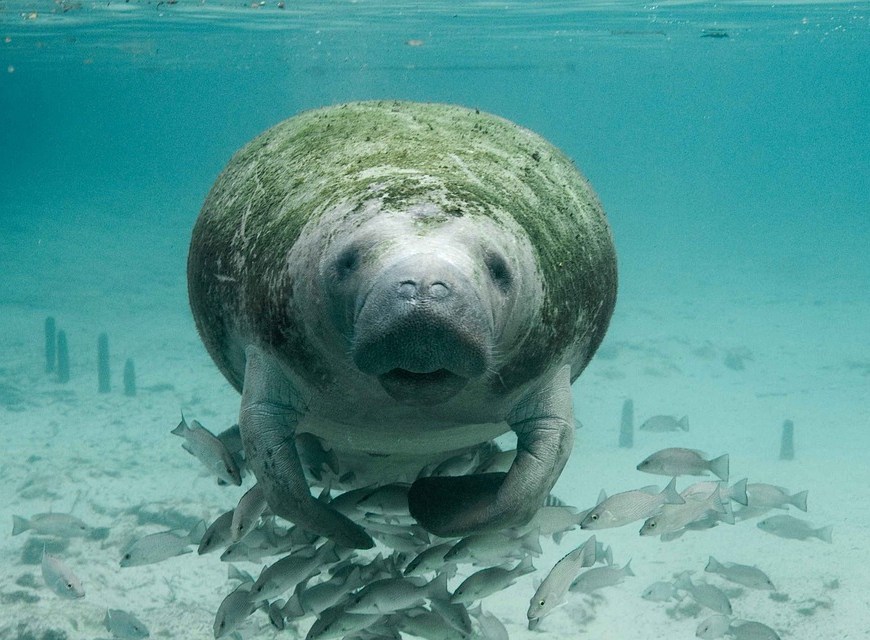
Authors of a recently published study discuss how their research discovered that seals exhibit avoidance of turbines during operation. This finding is important for industry developers and regulators, as lower numbers of seals close to the turbine reduces the potential for fatal collisions and injuries. The rise of the tidal energy industry The marine renewable energy sector is growing rapidly. Offshore wind is well established, … Continue reading Seals avoid an operating tidal turbine

Lucien Besnard: Mercury isotope clocks predict coastal residency and migration timing of hammerhead sharks

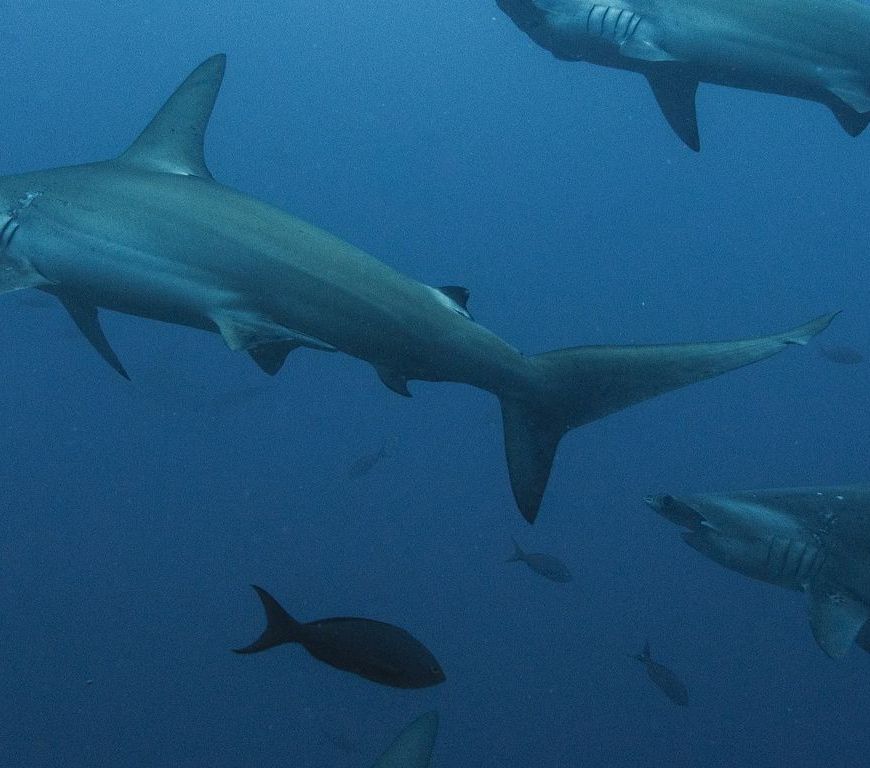
Shortlisted for the 2023 Southwood Prize Lucien Besnard reflects on how he and colleagues used mercury isotopes, within the framework of isotopic clocks, to provide a more precise assessment of hammerhead shark movement. As a result, this method may be used as a complementary tool for stock management through predicting the timing of animal migration – a key aspect in the conservation of marine taxa. … Continue reading Lucien Besnard: Mercury isotope clocks predict coastal residency and migration timing of hammerhead sharks

Predicting dispersal and conflict risk for wolf recolonisation in Colorado

Mark Ditmer discusses his and colleagues’ new research which aims to predict wolf movement and potential conflict hotspots following the state of Colorado’s decision to reintroduce gray wolves. This data may be used to offer practical, actionable recommendations for decision-makers. Animal movement and conflict risk Species’ ranges are shifting – and accurately predicting the way species disperse in novel areas can greatly enhance conservation efforts. … Continue reading Predicting dispersal and conflict risk for wolf recolonisation in Colorado

Behind the Cover 1:1 – Q&A with Alex Braczkowski

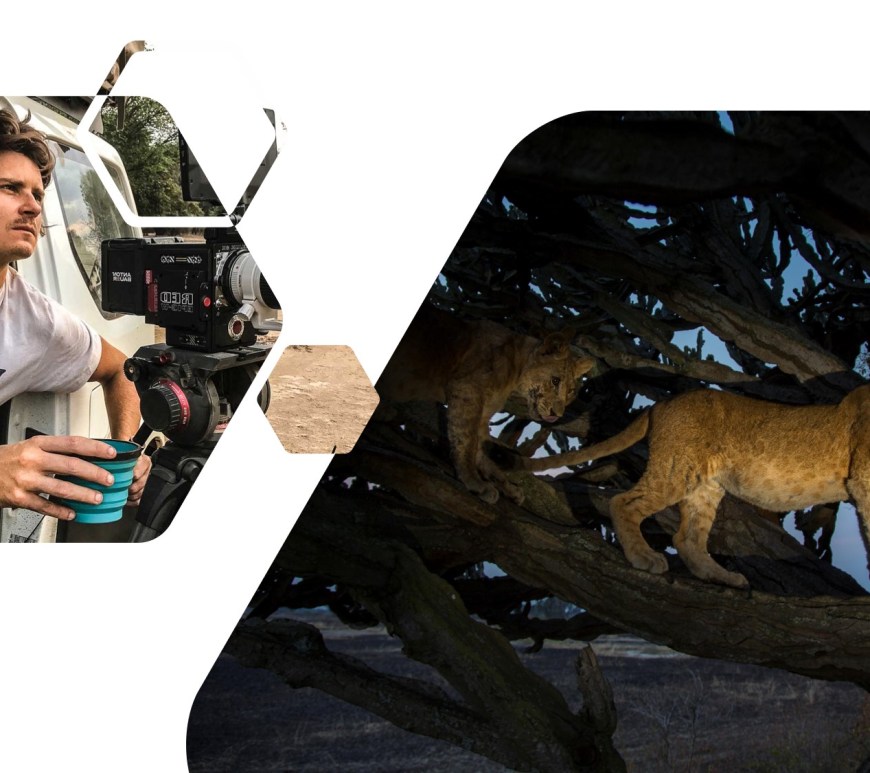
In this Q&A, we find out more about the author and research: “Detecting early warnings of pressure on an African lion (Panthera leo) population in the Queen Elizabeth Conservation Area, Uganda” behind the brilliant cover image of our inaugural issue. The research What’s your article about? Our article is about the status of African lions in western Uganda and how a recently developed population survey technique … Continue reading Behind the Cover 1:1 – Q&A with Alex Braczkowski

How to prioritise management when human and natural worlds collide

Udell et al. recently published a new way to prioritise and allocate speed restriction zones that will best protect wildlife from boat collisions. Associate Editor, Jonathan Rhodes explains how this research could be applied to a range of conservation efforts around biodiversity and human movements. Many threats to species of conservation concern arise due to collisions or interactions between species and people or between species … Continue reading How to prioritise management when human and natural worlds collide

Optimizing the positioning of wildlife crossing structures for African elephants in Northern Kenya

Wildlife crossing structures are considered critical for animal movement, but how  do you choose where best to build them? Guillaume Bastille-Rousseau presents tools for planning crossing structures and the recently published article, Optimizing the positioning of wildlife crossing structures using GPS telemetry. Linear infrastructure development, including transportation and economic corridors, is considered to have outsized ecological impacts relative to their small physical footprints. In sub-Saharan Africa, … Continue reading Optimizing the positioning of wildlife crossing structures for African elephants in Northern Kenya

If you build it, will it work?

Following the recent article, Evaluating the success of wildlife crossing structures using genetic approaches and an experimental design: Lessons from a gliding mammal by Kylie Soanes et al., Associate Editor, Yolanda Wiersma explores the world of wildlife crossing structures. Large-scale restoration projects represent human optimism in the face of anthropogenic change. In response to the negative effects of human activities on habitat loss and fragmentation, … Continue reading If you build it, will it work?