The landscape of fear in cattle farms? How the presence of barn swallow influences the activity of pest flies

Authors of a research article recently published in Journal of Applied Ecology talk us through how barn swallows are effective biological control agents for lowering pest fly activity in livestock farms. Preamble: Farmland birds, filth flies and the landscape of fear Birds are key suppliers of crucial ecosystem services worldwide, and insectivorous species can consume up to 400 – 500 million tons of prey each … Continue reading The landscape of fear in cattle farms? How the presence of barn swallow influences the activity of pest flies
Rumslig och tidsmässig isolering av rapsfält minskar förekomsten av skadeinsekter och skador på grödan

Det här blogginlägget finns även på engelska här.
Fabian Boetzl berättar för oss om sin och sina kollegors forskning om landskapsbaserade strategier för att minska trycket från skadeinsekter och skador på grödor. Continue reading Rumslig och tidsmässig isolering av rapsfält minskar förekomsten av skadeinsekter och skador på grödan

Spatiotemporal isolation of oilseed rape fields reduces insect pest pressure and crop damage

This blog post is also available in Swedish here. Fabian Boetzl talks us through his and his colleagues’ new research on landscape-based strategies to reduce insect pest pressure and crop damage. The problem Systemic neonicotinoid insecticides are detrimental to a wide range of beneficial biodiversity, with wild bees as the most prominent example. Due to these observed negative side-effects, systemic neonicotinoid insecticides have been banned … Continue reading Spatiotemporal isolation of oilseed rape fields reduces insect pest pressure and crop damage

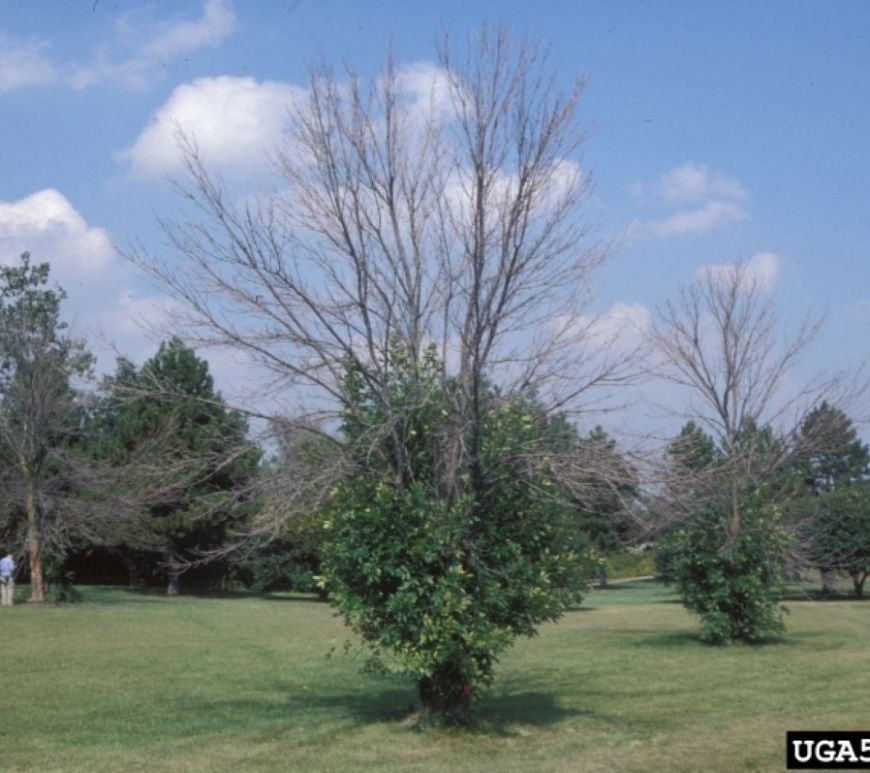
Hotspots of pest-induced US urban tree death: culprits, impacted tree species, and spatial hotspots

In their latest research Emma J. Hudgins, Frank H. Koch, Mark J. Ambrose, and Brian Leung, discuss the economic implications of pest-induced tree deaths in the US. Urban trees are key to the wellbeing of city dwellers but are at high risk of mortality from insect pests, due to having high rates of exposure to invasive species as enabled by trade, travel, and other human … Continue reading Hotspots of pest-induced US urban tree death: culprits, impacted tree species, and spatial hotspots

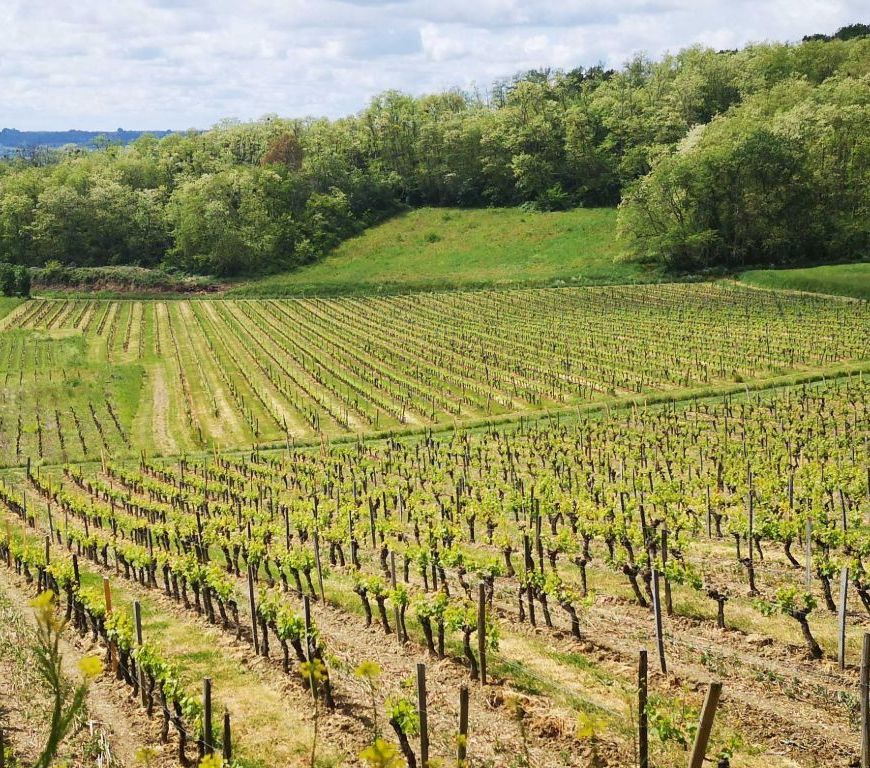
Diversifying plant communities in vineyards to increase natural pest control services

Léa Beaumelle and Adrien Rusch introduce their team’s latest research exploring different landscape contexts to identify ways to best foster natural pest control on agricultural lands. Insects and arthropods play key roles in agricultural systems. Arthropods comprise pests, such as aphids or caterpillars, but also beneficial organisms: predators such as spiders and ground beetles (natural enemies) prey upon insect pests and limit pest populations. As … Continue reading Diversifying plant communities in vineyards to increase natural pest control services

Gypsy moths: Understanding the impact of a dreadful forest pest

In their latest Registered Report, Benjamin Leroy and colleagues outline their methods to review the pathways in which gypsy moth outbreaks, and their subsequent treatment, affect forest ecosystems. To find out more about Registered Reports, read our blog post here. The gypsy moth is a species native to Eurasia and widely considered as one of the most severe pests of temperate forests. The exceptionally voracious … Continue reading Gypsy moths: Understanding the impact of a dreadful forest pest

A new way to reduce the introduction of exotic pests and diseases in trees into the UK

New research highlights the need for policies that encourage nurseries to produce home-grown plants and thus reduce the risk of importing tree pests and diseases that threaten the UK’s woodland. Author of Variability in commercial demand for tree saplings affects the probability of introducing exotic forest diseases, Vasthi Alonso Chavez and British Ecological Society Policy Manager, Brendan Costelloe explain more. A Spanish version of this … Continue reading A new way to reduce the introduction of exotic pests and diseases in trees into the UK

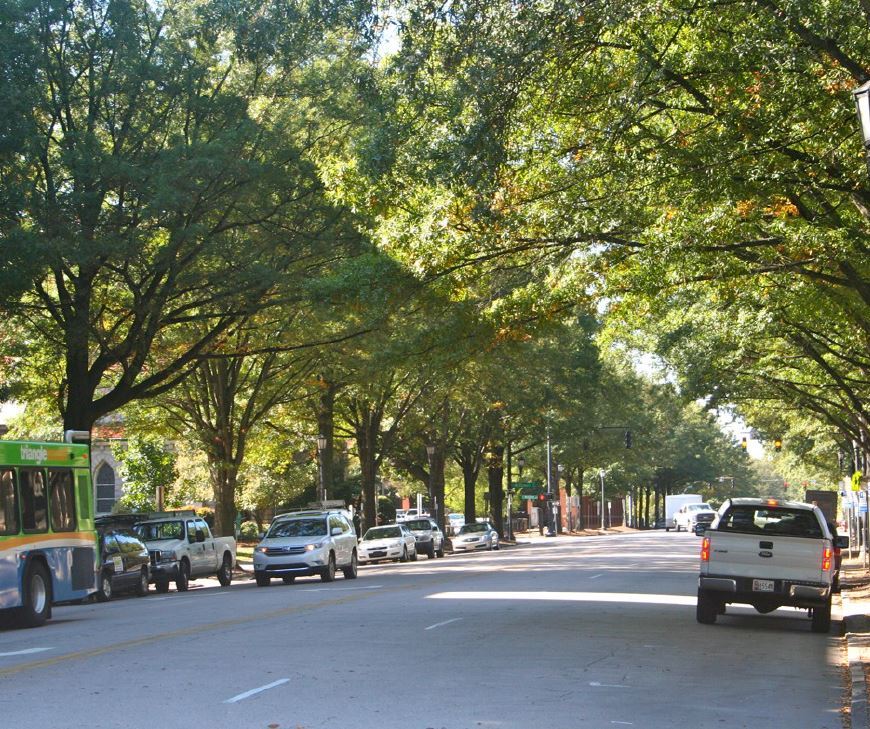
How to manage city trees in a changing climate?

Without sufficient water, urban trees are susceptible to other stressors, including insect pests. Associate Editor, Pieter De Frenne (Ghent University, Belgium) explains how Meineke and Frank’s recent paper, Water availability drives urban tree growth responses to herbivory and warming, provides key research into the management of a vital ecosystem service. Cities are hot. Not only to taste the best latte macchiato in the fanciest coffee … Continue reading How to manage city trees in a changing climate?

Warming, insect pests and water stress combine to reduce tree growth in the city

Emily Meineke comments on new research, Water availability drives urban tree growth responses to herbivory and warming  published today in Journal of Applied Ecology. Cities are getting warmer. This is due in part to global climate change. The more important factor for now, though, is the urban heat island effect; local warming in cities caused by sidewalks, asphalt, and reduced tree cover. In short, areas with less … Continue reading Warming, insect pests and water stress combine to reduce tree growth in the city

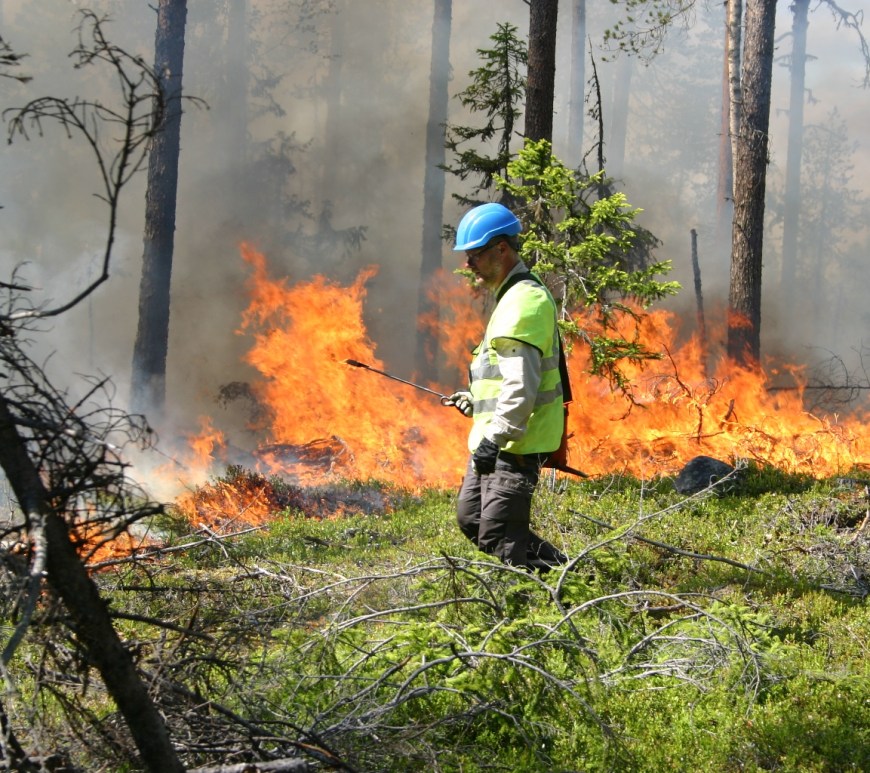
PODCAST: Forest restoration as a double-edged sword

In this podcast Simon Kärvemo discusses his paper ‘Forest restoration as a double-edged sword: the conflict between biodiversity conservation and pest control’ published today in Journal of Applied Ecology. Forest fires create open patches and dead wood – both factors that favour biodiversity, but using fire as a restoration tool is both risky and requires a lot of work and planning. What if we could … Continue reading PODCAST: Forest restoration as a double-edged sword