Using management interventions to help at-risk butterflies in a changing climate

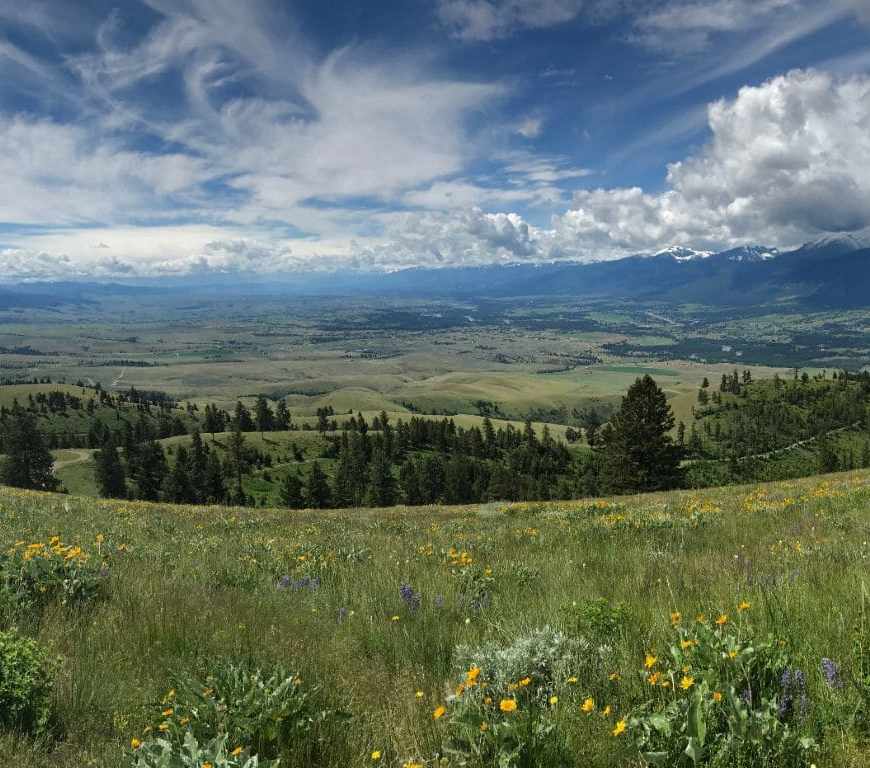
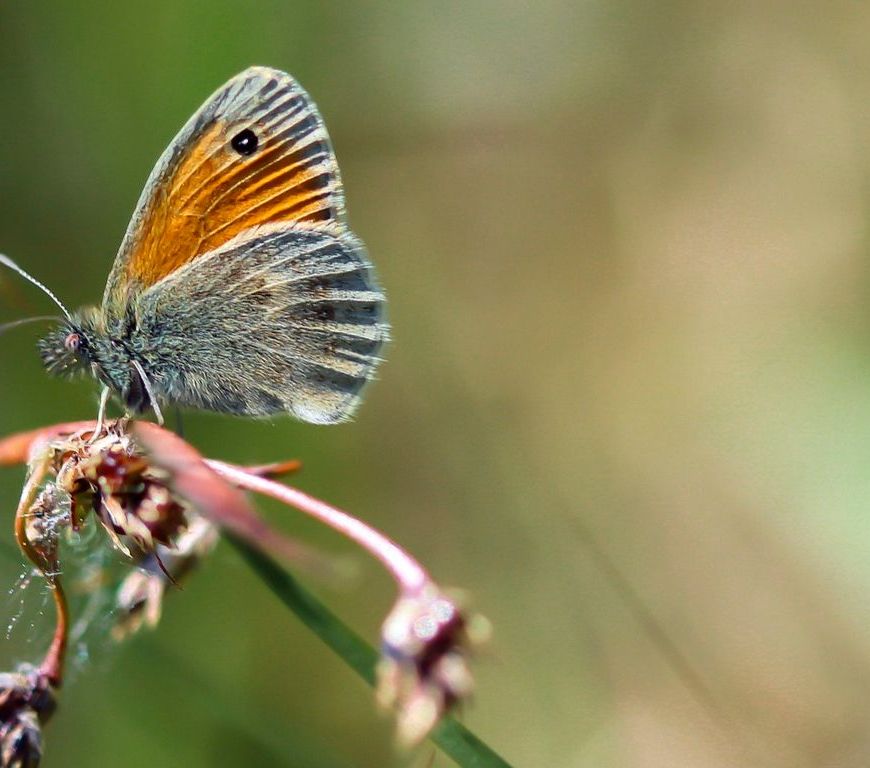
Author Cheryl Schultz talks us through a new study which highlights the importance of active management interventions in helping to buffer effects of climate change, and helping to improve population trends for at-risk butterflies. Where did the idea come from? With extensive coverage in academic and popular publications, the widespread decline of butterflies is well-known. Butterflies face a triumvirate of threats: the cumulative effects of … Continue reading Using management interventions to help at-risk butterflies in a changing climate

Bed or breakfast? Roe deer balance food and safety according to crop phenology

Noa Rigoudy and co-authors talk us through their latest work, highlighting how behavioural adjustment may buffer the consequences of the reduction in natural habitats that accompanies intensification of agricultural production. This has implications for understanding how agricultural practices shape the food-safety trade-off of wildlife living in these highly modified landscapes. Wildlife in agroecosystems The life cycle of plants (i.e., their phenology) influences how food is … Continue reading Bed or breakfast? Roe deer balance food and safety according to crop phenology

Key Concepts in Ecology: Life and the physical environment 

This blog post on ‘Life and the physical environment’ is part of the BES ‘Key Concepts in Ecology’ series, designed to help ecologists in learning the key topics in ecology! Take a look at the full series for a list of key topics you might typically find in an ecology textbook, each providing a quick introduction to the topic, and a list of suggested papers … Continue reading Key Concepts in Ecology: Life and the physical environment 

Research Stories: From wildlife-savers to citizen scientists

Johanna Kauffert and co-authors take us back to one early morning of a fawn rescue in June in order to demonstrate how opportunistically sampled field data of wildlife volunteers can be used to reconstruct birth distributions. It’s early morning (or rather still in the middle of the night) when I get up to drive to the countryside with my colleagues. Before the first rays of … Continue reading Research Stories: From wildlife-savers to citizen scientists

Bee abundance estimates vary by collection method and flowering richness

Monitoring bee populations is becoming increasingly important and commonplace, but do current methods produce reliable estimates of bee communities? Authors Marirose Kuhlman and Philip Hahn explore this question in their latest research. Wild bees are the main pollinators in nearly all terrestrial ecosystems and are essential to the reproductive cycles of many native plants, agricultural crops, and to the success of habitat restoration projects. Because … Continue reading Bee abundance estimates vary by collection method and flowering richness

What limits bumblebee populations on farmland?

A new study by Timberlake and colleagues finds that late summer nectar supply on farmland has an important influence on bumblebee colony density the following year – does this offer an opportunity to devise more targeted agri-environment schemes for pollinators? Pollen and nectar are the primary food source for most adult pollinators, and in the case of bees, their larvae too. It is no surprise … Continue reading What limits bumblebee populations on farmland?

ESE Editor’s Choice 1:1 – Understanding invasive plant phenology to better protect native island species

Laysan albatrosses amongst a field of golden crownbeard © David Dow Taylor et al.’s recent From Practice article details a case study on Midway Atoll that demonstrates the importance of understanding plant phenology to better control and eradicate non-native species. Lead Editor Carolyn Kurle highlights this article as the inaugural Ecological Solutions and Evidence Editor’s Choice. Invasive species on islands are an enormous problem; largely … Continue reading ESE Editor’s Choice 1:1 – Understanding invasive plant phenology to better protect native island species

Using phenology to guide invasive plant management

Successful restoration of degraded land often depends on well-timed interventions to control invasive species. In their recently published article, Taylor and colleagues present a case study of the effects of incorporating phenology information into invasive plant control operations at Midway Atoll National Wildlife Refuge (NWR), USA. The authors share their story below. Towards the end of April, millions of birds, including warblers, tanagers, buntings, grosbeaks … Continue reading Using phenology to guide invasive plant management