SolBeePop: A model of solitary bee populations in agricultural landscapes

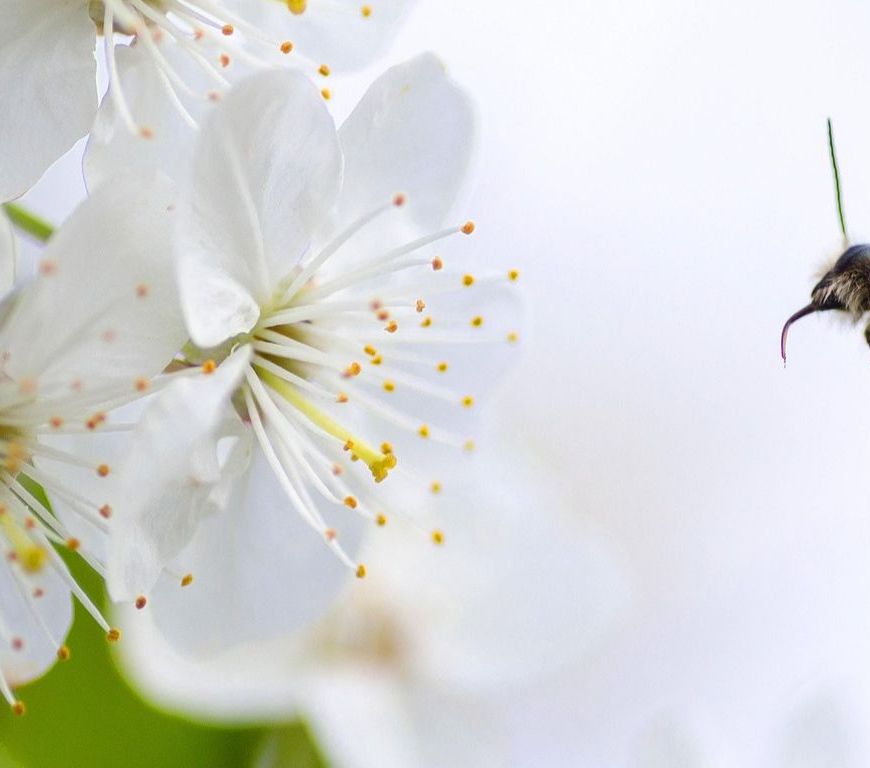
Amelie Schmolke discusses recent work, conducted alongside colleagues, which involved the development of a trait-based model for solitary bees. Schmolke et al were able to model management scenarios and possible outcomes for bee species with incomplete trait data. An introduction to bees When thinking about bees, people often think of the honey bee. But there are over 20,000 species of bees in the world, most … Continue reading SolBeePop: A model of solitary bee populations in agricultural landscapes

Apparently stable albatross population is actually decreasing due to mouse predation

Conservation organisations struggle to directly assist all threatened species, so deciding where to spend limited resources is a common problem. In a new paper, Oppel and colleagues show that, for long-lived species, a population may decrease long before this trend becomes evident in the part of the population that can be counted. Albatrosses are among the largest flying birds in the world, and they can … Continue reading Apparently stable albatross population is actually decreasing due to mouse predation

Investigating the effects of fire management on savanna biodiversity with grid‐based spatially explicit population simulations

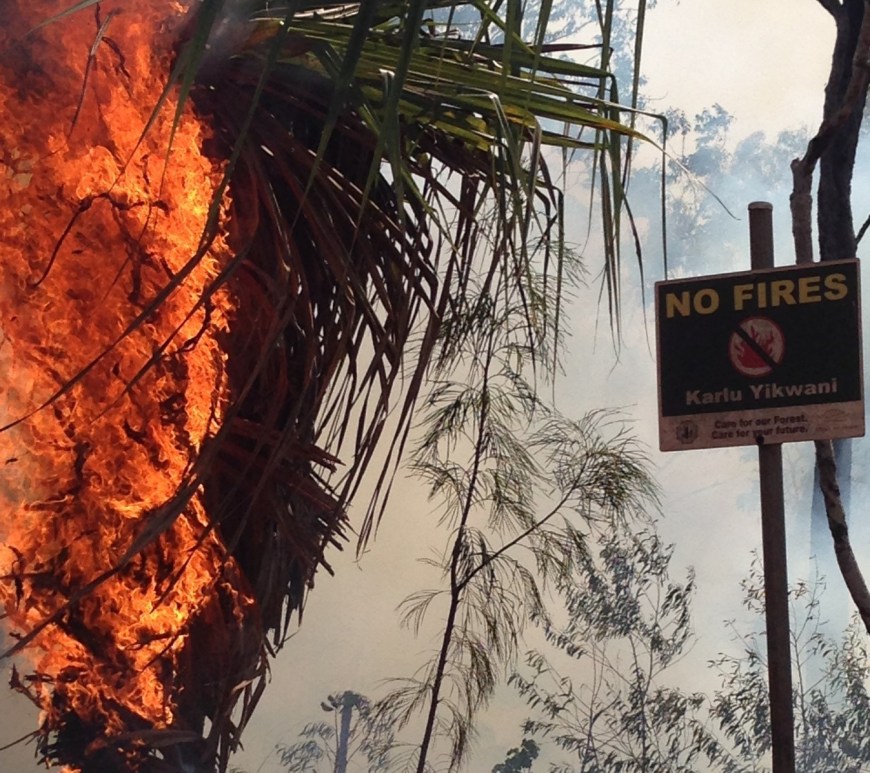
The development of effective fire management regimes is a global challenge. New research from Davies and colleagues aims to develop a flexible modelling approach to investigate how the spatiotemporal application of fire influences savanna biodiversity. Despite the integral role that fire plays in the functioning of ecosystems around the world, there remain few areas where the occurrence of fire has not been disrupted, in some … Continue reading Investigating the effects of fire management on savanna biodiversity with grid‐based spatially explicit population simulations