What determines the rarity of large carnivores in the Omo Valley of Ethiopia?

Asfaw et al. investigate the presence of large carnivores in the Omo Valley of Ethiopia and share their experience. Populations of large carnivores have been declining in Ethiopia for many years due to a range of factors including reduced prey populations, pressure from neighbouring human settlements, habitat fragmentation and loss, and low political interest in conservation. Yet large carnivores, including the African wild dog, cheetah, … Continue reading What determines the rarity of large carnivores in the Omo Valley of Ethiopia?

Tracking koalas – how airborne DNA can help us

In this blog post, Nicola Jackson shares the findings from their latest study looking at how sampling air particles to detect DNA can be useful in monitoring and conserving koalas. Perched high up in a Eucalyptus tree, swaying from side to side, lies a sleepy koala unaware of the means spent each year trying to obtain accurate baseline information about its presence. We have thrown … Continue reading Tracking koalas – how airborne DNA can help us

Salvage logging and subsequent post-windthrow management diminish forest bird communities for two decades

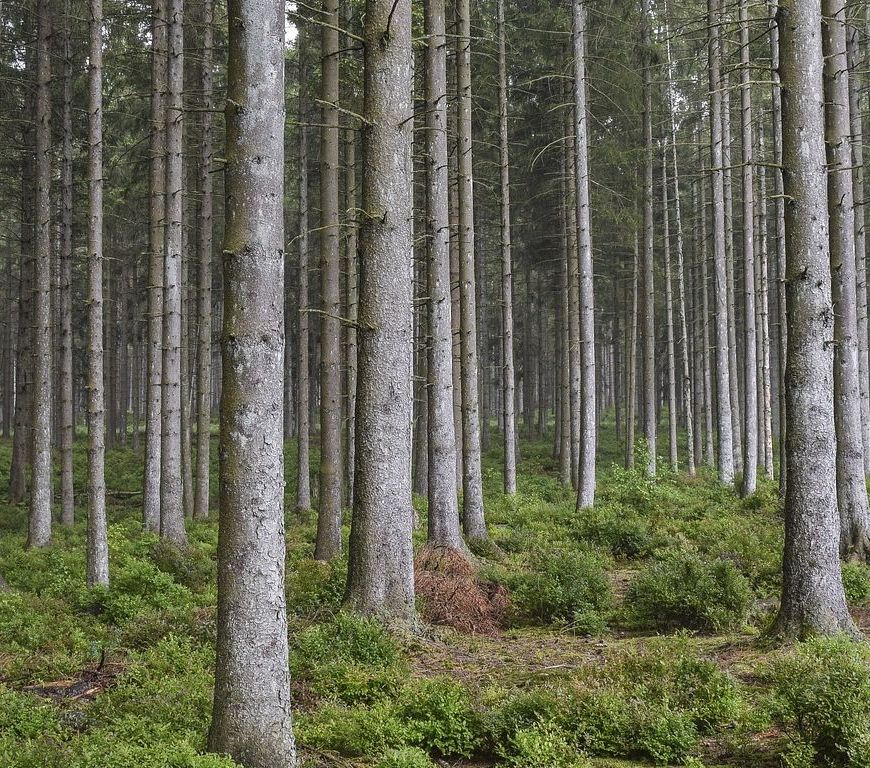
In this blog post, Michał Walesiak shares how increased bird diversity in an area of unmanaged windthrow persisted over a 20-year span in Poland. Natural disturbances in forests, such as hurricanes, fires, bark beetle outbreaks, often evoke negative emotions in people. Many find it hard to believe that hurricanes, fires, bark beetles… may actually bring some benefits to nature, such as increase in biodiversity! This … Continue reading Salvage logging and subsequent post-windthrow management diminish forest bird communities for two decades

Bark beetles in boreal forests: Calm before the storm?

In this week’s blog post, Jostein Gohli and authors discuss their recent research which explores how climatic and management-related factors influence bark beetle population sizes in boreal forests. The European spruce bark beetle The European spruce bark beetle (Ips typographus) is a notorious tree-killer in spruce-dominated forests. The last 5-10 years it has caused enormous problems in Central Europe, killing hundreds of millions of spruce … Continue reading Bark beetles in boreal forests: Calm before the storm?

Humans drive spatial variation in mortality risk for a threatened wolf population in a Canis hybrid zone

John Benson shares recent research, conducted alongside colleagues, which monitored the movement of eastern wolves in Algonquin Provincial Park, Canada. Results suggest that eastern wolves and dispersing canids survive poorly outside of APP, primarily due to human-caused mortality. Thus, expanding the threatened population outside of APP is unlikely under current management conditions. The challenge of human-caused mortality for threatened, hybridizing wolves in Canada When large … Continue reading Humans drive spatial variation in mortality risk for a threatened wolf population in a Canis hybrid zone

Bees go up, flowers go down: When are flowers needed most in agricultural areas?

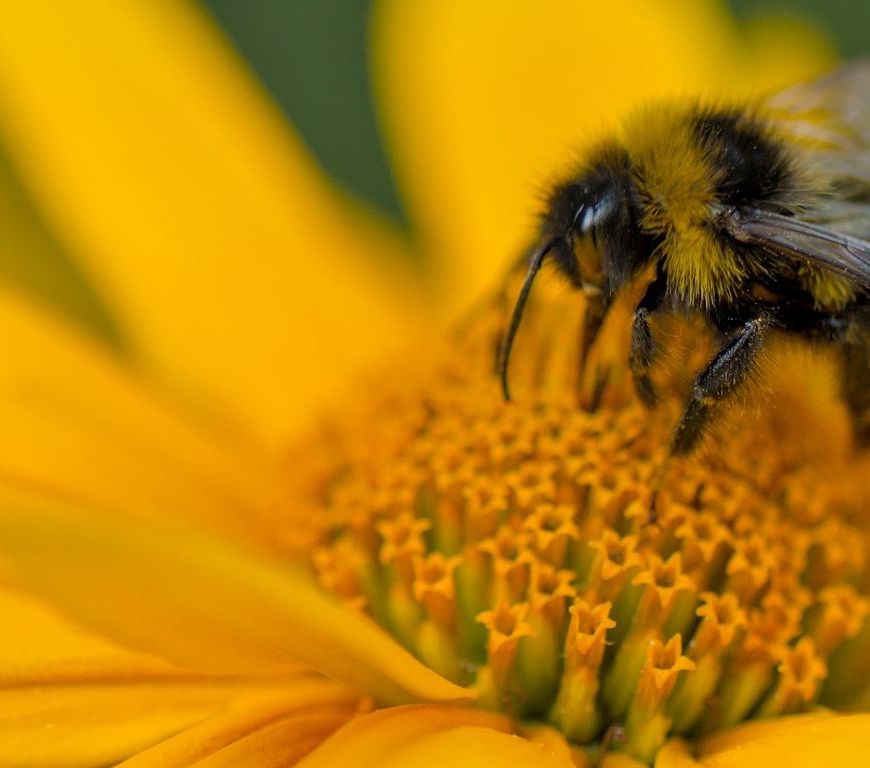
Gabriella Bishop introduces us to the latest study, conducted alongside colleagues, which indicates that agri-environmental management should target the provision of summer floral resources for both social and solitary bees. Bees in intensive agricultural landscapes Bees need flowers for food and reproduction. Previously, agricultural areas contained small fields with undisturbed borders and flower-rich pastures that provided bees with the resources they need. The transition to … Continue reading Bees go up, flowers go down: When are flowers needed most in agricultural areas?

Regulation is required to mitigate the high cumulative propagule pressure exerted by escaped pet parrots

Margaret Stanley, Ellery McNaughton, Rachel Fewster and Josie Galbraith talk us through their recent research that uses reports of lost pet birds to estimate the cumulative propagule pressure that the pet trade exerts on the establishment of introduced bird species. Although concerns about the billion-dollar global pet trade industry have usually focused on issues associated with the trade of endangered species, the pet trade also … Continue reading Regulation is required to mitigate the high cumulative propagule pressure exerted by escaped pet parrots

Counting the ghosts of the mountains: sampling snow leopard populations at large spatial scales

Effective management of large carnivores requires robust monitoring at all scales. In their latest research, Manvi Sharma and colleagues describe the first systematic effort at estimating snow leopard populations at a large regional scale. The high-altitude mountains of the Himalaya are important habitats for unique flora and fauna adapted to these regions. The most charming of these species that has taken home here is the … Continue reading Counting the ghosts of the mountains: sampling snow leopard populations at large spatial scales

Bee abundance estimates vary by collection method and flowering richness

Monitoring bee populations is becoming increasingly important and commonplace, but do current methods produce reliable estimates of bee communities? Authors Marirose Kuhlman and Philip Hahn explore this question in their latest research. Wild bees are the main pollinators in nearly all terrestrial ecosystems and are essential to the reproductive cycles of many native plants, agricultural crops, and to the success of habitat restoration projects. Because … Continue reading Bee abundance estimates vary by collection method and flowering richness

Targeting survey and monitoring efforts on roads could help us better understand population changes in introduced carnivores

Carnivores usually occur over large areas in low numbers, which sometimes makes them difficult to find. In their recently published article, Hayley Geyle and colleagues assessed the effectiveness of different camera trap survey designs for detecting feral cats and red foxes, and looked at how this influenced their ability to determine whether populations had changed in response to control through time. Introduced carnivores in Australia … Continue reading Targeting survey and monitoring efforts on roads could help us better understand population changes in introduced carnivores