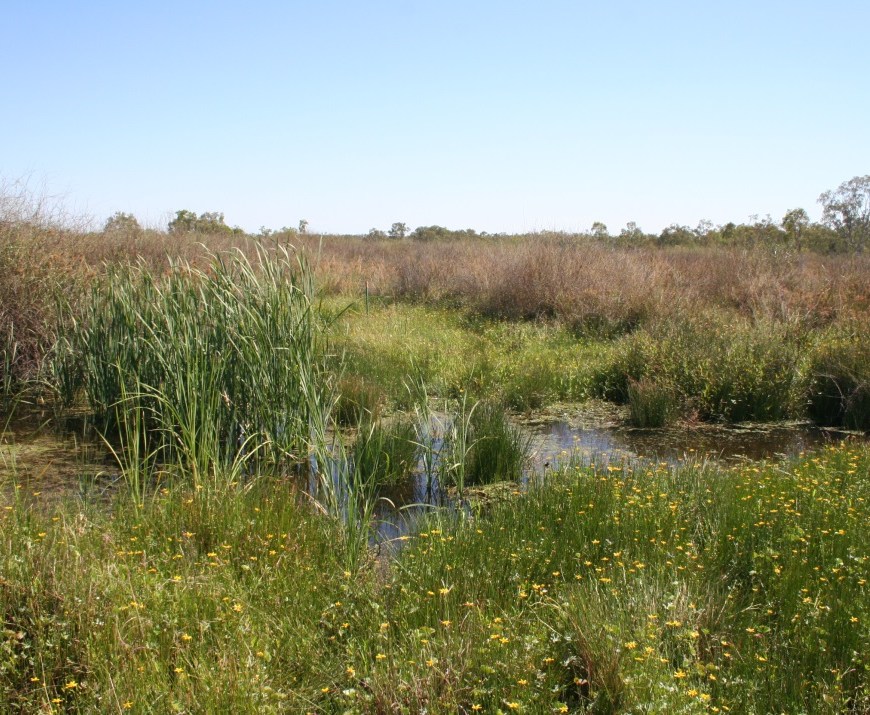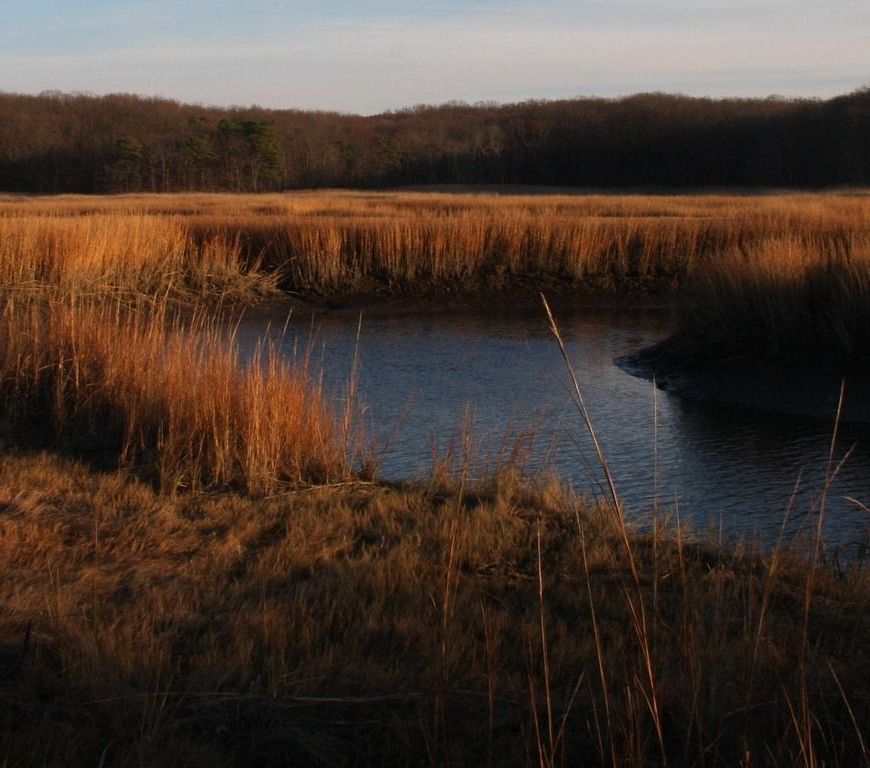
Farmlands near coastal wetlands experience less cyclone damage

Coastal wetlands, including mangrove forests and saltmarshes, are known to reduce coastal erosion and flooding during storms. However, limited studies have investigated whether these ecosystems influence how tropical cyclones affect nearby farmlands. Farmlands are highly vulnerable to extreme weather events predicted with climate change, threatening food security and regional economies. Our study examined patterns of flooding and crop cover change on coastal sugarcane land in … Continue reading Farmlands near coastal wetlands experience less cyclone damage

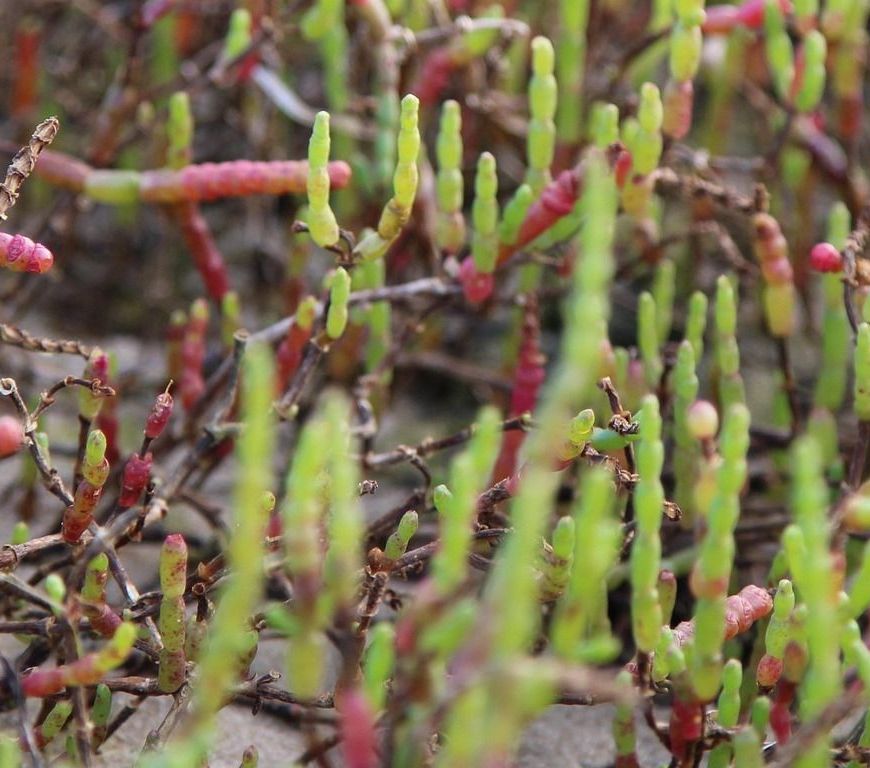
Dirt to the rescue: Using sediment to restore evolving saltmarshes in the subtropics

Coastal wetlands such as saltmarshes and mangrove forests provide benefits including storm protection and fisheries support to millions of people around the world. Yet, these habitats are changing rapidly as sea levels rise and temperatures warm, especially in areas affected by both of these stressors at the same time. In the subtropics, for example, saltmarshes are deteriorating from sea level rise while also transitioning to … Continue reading Dirt to the rescue: Using sediment to restore evolving saltmarshes in the subtropics

Using salt marshes for coastal protection: effective but hard to get where needed most

Beatriz Marin-Diaz talks about her and research colleagues’ latest article, where they monitored wave run-up on Dutch dikes over the course of 3 years. Through comparing different dike locations, some fronted by salt marshes and others fronted by bare tidal flats without vegetation, results could be linked to the long-term marsh development in the area. Introduction Salt marshes are wetlands in coastal areas that provide … Continue reading Using salt marshes for coastal protection: effective but hard to get where needed most

Eight steps to urban amphibian conservation: Framework to translate ecological knowledge to action

New research by Lee et al. demonstrates the utility of an eight-step framework to identify priority wetland habitats and movement corridors for urban amphibian conservation in cities. Author Nicole Kahal explains more in this blog post. Amphibians are one of the most imperilled species assemblages with diversity and abundance declines reported globally. Considered a key indicator of ecological condition, amphibians face many challenges in the … Continue reading Eight steps to urban amphibian conservation: Framework to translate ecological knowledge to action

The importance of wetland margin microhabitat mosaics

The use of microhabitats for thermoregulation in wetland species is poorly studied. In their latest research, Ryeland and colleagues conduct field observations of nine species of shorebird to test whether birds selectively use microhabitats across temperatures. Wetlands, and the species that rely upon them, are under significant threat world‐wide, and managing habitat for migratory wetland species, such as shorebirds, is particularly challenging because it requires … Continue reading The importance of wetland margin microhabitat mosaics

Urban wetland conservation may unintentionally benefit mosquitoes

As urban wetlands become more prevalent, Jayne Hanford and colleagues look into how other species, not just those of conservation focus, might benefit from our management efforts. What happens when those additional species could be problematic for nearby human populations? Wetlands are one of the world’s most valuable but also most threatened ecosystems. The services they provide include biodiversity conservation, flood mitigation, water purification, and … Continue reading Urban wetland conservation may unintentionally benefit mosquitoes

Wet wetlands restore better

With Plant Conservation Day in mind, Samantha Dawson’s post discusses characteristics of wetland plants and her new paper, Plant traits of propagule banks and standing vegetation reveal flooding alleviates impacts of agriculture on wetland restoration. Many of the world’s wetlands are highly degraded and they are one of the most threatened types of ecosystems. To attempt to halt or reverse this trend, there are lots of … Continue reading Wet wetlands restore better

More accurate mapping of coastal wetlands is vital for their management and conservation

In this post, Associate Editor Nathalie Butt discusses a recent paper ‘Habitat mapping of coastal wetlands using expert knowledge and Earth Observation data’ by Maria Adamo, Cristina Tarantino, Valeria Tomaselli, Guiseppe Veronico, Harini Nagendra and Palma Blonda. Habitats at risk What do we usually think of when we hear ‘wetland’ or ‘coastal wetland’? A flat marshy area by the sea somewhere, perhaps with a bird … Continue reading More accurate mapping of coastal wetlands is vital for their management and conservation

Environmental DNA and crayfish management

In this post Matthew Dougherty discusses his recent paper ‘Environmental DNA (eDNA) detects the invasive rusty crayfish Orconectes rusticus at low abundances‘ Tangled buoy strings, lost traps, pinched fingers, sweaty brows, and boats smeared with beef liver: these images define the experiences of countless managers and scientists who use baited trapping to monitor crayfish invasions, especially in lakes of the upper Midwest, USA. While these … Continue reading Environmental DNA and crayfish management

Conservation of wet grassland birds

In this post Michał Żmihorski discusses his paper ‘Effects of water level and grassland management on alpha and beta diversity of birds in restored wetlands’ A lot of species associated with wetlands are rare and declining and therefore large economical resources are being put into the conservation of wetlands given that they are hotspots for wetland birds and wet grassland birds. However, few studies have … Continue reading Conservation of wet grassland birds