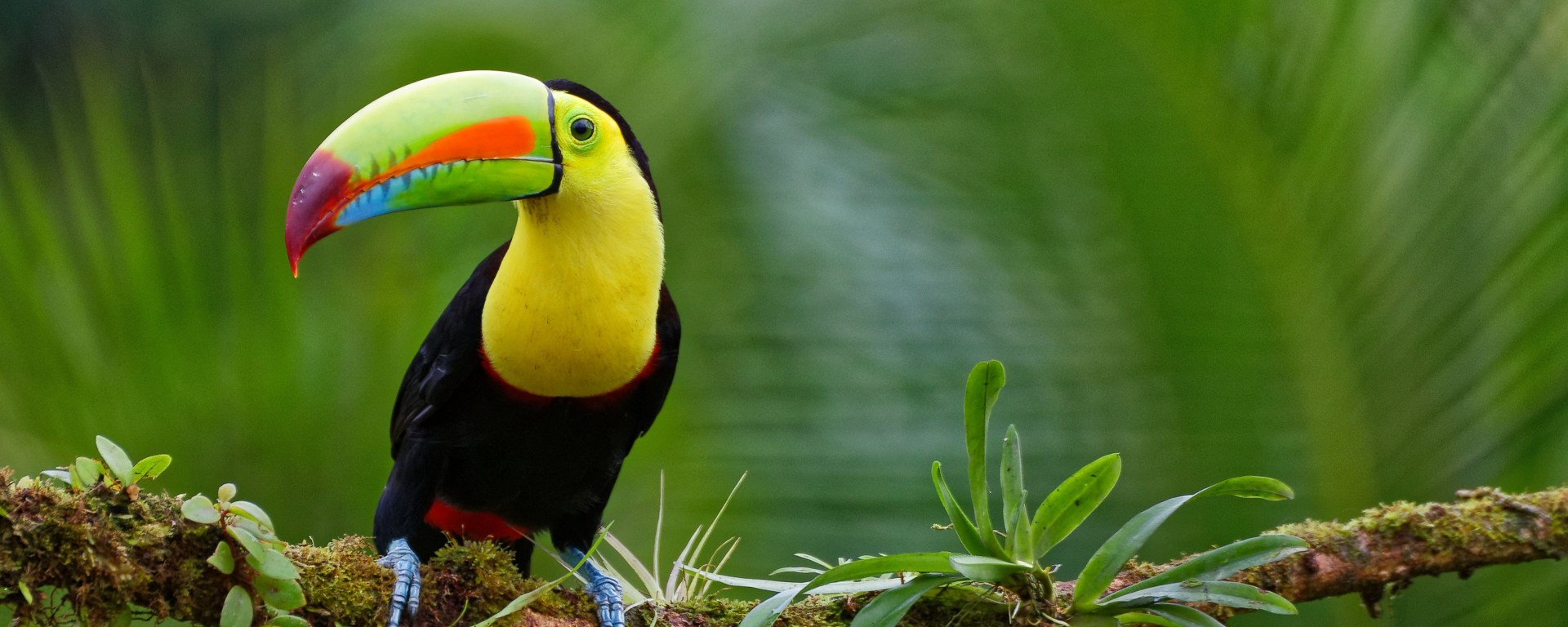
Whenever you walk through a shade-grown coffee farm in the Colombian Andes, it is easy to feel optimistic about biodiversity. Tall trees form a canopy above the coffee shrubs, birds call from every direction, and the system looks far more “natural” than a monoculture field. For years, this kind of agroforestry has been promoted as a win–win solution for farmers and biodiversity. But how much can a single farm really achieve on its own?
In our recent study published in Journal of Applied Ecology, we set out to answer a simple but often overlooked question: does what happens beyond the farm matter as much as what happens within it? To find out, we studied bird communities across coffee farms and forests in the Eastern Andes of Colombia, combining detailed field surveys with community-level occupancy models. Our results point to a clear and somewhat sobering conclusion: the amount of forest in the surrounding landscape is one of the strongest predictors of whether birds are present at all, and this happened to be true for nearly every ecological group we studied
Looking beyond the farm
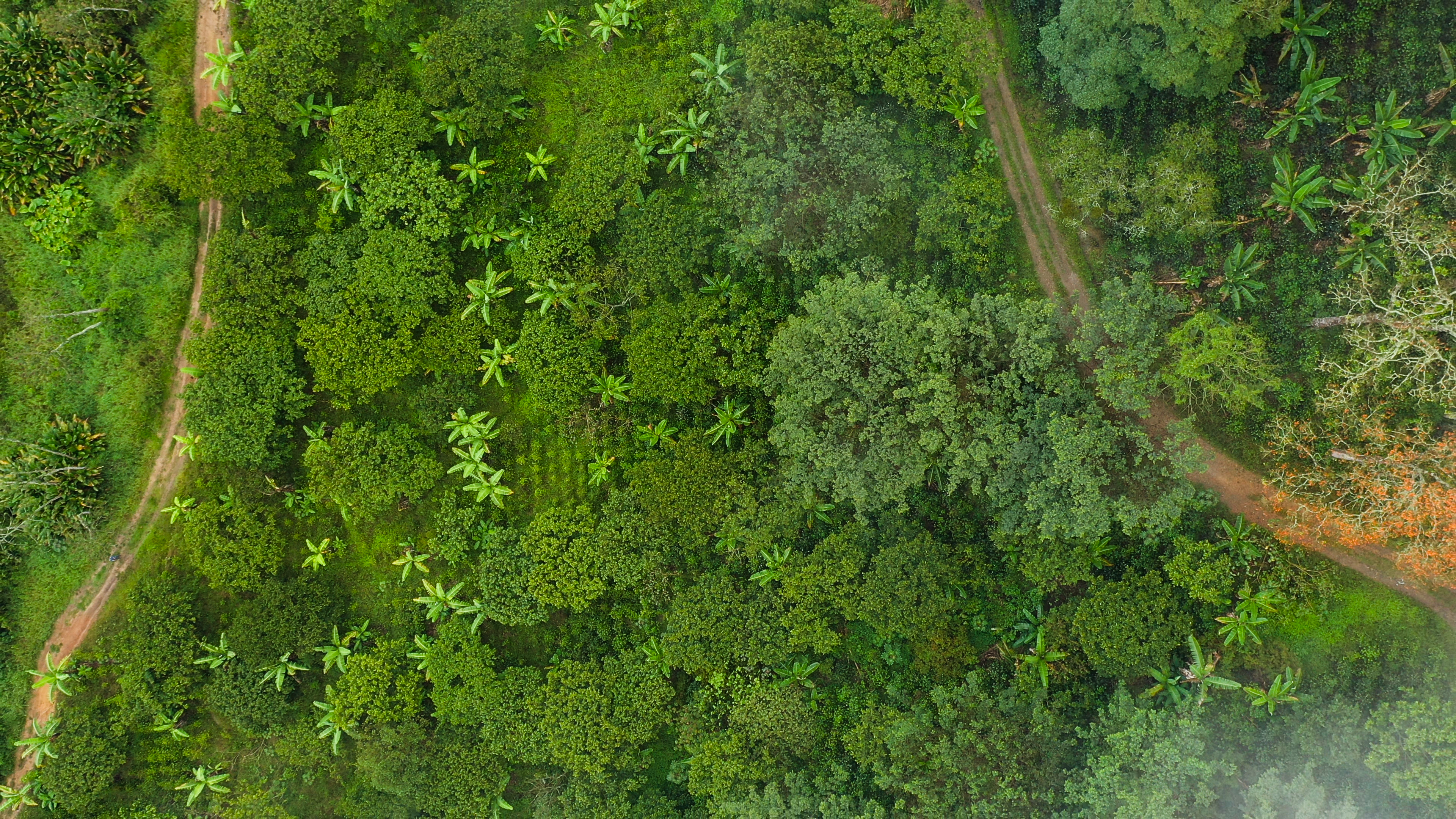
Much of the conversation around sustainable coffee focuses on farm-level practices—especially shade management. And for good reason, since more diverse and structurally complex shade does support more birds than simplified coffee systems. Nevertheless, birds are highly mobile. They do not experience landscapes as isolated farms, but as connected mosaics of habitats. This means that even well-managed farms may fall short if they are embedded in heavily deforested landscapes. We found that increasing forest cover within a 2 km radius consistently boosted bird occupancy in both coffee farms and forests. This pattern held across habitat guilds (such as forest specialists, generalists, and open area specialists), diet guilds (like frugivores, granivores, insectivores, nectarivores, and omnivores), and even species of conservation concern. In other words, forest in the landscape sets the stage for everything else.
Not all birds respond the same way
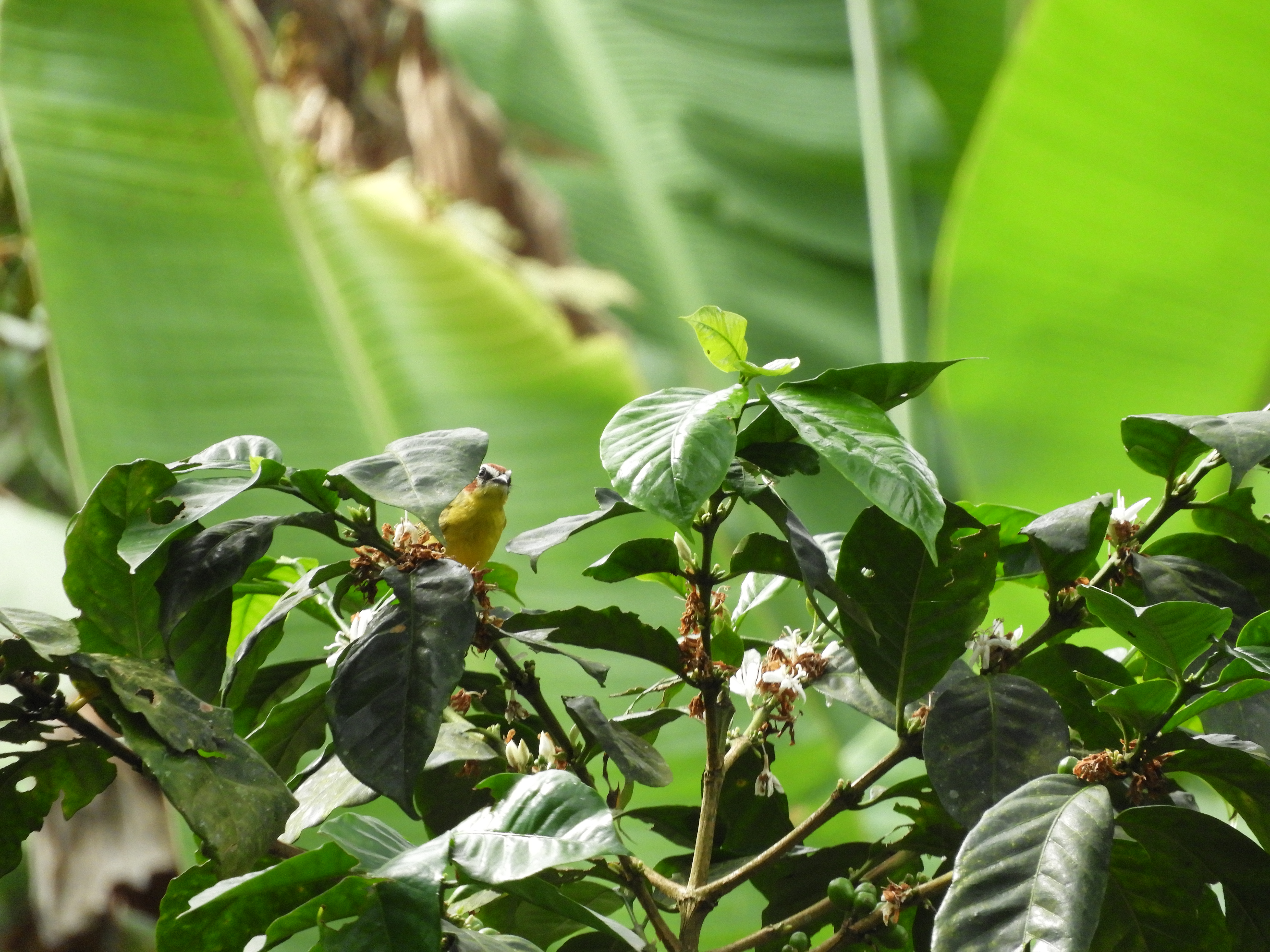
One of the strengths of our approach was to look at bird communities through the lens of ecological guilds. Forest specialists—species that depend strongly on intact forest—were the most sensitive. They were almost entirely absent from coffee farms unless those farms were located in landscapes with high forest cover. To maintain even moderate occupancy, these species required more than ~30% forest in the surrounding landscape, and closer to 45% for higher occupancy levels. Generalist species told a different story, as they were able to use both forest and coffee habitats, and responded positively to shade complexity within farms. But even for them, the benefits of shade coffee depended on the broader landscape: in more deforested areas, farms needed denser and more diverse tree cover to sustain similar levels of bird occupancy. These results clearly suggest that local management and landscape context are not interchangeable, but rather interact.
A shifting landscape through time
We also found that bird use of habitats changed between seasons. During the migratory season (when Nearctic-Neotropical migrants were present; December–January), several bird groups showed higher occupancy in forests compared to the non-migratory season (July–August), suggesting that these habitats may provide key resources during critical periods such as breeding or peak food availability. This seasonal dynamic reinforces the idea that maintaining a diversity of habitats is essential for supporting bird communities throughout the year.
Rethinking conservation in coffee landscapes
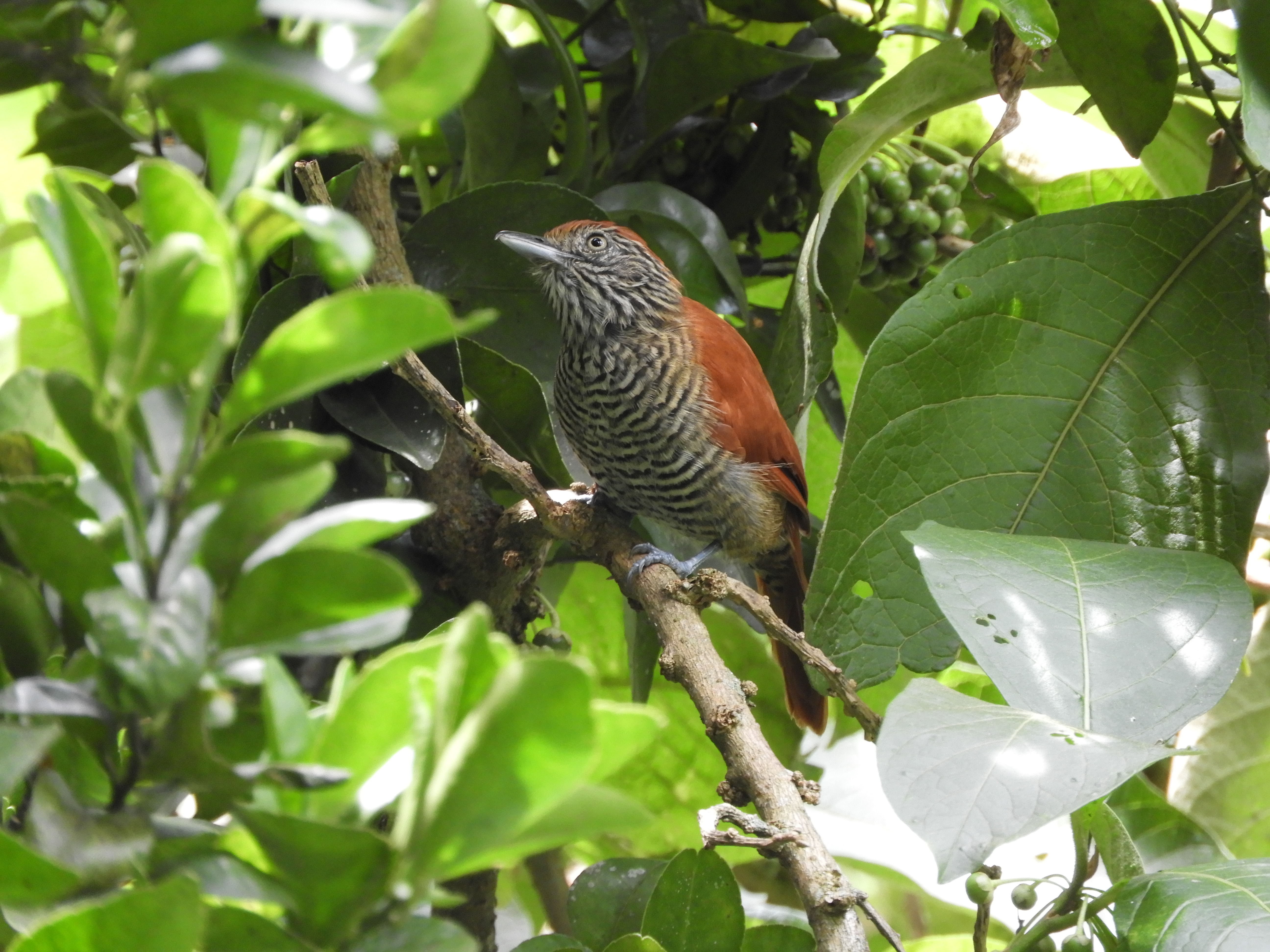
So, what does this mean for conservation and sustainability initiatives? Our findings suggest that current approaches—which often focus almost exclusively on farm-level practices—are incomplete. Certifications that promote shade-grown coffee are valuable, but they may not deliver meaningful biodiversity outcomes if the surrounding landscape lacks sufficient forest. Instead, we argue for a more integrated strategy. First, conserving and restoring forest at the landscape scale should be a central goal. Our results suggest that maintaining roughly 45–60% forest cover within a 2 km radius would support a wide range of bird species, including forest specialists. Second, farm-level practices still matter, but in context. Shade coffee with diverse tree cover can support many species, especially generalists, and becomes even more valuable in more forested landscapes. Rather than choosing between “land sharing” (wildlife-friendly farming) and “land sparing” (protecting natural habitats) approaches, our results support a hybrid approach that combines both.
From farms to landscapes
Ultimately, biodiversity conservation in agricultural systems cannot stop at the farm boundary. Birds—and surely several other organisms—respond to landscapes, not just fields. If we want coffee production to truly support biodiversity, we need to think bigger: connecting farms, conserving forests, and designing landscapes that work for both people and wildlife.
Read the full article, ‘Forest cover drives bird occupancy across guilds and habitats in a Colombian coffee farming landscape’, in Journal of Applied Ecology.

