Modelling spatial variation in an exploited species across marine reserve boundaries

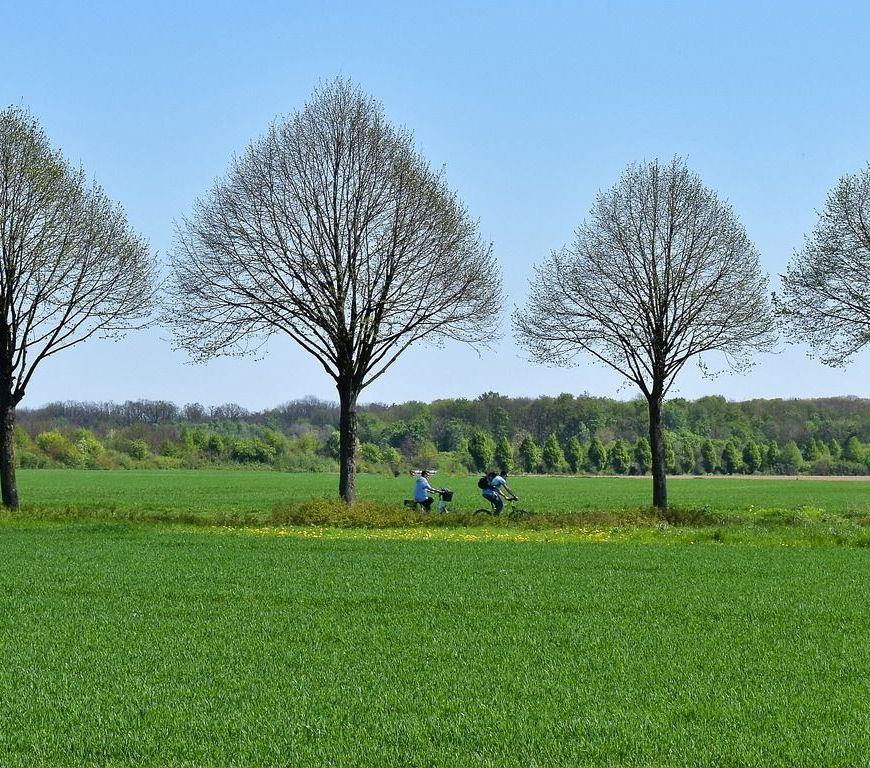
In their new study, Benn Hanns and Nick Shears evaluate common modelling assumptions used to assess the extent of spill-over and edge effects of marine species from protected-areas. Their findings highlight the potential for erroneous conclusions about these phenomena when inappropriate modelling strategies are used. Species dynamics in marine reserves Increases in exploited species within marine reserves can benefit adjacent fished areas as individuals move … Continue reading Modelling spatial variation in an exploited species across marine reserve boundaries

Umo  kumala kwankholongo kukhwaskira mabutterfly muvigawa vya mu AFrica – Kasi walimi wachokowachoko wangaovwira kuwezgera, kupwerelera mabutterfly

Cassandra Vogel na Vera Mayer, wafumiska kafuku-fuku wawo mwasonosono wakulongola kuchepa kwa malo yakukhalamo wabulawula mu Malawi. Wakughanaghana vyakusambizga walimi wachoko-wachoko kuti wasazgileko kulima mbewu za mitundu yinandi izo zikufumiska maluwa.Kweniso kuwoneskeska kuti wachitenge,panyakhe walimenge nthowa izo zikuwezgelengemo nyata mudongo. Continue reading Umo  kumala kwankholongo kukhwaskira mabutterfly muvigawa vya mu AFrica – Kasi walimi wachokowachoko wangaovwira kuwezgera, kupwerelera mabutterfly

Woodland loss impacts butterfly communities in Africa – can smallholder farmers help conserve them?

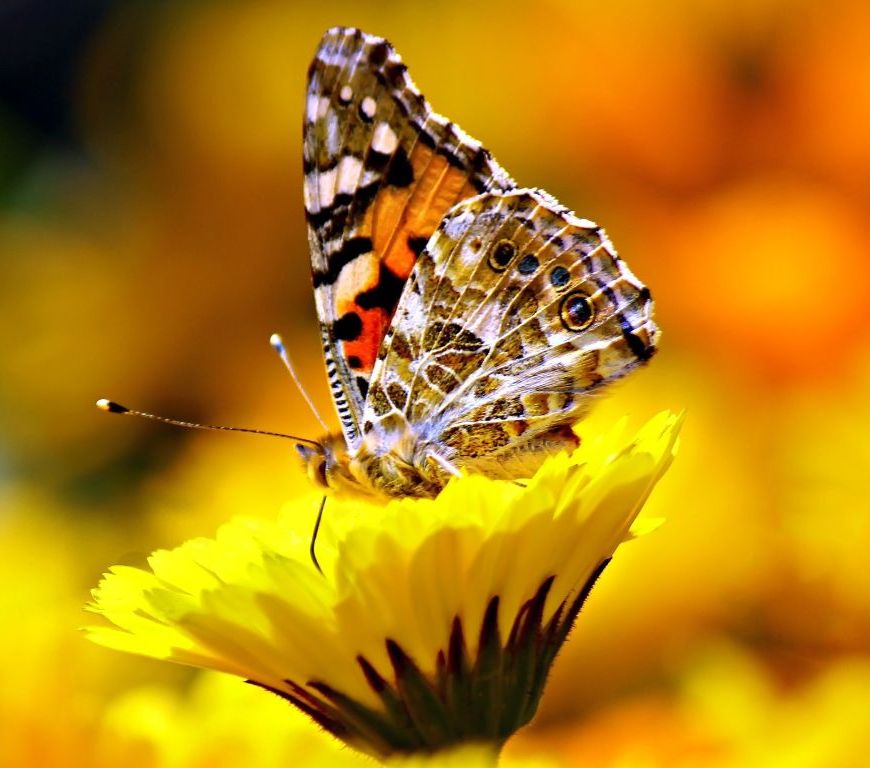
Cassandra Vogel and Vera Mayer present their latest research into the effects of habitat loss on butterflies in Malawi, suggesting that encouraging smallholders to increase the diversity of flowering crops and implement sustainable soil practices is needed. Continue reading Woodland loss impacts butterfly communities in Africa – can smallholder farmers help conserve them?

Biodiversity in landscape mosaics: Local land use, landscape and dung beetle assemblages

Raquel Carvalho and Ellen Andresen explain new research that evaluates the impact of land use, landscape structure, and their interactions, on dung beetles, a group of insects that provides many ecosystem services. Carvalho et al demonstrated that both factors act together to shape biodiversity patterns, and that the effect of landscape structure often depends on the specific land use studied. The problem Understanding the impact … Continue reading Biodiversity in landscape mosaics: Local land use, landscape and dung beetle assemblages

Editor’s Choice 60:6 Whale shark abundance forecast

Author Oscar Sosa-Nishizaki introduces Journal of Applied Ecology’s June Editor’s Choice research article which was identified by Editors for proposing strong applied ecological guidance. Sosa-Nishizaki et al’s studied whale shark abundance through modelling and photo identification, suggesting that local authorities apply the model each spring. Research conception The foundations of this study began around 2007 with the efforts of the Pejesapo community group from the … Continue reading Editor’s Choice 60:6 Whale shark abundance forecast

Using salt marshes for coastal protection: effective but hard to get where needed most

Beatriz Marin-Diaz talks about her and research colleagues’ latest article, where they monitored wave run-up on Dutch dikes over the course of 3 years. Through comparing different dike locations, some fronted by salt marshes and others fronted by bare tidal flats without vegetation, results could be linked to the long-term marsh development in the area. Introduction Salt marshes are wetlands in coastal areas that provide … Continue reading Using salt marshes for coastal protection: effective but hard to get where needed most

New Associate Editors 2023: Journal of Applied Ecology

Following our recent open call for applicants, we’re thrilled to welcome 23 new Associate Editors to the Journal of Applied Ecology Editorial Board! You can find out about each new Associate Editor’s research interests below. Mark Otieno University of Würzburg, Germany Mark’s research focuses on the sustainable delivery of pollination and other arthropod-mediated ecosystem services, pollinator biology with a focus on ecology, community structure and functioning, landscape … Continue reading New Associate Editors 2023: Journal of Applied Ecology

Welcoming our 2023 Associate Editor Mentees!

Journal of Applied Ecology offers a two-year mentoring opportunity for early career researchers to gain experience of the Associate Editor role. Each mentee works with one of our five Senior Editors, who act as a mentor, as well as receives on-going support from the Editorial Office. Mentees have a great opportunity to learn more about the peer review process and publishing more widely through handling submissions … Continue reading Welcoming our 2023 Associate Editor Mentees!

Towards environmentally friendly finfish farming: A potential for mussel farms to compensate fish farm effluents

Jonne Kotta explains new research which uses dynamic energy budget modelling to explore the potential of mussels for bioremediation at finfish farms. Kotta and colleagues suggest that environmentally sustainable finfish farming solutions may be possible in the eutrophic Baltic Sea region. The problem Global demand for fish has risen sharply in recent decades and will surely continue to rise during the next decade. However, this … Continue reading Towards environmentally friendly finfish farming: A potential for mussel farms to compensate fish farm effluents

Does logging help or harm Borneo’s bats?

Natalie Yoh and Dave Seaman discuss their recently published research article that uses remote sensing to investigate the effects of logging on aerial insectivorous bats in Southeast Asia. Findings indicate that logged forests can provide an important refuge and several species that respond predictably to logging could be targeted for biodiversity monitoring using acoustic and capture-based methods. “Bats make up around 40% of Borneo’s mammal … Continue reading Does logging help or harm Borneo’s bats?