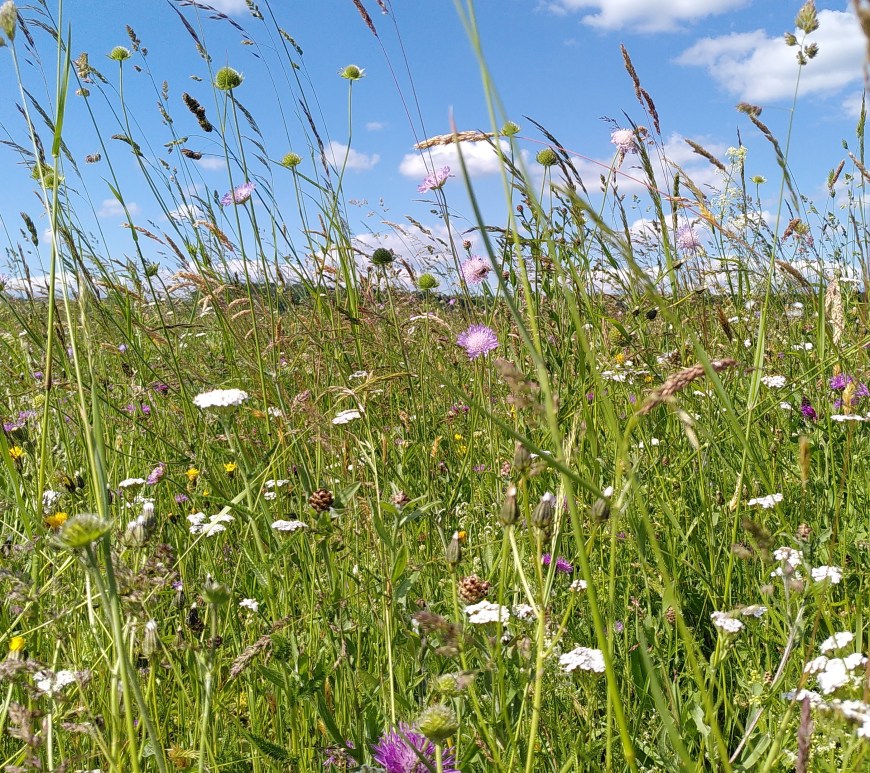
Corina Maurer: Different types of semi-natural habitat are required to sustain diverse wild bee communities across agricultural landscapes

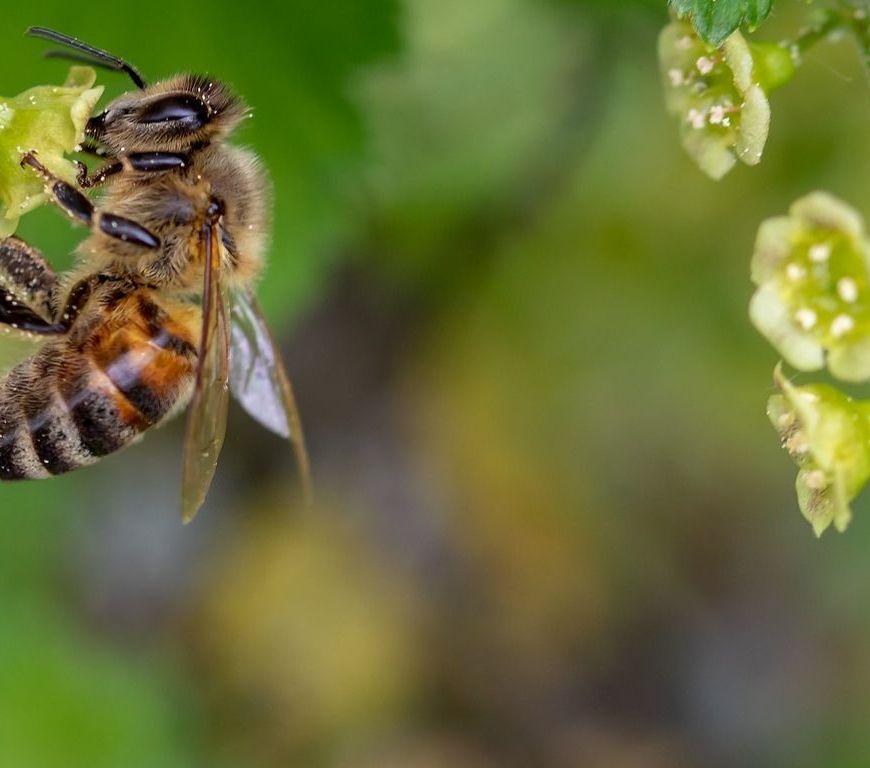
Shortlisted for the Southwood Prize 2022 Corina Maurer talks us through her and colleagues’ research on how different kinds of habitats are able to maintain a diverse bee community throughout agricultural landscapes. Habitats and bees Open habitat mosaics, such as grasslands interspersed with hedgerows that existed more than 150 years ago, were home to very diverse wild bee communities. But, the once so diverse and … Continue reading Corina Maurer: Different types of semi-natural habitat are required to sustain diverse wild bee communities across agricultural landscapes

2022 Spotlight Virtual Issue

We’re thrilled to announce that our 2022 Spotlight Virtual Issue is now available to read! Starting in 2021, the Journal of Applied Ecology Senior Editors select a collection of articles from the previous publication volume to showcase important new research from the Global South. These articles are free to read for the year so that they can be accessed by all ecologists, regardless of their … Continue reading 2022 Spotlight Virtual Issue

Call for proposals! The influence of beneficial fungi on plant-enemy interactions & plant community structure

Ecologists have mused over the mechanisms that structure plant communities for centuries. One such mechanism is negative density dependence, which has been proposed as a an important promoter of tree species diversity across plant communities. However, most negative density-dependence studies to date have focused on the roles played by insects and fungal pathogens. Less attention has been put on the potential for mutualistic fungi to… Continue reading Call for proposals! The influence of beneficial fungi on plant-enemy interactions & plant community structure

Multiple incentives to harvest can increase the extinction risk of rare species

Ryan Almeida talks us through recent research on extinction risk with Juan Bonachela and Julie Lockwood. Through a case study on the ground pangolin, or the Smutsia temminckii, the study uses models to consider rare species extinction risk and the rate at which overexploitation occurs. The economics of exploitation Overexploitation, the unsustainable harvest of species from the wild, is recognized as one of the “big … Continue reading Multiple incentives to harvest can increase the extinction risk of rare species

Southwood Prize 2022: Shortlist announced for early career researcher award

Every year Journal of Applied Ecology awards the Southwood Prize to the best paper in the journal by an author at the start of their research career. With entries spanning the 59th volume of the journal, our Senior Editors carefully shortlisted the following 12 papers. Chongzhe Zhang with ‘Leveraging functional traits of cover crops to coordinate crop productivity and soil health’ Elizabeth Koziol with ‘Manipulating plant microbiomes … Continue reading Southwood Prize 2022: Shortlist announced for early career researcher award

Smart orchard design improves crop pollination

In their new research article, Mina Anders (University of Göttingen, Germany) and colleagues compared the effects of agronomic practices, including agronomic inputs (irrigation and managed honey bees), orchard design without external inputs (spatial orchard structure), and landscape factors on nut production in South African macadamia orchards. The need for sustainable agricultural practices Conventional agricultural intensification causes biodiversity loss and environmental degradation. To reduce these impacts, … Continue reading Smart orchard design improves crop pollination

How can soundscapes enhance recruitment and habitat building on new oyster reef restorations?

Author Dominic McAfee talks us through his and colleagues’ recently published research article which experimented with the use of home-made speakers to boost oyster recruitment at sites throughout Australia. We’ve all, at one time or another, used music as a band aid. Perhaps to mend a broken heart, or to help us through challenging times. And in this regard, it seems we are not alone … Continue reading How can soundscapes enhance recruitment and habitat building on new oyster reef restorations?

M²-gardens to probe the rural landscape

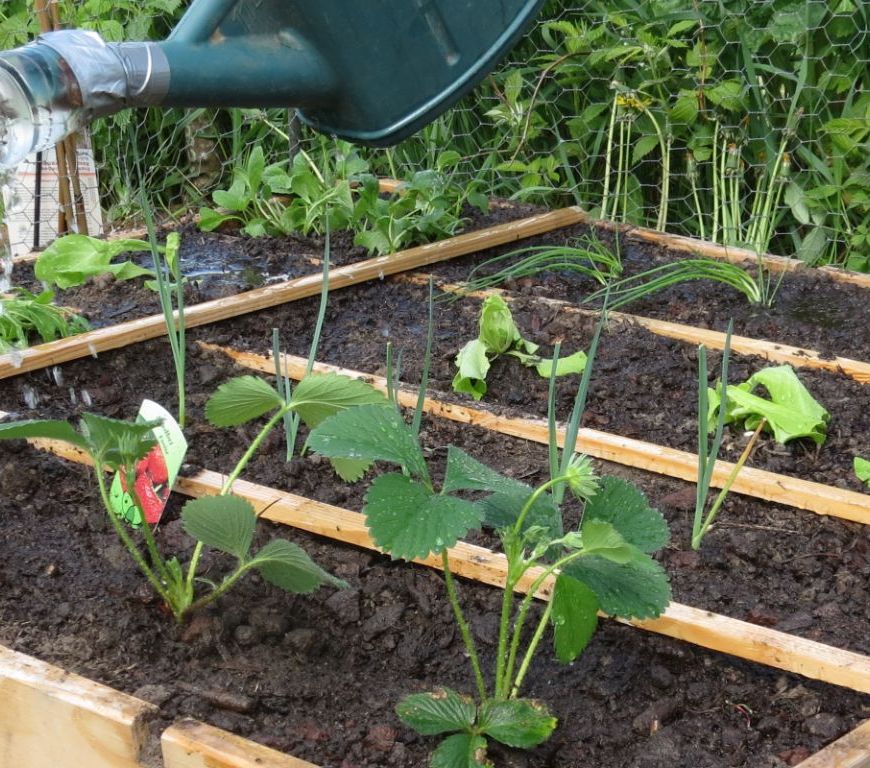
Frederik Gerits discusses their recently published article. Published in Journal of Applied Ecology, the article shows how variation in local land use types influence both biotic (e.g. presence and abundance of predatory arthropods and pollinators) and abiotic parameters (e.g. microclimate variation) in a peri-urban landscape. Our hypothesis is that these influences of landscape composition might further play a role in the resilience of landscapes in … Continue reading M²-gardens to probe the rural landscape

Regulation is required to mitigate the high cumulative propagule pressure exerted by escaped pet parrots

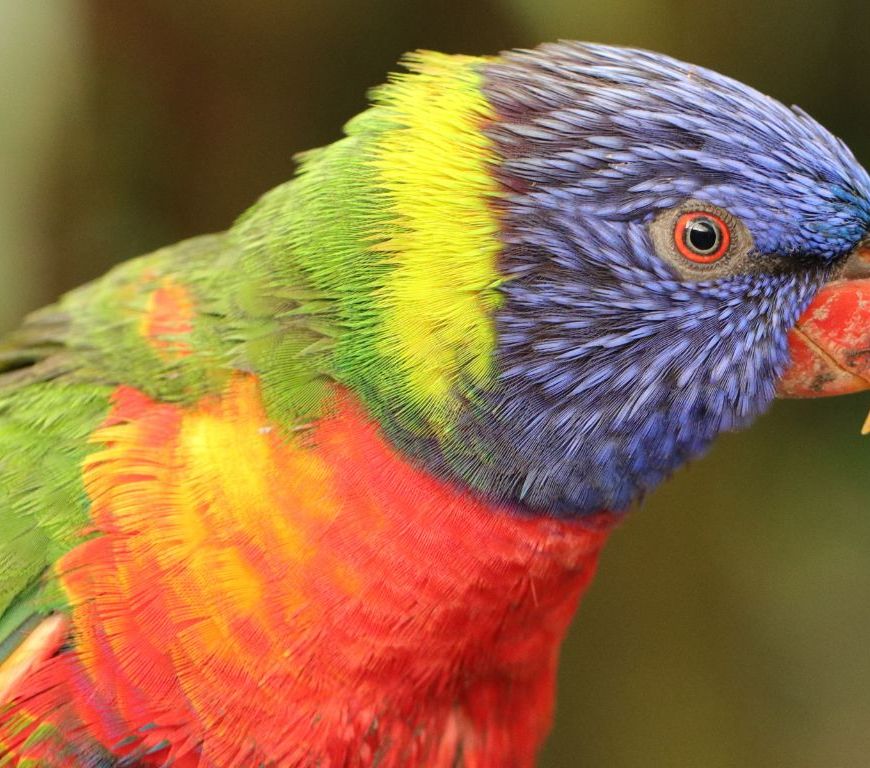
Margaret Stanley, Ellery McNaughton, Rachel Fewster and Josie Galbraith talk us through their recent research that uses reports of lost pet birds to estimate the cumulative propagule pressure that the pet trade exerts on the establishment of introduced bird species. Although concerns about the billion-dollar global pet trade industry have usually focused on issues associated with the trade of endangered species, the pet trade also … Continue reading Regulation is required to mitigate the high cumulative propagule pressure exerted by escaped pet parrots

Best practices for LGBTQ+ inclusion during ecological fieldwork

Authors Jaime Coon and Nathan Alexander reflect on their recent perspective piece that discusses LGBTQ+ inclusion during ecological fieldwork, with recommendations for individuals, mentors, and institutions. All field ecologists have stories involving adventure, creative solutions to unexpected problems, challenging environmental conditions, truck failures, or insect infestations in the fieldhouse. But for ecologists from marginalized groups, field stories shared among community members can also be a … Continue reading Best practices for LGBTQ+ inclusion during ecological fieldwork