Rewild or Restore – how about doing both?

James Bullock and Nathalie Pettorelli summarise their Perspective piece that highlight the potential for integrating restoration and rewilding agendas into whole landscape approaches. As biodiversity continues to decline at an alarming pace, it is becoming more urgent to not only halt these losses but to reverse them. This reversal of losses, now commonly termed ‘nature recovery’, generally requires improving the state of terrestrial and aquatic … Continue reading Rewild or Restore – how about doing both?

Natural recruitment should be a key goal of tree planting projects

Anna Gee, a PhD student at Imperial College London, talks us through ways in which we can help to restore forests through natural recruitment in this standalone piece. How do we decide what trees to plant for forest restoration? The approach of many restoration projects is to find what is known as a reference forest, a forest that has not been disturbed much by humans, … Continue reading Natural recruitment should be a key goal of tree planting projects

Nitrogen-fixing trees: friends or foes of oak-hickory forests?

Nina Wurzburger discusses new research exploring the impacts of nitrogen fixers on tree species in recovering temperate forests. Finding evidence of a detrimental effect of nitrogen fixation on oak-hickory biomass, Wurzburger and colleagues suggest management techniques to manage forest nitrogen cycles. Nitrogen fixation: A crash course Nitrogen-fixing plants are nature’s answer to fertilizer. These plants partner with special bacteria that convert atmospheric nitrogen in exchange … Continue reading Nitrogen-fixing trees: friends or foes of oak-hickory forests?

Forestry raises the predation risk to caribou – we found ways to reduce it

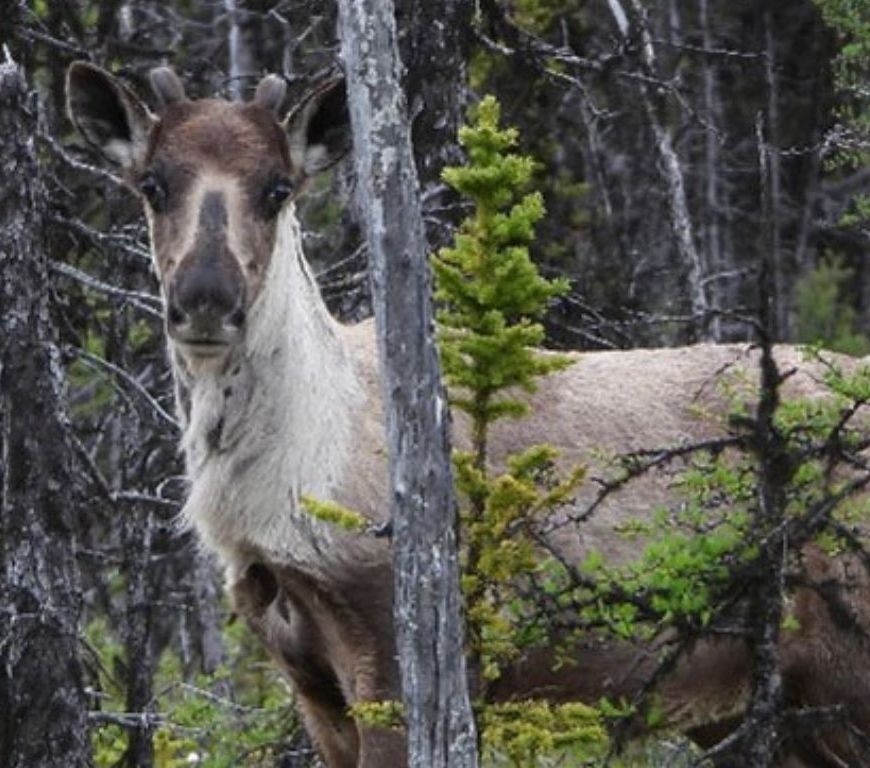
Tracy McKay and Laura Finnegan share their latest research investigating what affects ungulate occurrence  in forest harvest blocks in west-central Alberta, Canada. Five years ago, our research group developed an idea with forest companies to help conserve woodland caribou – Rangifer tarandus, the same species as the Eurasian reindeer – in western Canada. Summer after summer, our crews drove the mud and gravel roads spiderwebbing … Continue reading Forestry raises the predation risk to caribou – we found ways to reduce it

Where and how do we manage for carbon in forestry in a changing world?

Lilli Kaarakka shares findings from her team’s review article assessing the evidence for the potential of specific improved forest management (IFM) practices to sequester carbon and enhance carbon storage in forests. Humans and forests share an infinite, intertwined history; forests have provided us with food, fuel and material for building homes, as well as a place of refuge and spirituality. In the most recent part … Continue reading Where and how do we manage for carbon in forestry in a changing world?

Does logging help or harm Borneo’s bats?

Natalie Yoh and Dave Seaman discuss their recently published research article that uses remote sensing to investigate the effects of logging on aerial insectivorous bats in Southeast Asia. Findings indicate that logged forests can provide an important refuge and several species that respond predictably to logging could be targeted for biodiversity monitoring using acoustic and capture-based methods. “Bats make up around 40% of Borneo’s mammal … Continue reading Does logging help or harm Borneo’s bats?

Seed additions facilitate herb-layer restoration in a temperate oak woodland

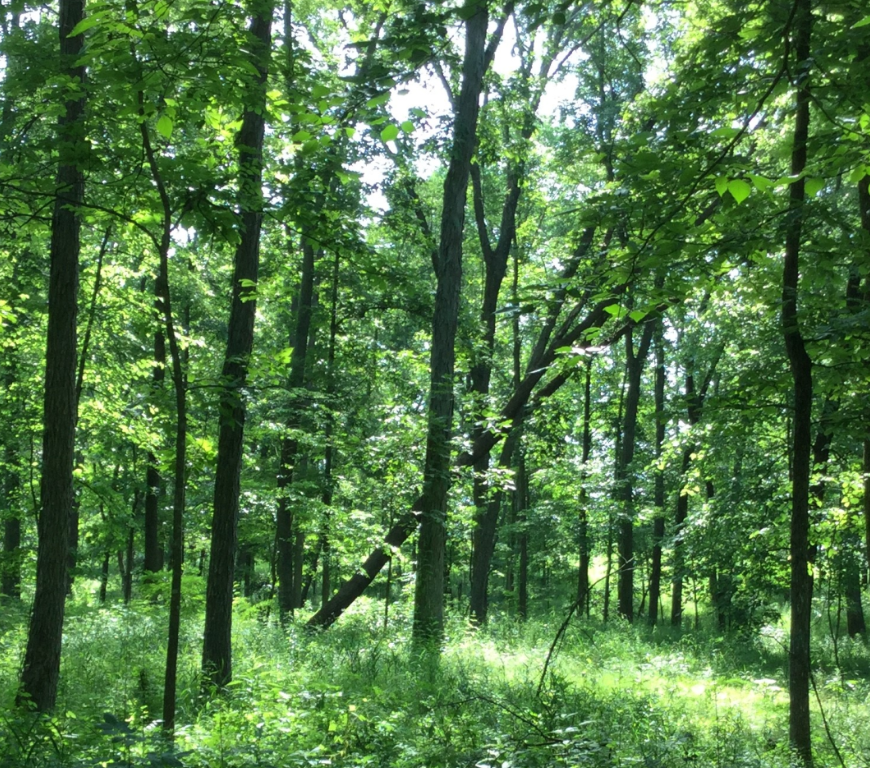
Originally posted and adapted from Natural History of Ecological Restoration blog. Andrew Kaul and colleagues present their latest research exploring whether seed additions can improve restoration outcomes in oak woodlands. Throughout most of the eastern United States, oak woodlands were once a widespread and dominant ecosystem. These woodlands experienced periodic fires, which prevented woody trees and shrubs from growing so densely that the overstory canopy … Continue reading Seed additions facilitate herb-layer restoration in a temperate oak woodland

Ricard Arasa-Gisbert: La pérdida de bosques y las matrices sin árboles causan el empobrecimiento funcional de las comunidades de árboles jóvenes en zonas de bosques antiguos en las regiones tropicales

Preseleccionados para el Premio Southwood 2022. Ricard Arasa-Gisbert discute su artículo y el de sus colegas de investigación sobre la pérdida de bosques y el empobrecimiento funcional de las comunidades de árboles jóvenes en las regiones tropicales. Continue reading Ricard Arasa-Gisbert: La pérdida de bosques y las matrices sin árboles causan el empobrecimiento funcional de las comunidades de árboles jóvenes en zonas de bosques antiguos en las regiones tropicales

Ricard Arasa-Gisbert: Forest loss and treeless matrices cause the functional impoverishment of sapling communities in old-growth forest patches across tropical regions

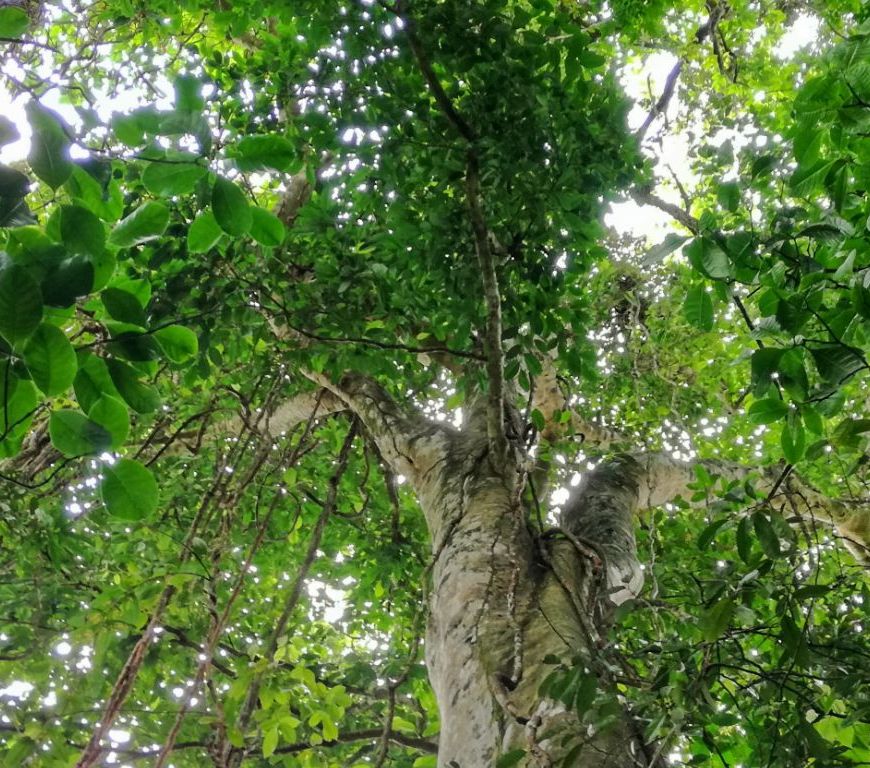
Shortlisted for the Southwood Prize 2022. Ricard Arasa-Gisbert discusses his and research colleagues’ article on forest loss and the functional impoverishment of sapling communities in tropical regions. Continue reading Ricard Arasa-Gisbert: Forest loss and treeless matrices cause the functional impoverishment of sapling communities in old-growth forest patches across tropical regions

Effective knowledge exchange in forestry: What is it and what’s effective?

Co-authors Jenna Hutchen and MJ Robertson discuss how their latest research in interdisciplinary forest science led to a typology of Knowledge Exchange practices. Managing forests is not as simple as growing or cutting down trees. Global forest management is the complex interplay of government policies and directives, cultural and spiritual values, stakeholder perspectives, and efforts from both industry and conservationists to maintain ecological functions of … Continue reading Effective knowledge exchange in forestry: What is it and what’s effective?