Editor’s Choice: 56:9 – Understanding the sensitivity of seabird populations to development pressure

As renewable energy becomes more prevalent in coastal environments, research by Julie Miller and colleagues provides important insights into the effects of anthropogenic influences on bird populations; both the risks and how these can be mitigated. Associate Editor Des Thompson and Scottish Natural Heritage ornithologist Andy Douse discuss issue 56:9‘s Editor’s Choice article. Of the globe’s birds, seabird populations are arguably among the most sensitive … Continue reading Editor’s Choice: 56:9 – Understanding the sensitivity of seabird populations to development pressure

Protecting pollinators through better road verge management

In their recent study, Ben Phillips and colleagues reveal the importance of road verges as habitats for pollinators, as well as the negative impacts of current management actions. But how can we improve the situation? Most of us spend a good part of our days travelling on roads. The remains of the animals that stare back at us from the asphalt – the victims of … Continue reading Protecting pollinators through better road verge management

Editor’s Choice 56:8 – could periodic fisheries closures become a more mainstream tool in the future?

Associate Editor, Hedley Grantham discusses our August Editor’s Choice article, Optimized fishing through periodically harvested closures by Carvalho et al. Fisheries management, and sustainable marine management more broadly, require an assembly of management strategies to be effective. Two primary fisheries management tools are catch and effort restrictions, which are often not very spatially-specific. In contrast, spatially-explicit permanent fishing closures like no-take marine reserves are an … Continue reading Editor’s Choice 56:8 – could periodic fisheries closures become a more mainstream tool in the future?

Does harvest dampen or amplify the effects of climate change on natural populations?

Gamelon et al. aim to answer this question in their recently published Commentary. The harvest-interaction hypothesis Natural populations in marine to terrestrial ecosystems are experiencing a climate that is rapidly changing. These changes can induce marked fluctuations in population size over years and lead to higher extinction risk. In addition to human-induced changes in climate, many natural populations are affected by harvest, with removal of … Continue reading Does harvest dampen or amplify the effects of climate change on natural populations?

Anyone’s game: do gamebird releases lead to increases in generalist predators?

In their new research, published this week, Henrietta Pringle and colleagues recommend the recording of gamebird releases and predator numbers. Every year, 40-50 million non-native gamebirds (ring-necked pheasant Phasianus colchius and red-legged partridge Alectoris rufa) are released in the UK, equivalent to around 46000 tonnes of biomass. Fewer than half these birds are shot, with the remaining birds predated, scavenged or surviving to breed or … Continue reading Anyone’s game: do gamebird releases lead to increases in generalist predators?

On the horizon: Plastic alternatives – the ecological impact is not always clear

Plastic and plastic pollution have been receiving a lot of attention in the media of late. But, as we explore alternative materials, how do we know what their long-term ecological impacts will be? Becky LeAnstey asks this question in our latest ‘On the horizon’ post.  A world without plastic is difficult to imagine, despite it having only been around for just over a century. Cheap manufacturing costs combined … Continue reading On the horizon: Plastic alternatives – the ecological impact is not always clear

How to prioritise management when human and natural worlds collide

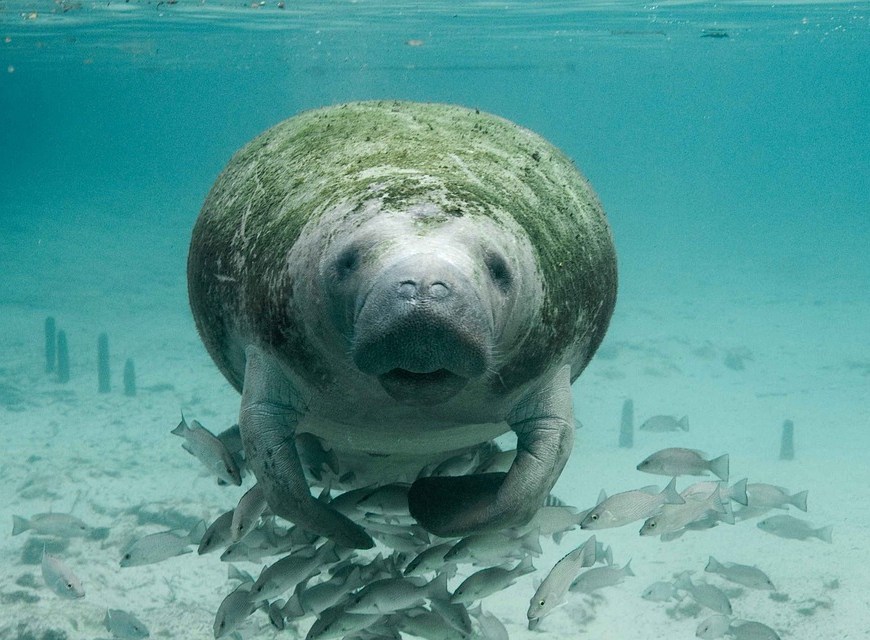
Udell et al. recently published a new way to prioritise and allocate speed restriction zones that will best protect wildlife from boat collisions. Associate Editor, Jonathan Rhodes explains how this research could be applied to a range of conservation efforts around biodiversity and human movements. Many threats to species of conservation concern arise due to collisions or interactions between species and people or between species … Continue reading How to prioritise management when human and natural worlds collide

Cost-effective options for mitigating the impacts of roads on wildlife species

Associate Editor, Sharif A. Mukul discusses the recent article by Polak et al. Optimal planning to mitigate the impacts of roads on multiple species. Road development is a continuous process that takes place even in the most remote parts of the world. In recent years the number and extent of the road have expanded dramatically worldwide. Road development can affect biodiversity, particularly wildlife, through habitat … Continue reading Cost-effective options for mitigating the impacts of roads on wildlife species

Holiday snapshots can help us to understand conservation sites

In their recent article, Quantifying wildlife watchers’ preferences to investigate the overlap between recreational and conservation value of natural areas, Mancini et al. discovered just how much a trawl through photo sharing and social media sites can tell us about conservation value. Associate Editor, Yolanda Wiersma explains more. We have all have experienced seeing someone’s holiday through their camera lens. Prior to the advent of … Continue reading Holiday snapshots can help us to understand conservation sites

Shining a light on indirect interactions

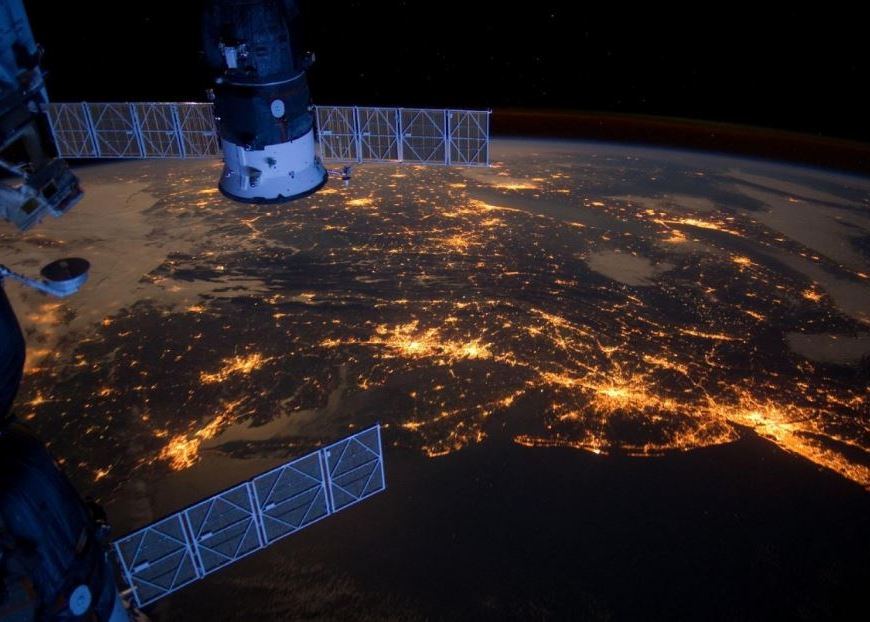
Many of us are familiar with direct effects of light pollution but how do these effects cascade and have wider implications? Associate Editor, Owen Lewis discusses the recently published article by Bennie et al. Artificial light at night causes top‐down and bottom‐up trophic effects on invertebrate populations. You’ve probably seen the images of a night-time earth taken from space: the cities of Europe and North … Continue reading Shining a light on indirect interactions