Evaluating songbird vulnerability to offshore wind turbine mortality

Leon Green-Tkacenko and co-authors share insight into their recent study that explores how existing vulnerability indices for seabirds can be applied to migrating songbirds, and potentially other migrating birds, in evaluating vulnerability to offshore wind turbine morality. What is the problem? Climate change is the most pressing threat to biodiversity in the 21st century andaddressing this threat will require substantial changes to how we generate … Continue reading Evaluating songbird vulnerability to offshore wind turbine mortality

Spearfishing-fish behavioural interactions as predator-prey systems to envision better management

Author Valerio Sbragaglia and his colleagues guide us through a recent study which advances the understanding of spearfisher-fish behavioural interaction by integrating ecological indicators (i.e., flight and post flight behaviour of fish) with spearfishers’ likelihood to catch a fish. Through modelling and simulating scenarios, their study sheds light on management implications in exploited fish populations. Exploring spearfishing and fish behaviour If you ask spearfishers, they … Continue reading Spearfishing-fish behavioural interactions as predator-prey systems to envision better management

Tracking koalas – how airborne DNA can help us

In this blog post, Nicola Jackson shares the findings from their latest study looking at how sampling air particles to detect DNA can be useful in monitoring and conserving koalas. Perched high up in a Eucalyptus tree, swaying from side to side, lies a sleepy koala unaware of the means spent each year trying to obtain accurate baseline information about its presence. We have thrown … Continue reading Tracking koalas – how airborne DNA can help us

Combining local ecological knowledge with camera traps: African mammal life-history traits and their occurrence in anthropogenic landscapes

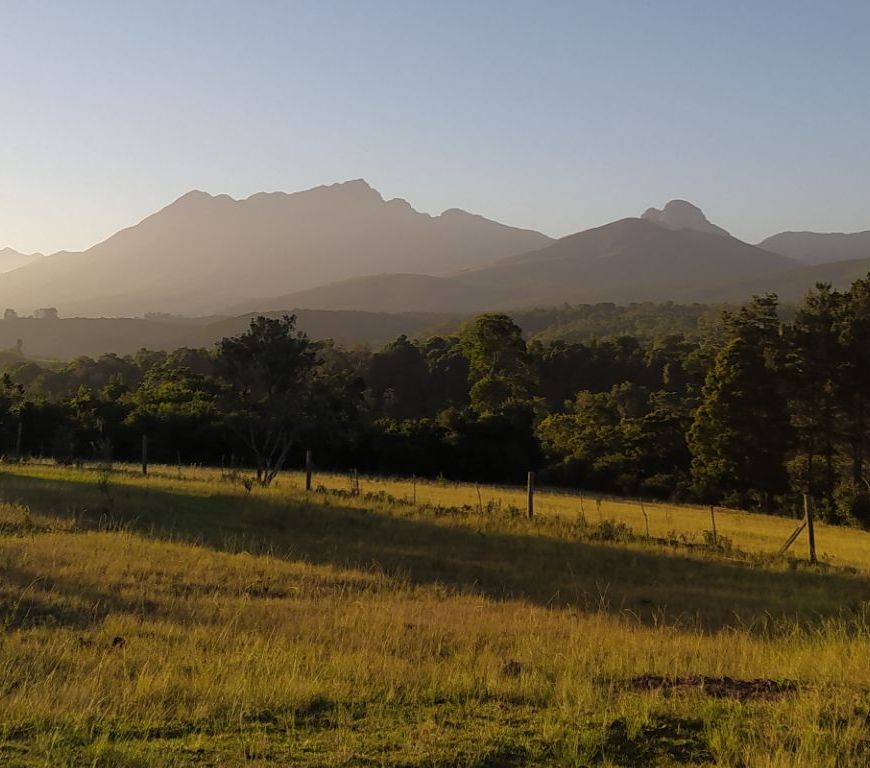
Alice Bernard and co-authors describe how they have jointly used local ecological knowledge and camera trap data. With hindsight, they discuss how involving local people in research projects can enhance conservation efforts in the Garden Route Biosphere Reserve (GRBR), South Africa. The Garden Route National Park (GRNP), in the eponym Biosphere Reserve, is one of the only truly unfenced National Parks in South Africa. The … Continue reading Combining local ecological knowledge with camera traps: African mammal life-history traits and their occurrence in anthropogenic landscapes

Grassland nature reserves safeguard a high species richness and biomass of grasshoppers

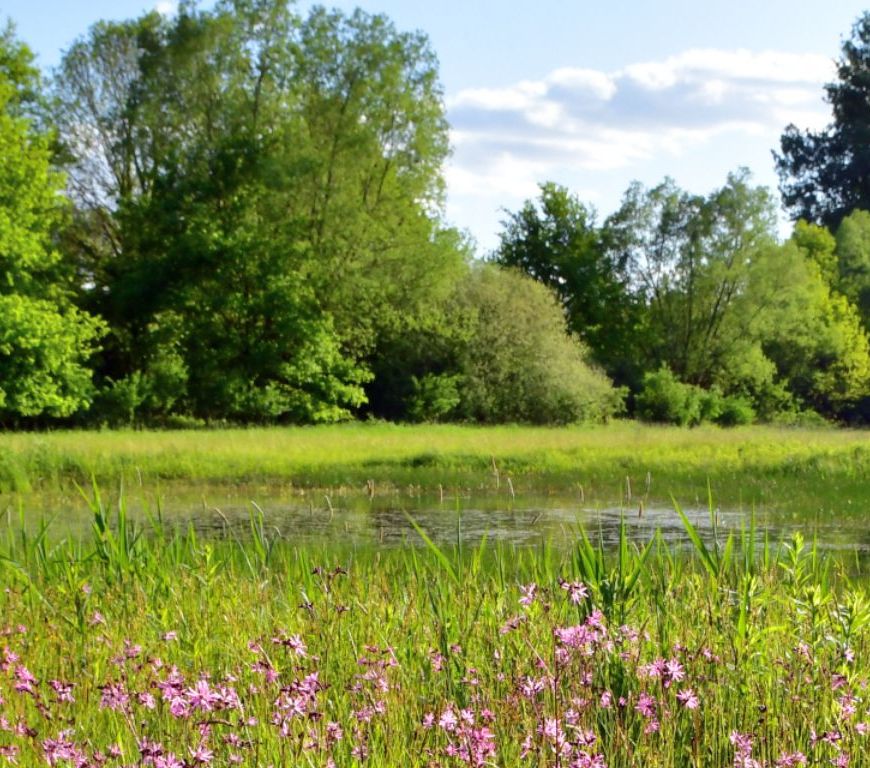
This blog post is also available in German here. Dominik Poniatowski and colleagues describe how they evaluated the environmental drivers of species richness and biomass of grasshoppers in grasslands, comparing this between nature reserves and intensively-used agriculture landscape. Grassland exhibiting low land-use intensity is considered a hotspot of biodiversity in Central Europe. However, particularly since the mid-20th century, grassland land use has often been intensified, … Continue reading Grassland nature reserves safeguard a high species richness and biomass of grasshoppers

Naturschutzgebiete mit einem hohen Anteil an Grünland sichern einen hohen Artenreichtum und eine hohe Biomasse von Heuschrecken

Dieser Beitrag ist hier auch auf Englisch verfügbar. Dominik Poniatowski und Kollegen beschreiben, wie sie die Umweltfaktoren des Artenreichtums und der Biomasse von Heuschrecken im Grünland bewertet und dabei zwischen Naturschutzgebieten und intensiv genutzter Agrarlandschaft verglichen haben. Das extensiv genutzte Grünland gilt als Hotspot der Biodiversität in Mitteleuropa. Allerdings wurde insbesondere seit Mitte des letzten Jahrhunderts die Nutzung auf vielen dieser Flächen intensiviert oder das … Continue reading Naturschutzgebiete mit einem hohen Anteil an Grünland sichern einen hohen Artenreichtum und eine hohe Biomasse von Heuschrecken

Elephant expressways: Examining multi-scalar elephant connectivity in KAZA

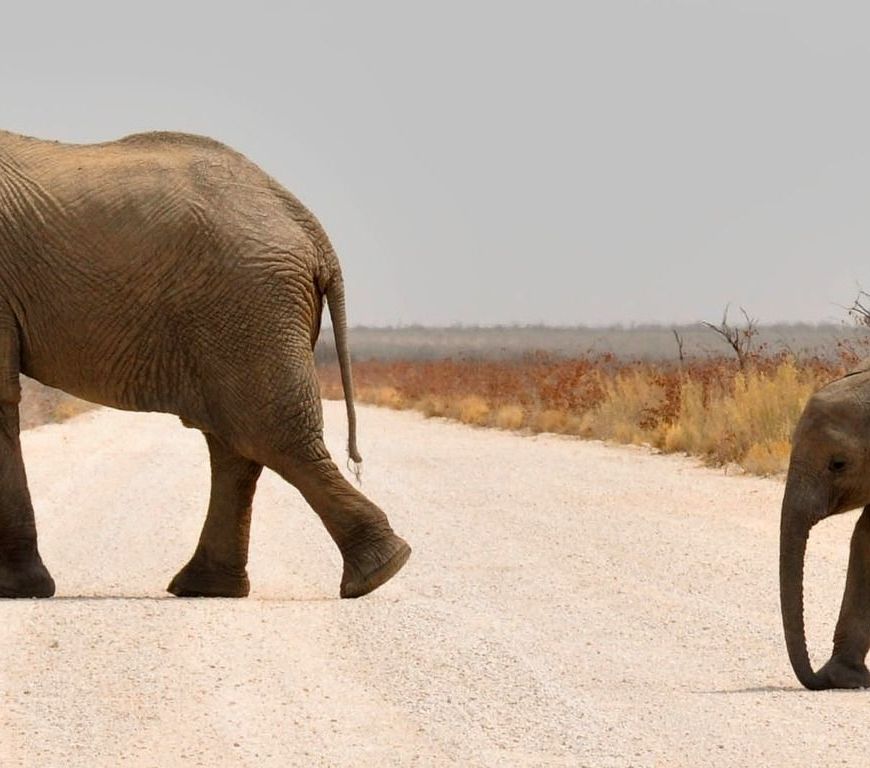
Callie Cho and Robin Naidoo talk us through how, using observed animal movements rather than conventional resistance surface models, a connectivity conservation blueprint for African elephants in the Kavango-Zambezi transfrontier conservation area (KAZA) in southern Africa was produced. This is explored further in the new research article. A key aspect of effective conservation management is understanding landscape connectivity—how easily animals can move between vital resource … Continue reading Elephant expressways: Examining multi-scalar elephant connectivity in KAZA

Using management interventions to help at-risk butterflies in a changing climate

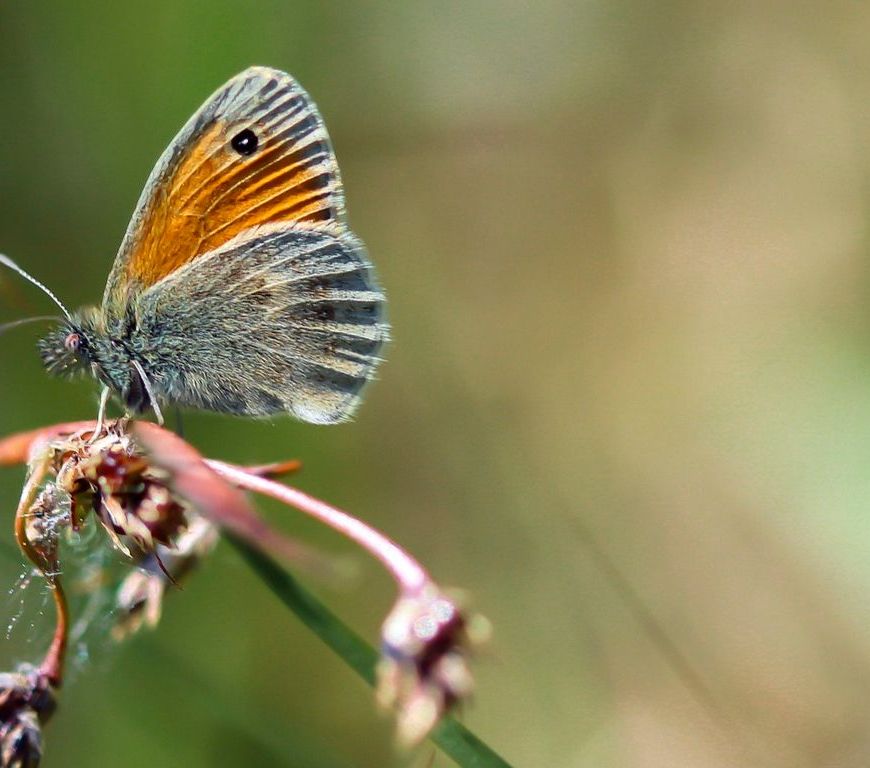
Author Cheryl Schultz talks us through a new study which highlights the importance of active management interventions in helping to buffer effects of climate change, and helping to improve population trends for at-risk butterflies. Where did the idea come from? With extensive coverage in academic and popular publications, the widespread decline of butterflies is well-known. Butterflies face a triumvirate of threats: the cumulative effects of … Continue reading Using management interventions to help at-risk butterflies in a changing climate

Integrated policies could help solar farms fulfil their climate and ecological potentials

In their latest Policy Direction, authors Fabio Carvalho, Hollie Blaydes and Alona Armstrong highlight key policy implications in relation to solar farm development and operation, and their usage in both addressing climate change and providing ecosystem benefits. Back in April last year, we wrote about the need to gather standardised evidence on the impacts of solar farms on hosting ecosystems to inform industry best practice … Continue reading Integrated policies could help solar farms fulfil their climate and ecological potentials

Salvage logging and subsequent post-windthrow management diminish forest bird communities for two decades

In this blog post, Michał Walesiak shares how increased bird diversity in an area of unmanaged windthrow persisted over a 20-year span in Poland. Natural disturbances in forests, such as hurricanes, fires, bark beetle outbreaks, often evoke negative emotions in people. Many find it hard to believe that hurricanes, fires, bark beetles… may actually bring some benefits to nature, such as increase in biodiversity! This … Continue reading Salvage logging and subsequent post-windthrow management diminish forest bird communities for two decades