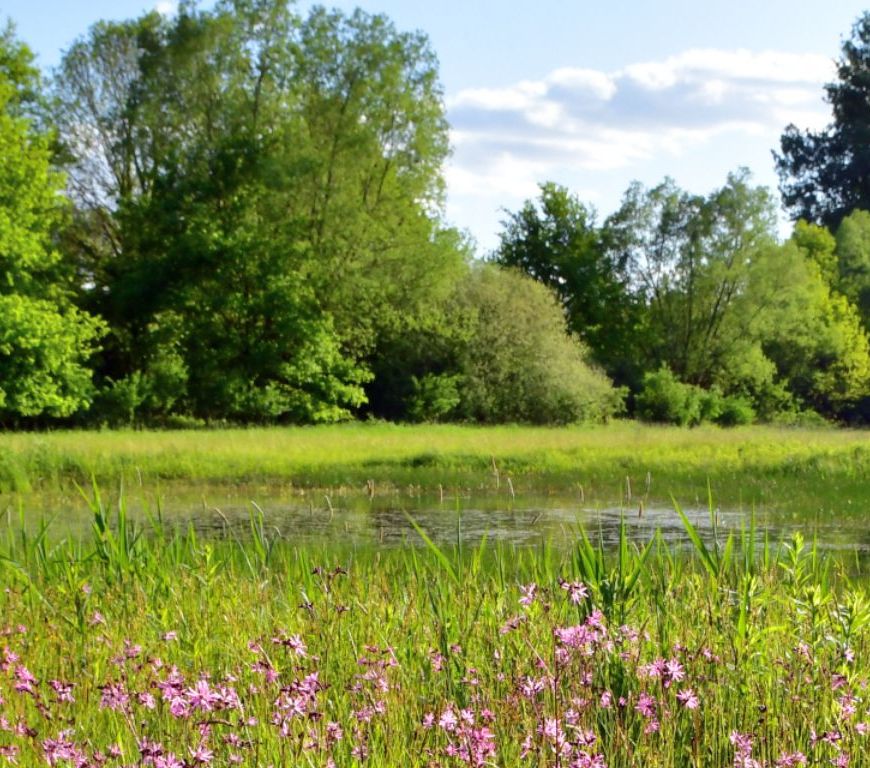
Naturschutzgebiete mit einem hohen Anteil an Grünland sichern einen hohen Artenreichtum und eine hohe Biomasse von Heuschrecken

Dieser Beitrag ist hier auch auf Englisch verfügbar. Dominik Poniatowski und Kollegen beschreiben, wie sie die Umweltfaktoren des Artenreichtums und der Biomasse von Heuschrecken im Grünland bewertet und dabei zwischen Naturschutzgebieten und intensiv genutzter Agrarlandschaft verglichen haben. Das extensiv genutzte Grünland gilt als Hotspot der Biodiversität in Mitteleuropa. Allerdings wurde insbesondere seit Mitte des letzten Jahrhunderts die Nutzung auf vielen dieser Flächen intensiviert oder das … Continue reading Naturschutzgebiete mit einem hohen Anteil an Grünland sichern einen hohen Artenreichtum und eine hohe Biomasse von Heuschrecken

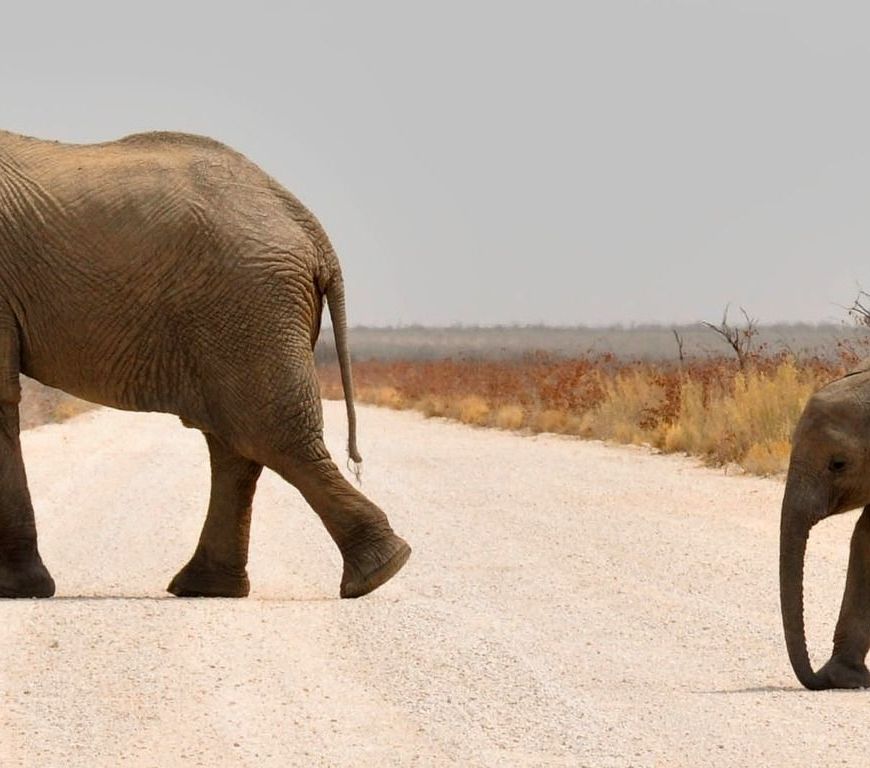
Elephant expressways: Examining multi-scalar elephant connectivity in KAZA

Callie Cho and Robin Naidoo talk us through how, using observed animal movements rather than conventional resistance surface models, a connectivity conservation blueprint for African elephants in the Kavango-Zambezi transfrontier conservation area (KAZA) in southern Africa was produced. This is explored further in the new research article. A key aspect of effective conservation management is understanding landscape connectivity—how easily animals can move between vital resource … Continue reading Elephant expressways: Examining multi-scalar elephant connectivity in KAZA

Using management interventions to help at-risk butterflies in a changing climate

Author Cheryl Schultz talks us through a new study which highlights the importance of active management interventions in helping to buffer effects of climate change, and helping to improve population trends for at-risk butterflies. Where did the idea come from? With extensive coverage in academic and popular publications, the widespread decline of butterflies is well-known. Butterflies face a triumvirate of threats: the cumulative effects of … Continue reading Using management interventions to help at-risk butterflies in a changing climate

Integrated policies could help solar farms fulfil their climate and ecological potentials

In their latest Policy Direction, authors Fabio Carvalho, Hollie Blaydes and Alona Armstrong highlight key policy implications in relation to solar farm development and operation, and their usage in both addressing climate change and providing ecosystem benefits. Back in April last year, we wrote about the need to gather standardised evidence on the impacts of solar farms on hosting ecosystems to inform industry best practice … Continue reading Integrated policies could help solar farms fulfil their climate and ecological potentials

Salvage logging and subsequent post-windthrow management diminish forest bird communities for two decades

In this blog post, Michał Walesiak shares how increased bird diversity in an area of unmanaged windthrow persisted over a 20-year span in Poland. Natural disturbances in forests, such as hurricanes, fires, bark beetle outbreaks, often evoke negative emotions in people. Many find it hard to believe that hurricanes, fires, bark beetles… may actually bring some benefits to nature, such as increase in biodiversity! This … Continue reading Salvage logging and subsequent post-windthrow management diminish forest bird communities for two decades

A safe passage: Protecting migratory birds in the North Sea

Maja Bradarić summarises how, alongside colleagues, they used 5 years of tracking bird radar data, weather and phenological variables to develop seasonal forecasts of bird migration over the southern North Sea. These forecasts of nocturnal bird migration may be used to define curtailment thresholds for offshore wind energy. In May 2023, turbines in two offshore wind farms in the Dutch North Sea came to a virtual … Continue reading A safe passage: Protecting migratory birds in the North Sea

Does incorporating complexity into coastal engineering increase fish diversity along urban shorelines?

Authors of a recently published research article explain how, to enhance fish diversity, it is important to provide three-dimensional habitat architecture that incorporates a wide range of microhabitat sizes and types.  Habitat complexity Habitat complexity is a key driver of marine fish diversity and essential for determining structure and function of fish communities. Many fishes use benthic habitat features (e.g. holes, crevices, vertical reliefs, and … Continue reading Does incorporating complexity into coastal engineering increase fish diversity along urban shorelines?

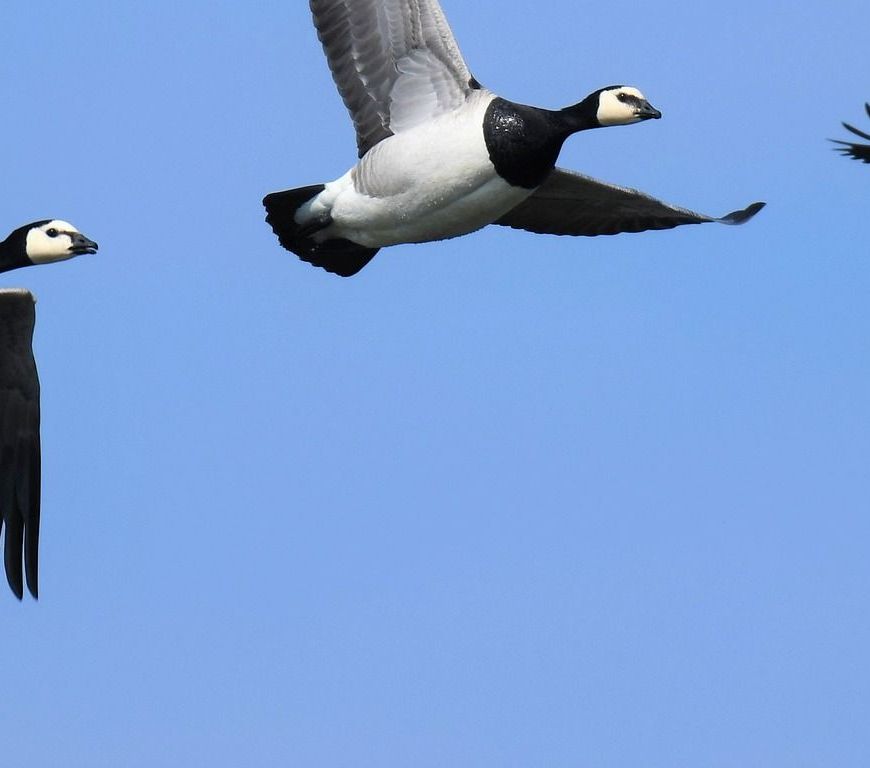
Aimée McIntosh: Modelling harvest of Greenland barnacle geese and its implications in mitigating human–wildlife conflict

Shortlisted for the 2023 Southwood Prize Aimée McIntosh talks us through how she and colleagues constructed an integrated population model to assess the cumulative impact of all shooting harvest on the Greenland barnacle goose. Findings demonstrate the impact of local harvests on global abundance, emphasising the importance of internationally coordinated monitoring and management strategies of migratory species. From conservation success to conflict Unlike many migratory … Continue reading Aimée McIntosh: Modelling harvest of Greenland barnacle geese and its implications in mitigating human–wildlife conflict

Elizabeth Tinsley: Bats are avoiding solar sites

Shortlisted for the 2023 Southwood Prize Elizabeth Tinsley talks us through how she and colleagues conducted a paired study at 19 ground-mounted solar PV developments in southwest England. Through the use of static detectors to record bat echolocation calls and the development of generalised linear mixed-effect models, it was determined that ground-mounted solar photovoltaic developments have a significant negative effect on bat activity. Bats and … Continue reading Elizabeth Tinsley: Bats are avoiding solar sites

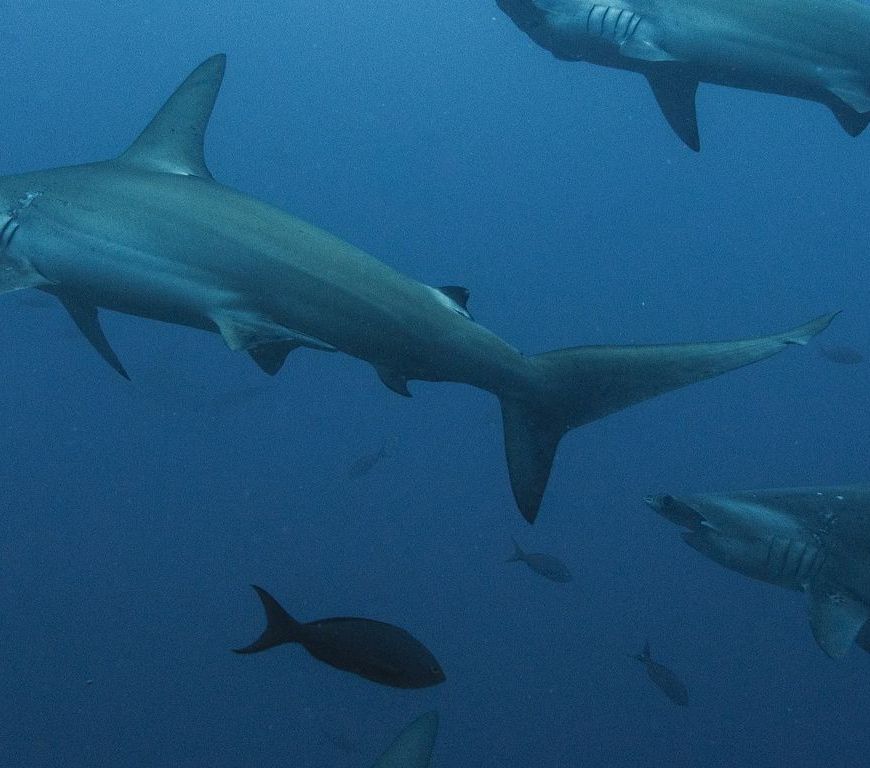
Lucien Besnard: Mercury isotope clocks predict coastal residency and migration timing of hammerhead sharks

Shortlisted for the 2023 Southwood Prize Lucien Besnard reflects on how he and colleagues used mercury isotopes, within the framework of isotopic clocks, to provide a more precise assessment of hammerhead shark movement. As a result, this method may be used as a complementary tool for stock management through predicting the timing of animal migration – a key aspect in the conservation of marine taxa. … Continue reading Lucien Besnard: Mercury isotope clocks predict coastal residency and migration timing of hammerhead sharks