A safe passage: Protecting migratory birds in the North Sea

Maja Bradarić summarises how, alongside colleagues, they used 5 years of tracking bird radar data, weather and phenological variables to develop seasonal forecasts of bird migration over the southern North Sea. These forecasts of nocturnal bird migration may be used to define curtailment thresholds for offshore wind energy. In May 2023, turbines in two offshore wind farms in the Dutch North Sea came to a virtual … Continue reading A safe passage: Protecting migratory birds in the North Sea

Does incorporating complexity into coastal engineering increase fish diversity along urban shorelines?

Authors of a recently published research article explain how, to enhance fish diversity, it is important to provide three-dimensional habitat architecture that incorporates a wide range of microhabitat sizes and types.  Habitat complexity Habitat complexity is a key driver of marine fish diversity and essential for determining structure and function of fish communities. Many fishes use benthic habitat features (e.g. holes, crevices, vertical reliefs, and … Continue reading Does incorporating complexity into coastal engineering increase fish diversity along urban shorelines?

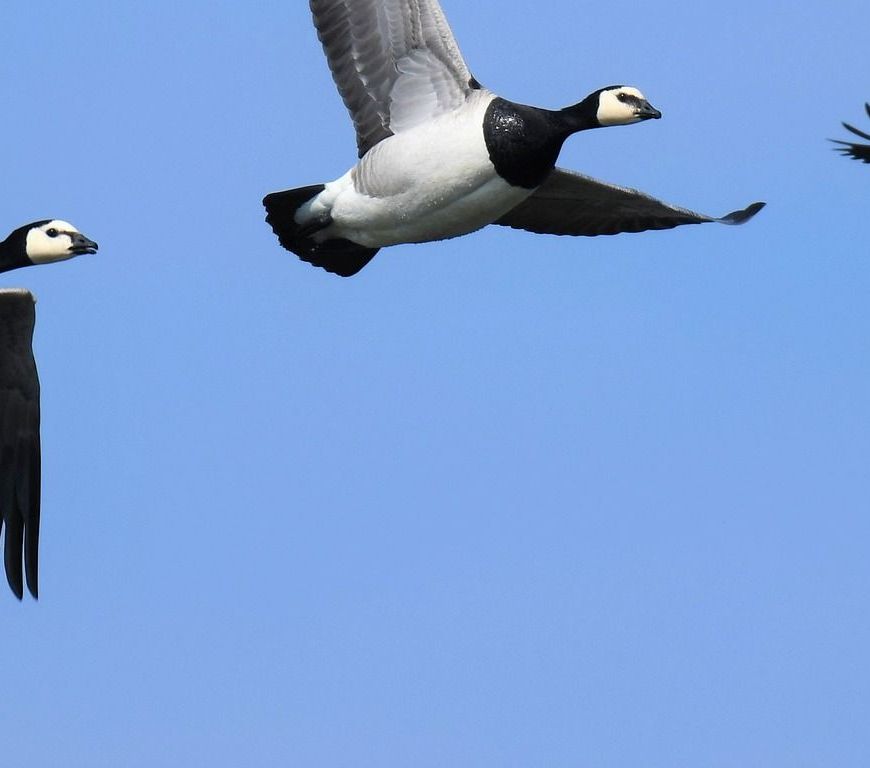
Aimée McIntosh: Modelling harvest of Greenland barnacle geese and its implications in mitigating human–wildlife conflict

Shortlisted for the 2023 Southwood Prize Aimée McIntosh talks us through how she and colleagues constructed an integrated population model to assess the cumulative impact of all shooting harvest on the Greenland barnacle goose. Findings demonstrate the impact of local harvests on global abundance, emphasising the importance of internationally coordinated monitoring and management strategies of migratory species. From conservation success to conflict Unlike many migratory … Continue reading Aimée McIntosh: Modelling harvest of Greenland barnacle geese and its implications in mitigating human–wildlife conflict

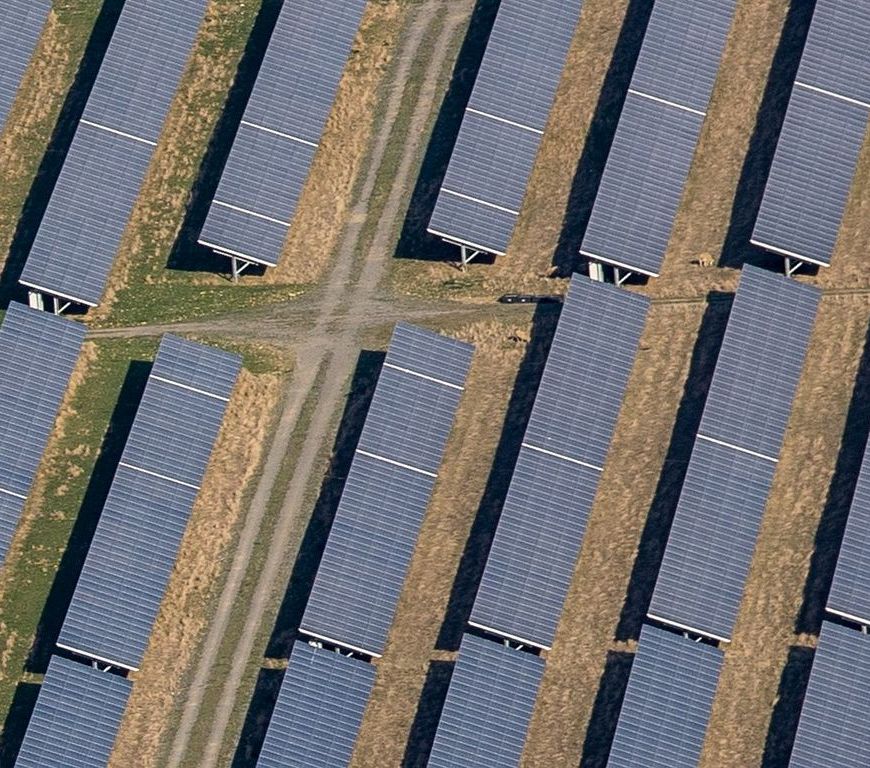
Elizabeth Tinsley: Bats are avoiding solar sites

Shortlisted for the 2023 Southwood Prize Elizabeth Tinsley talks us through how she and colleagues conducted a paired study at 19 ground-mounted solar PV developments in southwest England. Through the use of static detectors to record bat echolocation calls and the development of generalised linear mixed-effect models, it was determined that ground-mounted solar photovoltaic developments have a significant negative effect on bat activity. Bats and … Continue reading Elizabeth Tinsley: Bats are avoiding solar sites

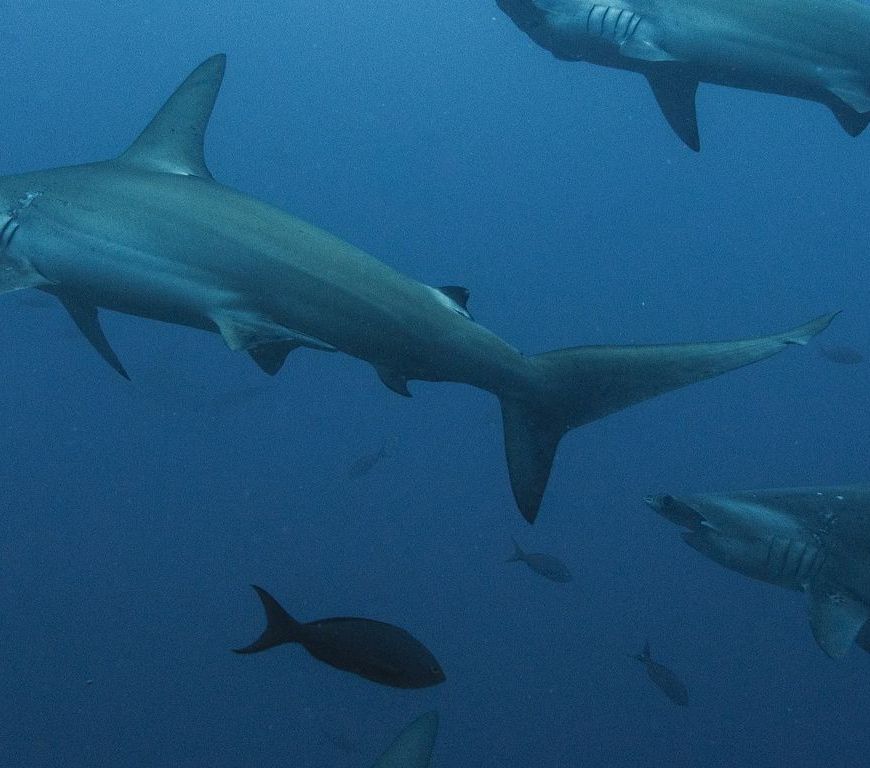
Lucien Besnard: Mercury isotope clocks predict coastal residency and migration timing of hammerhead sharks

Shortlisted for the 2023 Southwood Prize Lucien Besnard reflects on how he and colleagues used mercury isotopes, within the framework of isotopic clocks, to provide a more precise assessment of hammerhead shark movement. As a result, this method may be used as a complementary tool for stock management through predicting the timing of animal migration – a key aspect in the conservation of marine taxa. … Continue reading Lucien Besnard: Mercury isotope clocks predict coastal residency and migration timing of hammerhead sharks

Salomé Jaramillo Gil: Whale shark and ecotourism management

Shortlisted for the 2023 Southwood Prize Salomé Jaramillo Gil talks us through her research, conducted with colleagues, which aimed to predict whale shark abundance. Through results obtained via modelling and photo identification, it is suggested that local authorities apply the model each spring. Ecotourism and conservation Nowadays, ecotourism with wildlife has witnessed unprecedented growth, attracting tourists seeking immersive experiences with nature. However, when ecotourism guidelines … Continue reading Salomé Jaramillo Gil: Whale shark and ecotourism management

Andrea Radici: Looking for winners and losers of marine resources management

Shortlisted for the 2023 Southwood Prize Andrea Radici talks us through his team’s development of a comprehensive metapopulation framework, which provides a tool for assessing area-based management measures aimed at improving fisheries outcomes and describing the spatial distribution of costs and benefits. This can help guide effective spatially-distributed management. Ecosystems and mathematics In Chapter 151 of The Curious Incident of the Dog in the Night-Time, … Continue reading Andrea Radici: Looking for winners and losers of marine resources management

Supporting butterflies within smallholding oil palm plantations

Martina Harianja discusses the latest research into butterfly assemblages detailing how, alongside colleagues, they recorded over 1200 butterflies across 27 different oil palm plantations. Findings suggest that replanting oil palm and choice of mono or polyculture had relatively few effects on butterflies. However, management for specific features in plantations could benefit butterfly assemblages. Continue reading Supporting butterflies within smallholding oil palm plantations

Menyokong rama-rama dalam ladang kelapa sawit pekebun kecil

Martina Harianja membincangkan penyelidikan terkini mengenai perhimpunan rama-rama yang memperincikan bagaimana, bersama rakan sekerja, mereka merekodkan lebih 1200 rama-rama di 27 ladang kelapa sawit yang berbeza. Penemuan menunjukkan bahawa penanaman semula kelapa sawit dan pilihan mono atau polikultur mempunyai sedikit kesan pada rama-rama. Walau bagaimanapun, pengurusan untuk ciri-ciri tertentu di ladang boleh memberi manfaat kepada pemasangan rama-rama. Continue reading Menyokong rama-rama dalam ladang kelapa sawit pekebun kecil

Mendukung kupu-kupu di perkebunan kelapa sawit milik petani kecil

Martina Harianja membahas penelitian terbaru tentang kumpulan kupu-kupu yang merinci bagaimana, bersama rekan-rekannya, mereka mencatat lebih dari 1200 kupu-kupu di 27 perkebunan kelapa sawit yang berbeda. Temuan menunjukkan bahwa peremajaan kelapa sawit dan pilihan mono atau polikultur memiliki efek yang relatif kecil pada kupu-kupu. Namun, manajemen untuk fitur spesifik di perkebunan dapat menguntungkan kumpulan kupu-kupu. Continue reading Mendukung kupu-kupu di perkebunan kelapa sawit milik petani kecil