Humans drive spatial variation in mortality risk for a threatened wolf population in a Canis hybrid zone

John Benson shares recent research, conducted alongside colleagues, which monitored the movement of eastern wolves in Algonquin Provincial Park, Canada. Results suggest that eastern wolves and dispersing canids survive poorly outside of APP, primarily due to human-caused mortality. Thus, expanding the threatened population outside of APP is unlikely under current management conditions. The challenge of human-caused mortality for threatened, hybridizing wolves in Canada When large … Continue reading Humans drive spatial variation in mortality risk for a threatened wolf population in a Canis hybrid zone

Climate challenges in savannas: How herbivore communities chart the course

Dr. Katja Irob summarises their latest study, conducted alongside colleagues, which analysed the impacts of climate change and rangeland management on degradation in Savanna ecosystems of southern Africa. Findings suggest that, in the face of climate uncertainty, farmers’ most effective strategy for securing their livelihoods and ecosystem stability is to integrate browsers and apply management of mixed herbivore communities.  Savannas as hot spots of environmental … Continue reading Climate challenges in savannas: How herbivore communities chart the course

Weather forecasts can help us save migratory birds from collisions with city buildings

In their latest research article, Sara Kross, Katherine Chen, Benjamin Van Doren and colleagues utilise 5 years of bird collision counts in New York City to determine the influence of nocturnal weather conditions and bird migration traffic rates on collisions with buildings. Migration is already a particularly dangerous part of the annual life cycle of many birds, and it’s estimated that collisions with windows kills up … Continue reading Weather forecasts can help us save migratory birds from collisions with city buildings

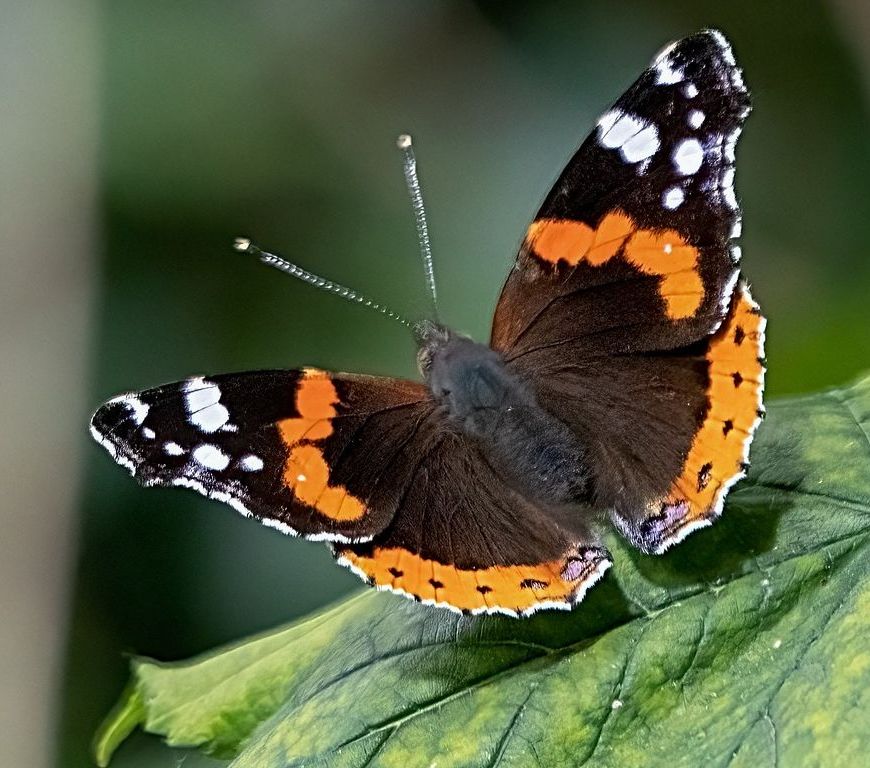
What butterflies tell us about greenspace management in urban developments

Dr Joseph Cooper, from the British Trust for Ornithology, shares recent research conducted alongside colleagues which saw the development of models. These models provide the foundation through which butterfly abundance could be integrated into an urban biodiversity assessment tool, providing species- and community-level statistics to non-specialists from the urban planning and design sector. The prevailing view on new housing is it is built at the … Continue reading What butterflies tell us about greenspace management in urban developments

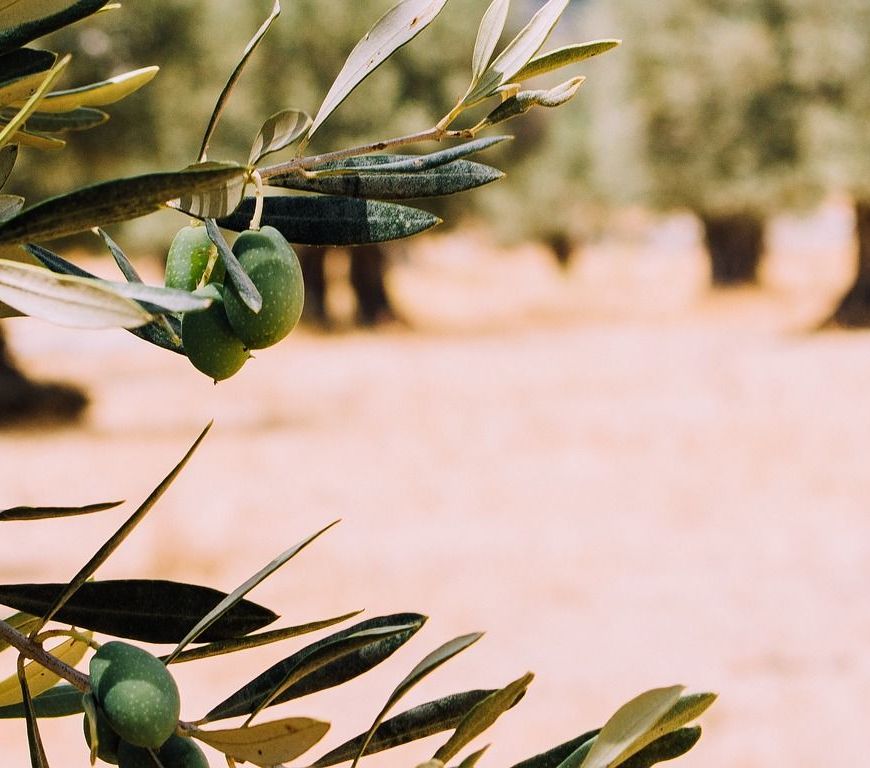
Temporal mismatches in flight activity patterns between Pipistrellus kuhlii and Prays oleae in olive farms: Implications for biocontrol services potential

In this blog post José M. Herrera discusses their latest research, conducted alongside co-authors, which looks at the temporal relationship between the nightly activity patterns of the common pipistrelle bat (Pipistrellus kuhlii) and the olive fruit moth (Prays oleae). To enhance biocontrol services, they propose increasing the availability of suitable roosting and foraging sites as well as conserving areas of remnant native woodland and scattered … Continue reading Temporal mismatches in flight activity patterns between Pipistrellus kuhlii and Prays oleae in olive farms: Implications for biocontrol services potential

Bed or breakfast? Roe deer balance food and safety according to crop phenology

Noa Rigoudy and co-authors talk us through their latest work, highlighting how behavioural adjustment may buffer the consequences of the reduction in natural habitats that accompanies intensification of agricultural production. This has implications for understanding how agricultural practices shape the food-safety trade-off of wildlife living in these highly modified landscapes. Wildlife in agroecosystems The life cycle of plants (i.e., their phenology) influences how food is … Continue reading Bed or breakfast? Roe deer balance food and safety according to crop phenology

How using multiple surveillance methods can help us track low prevalence disease

Abigail Feuka discusses how she, alongside colleagues, employed three surveillance methods to estimate the probability of presence and spread of a low-prevalence pathogen at a landscape scale under incomplete sampling coverage. Wildlife disease The COVID-19 pandemic has brought disease transmission from animals to humans into the public spotlight. But studying wildlife disease can be tricky, especially low prevalence diseases, where proportionally few individuals in a … Continue reading How using multiple surveillance methods can help us track low prevalence disease

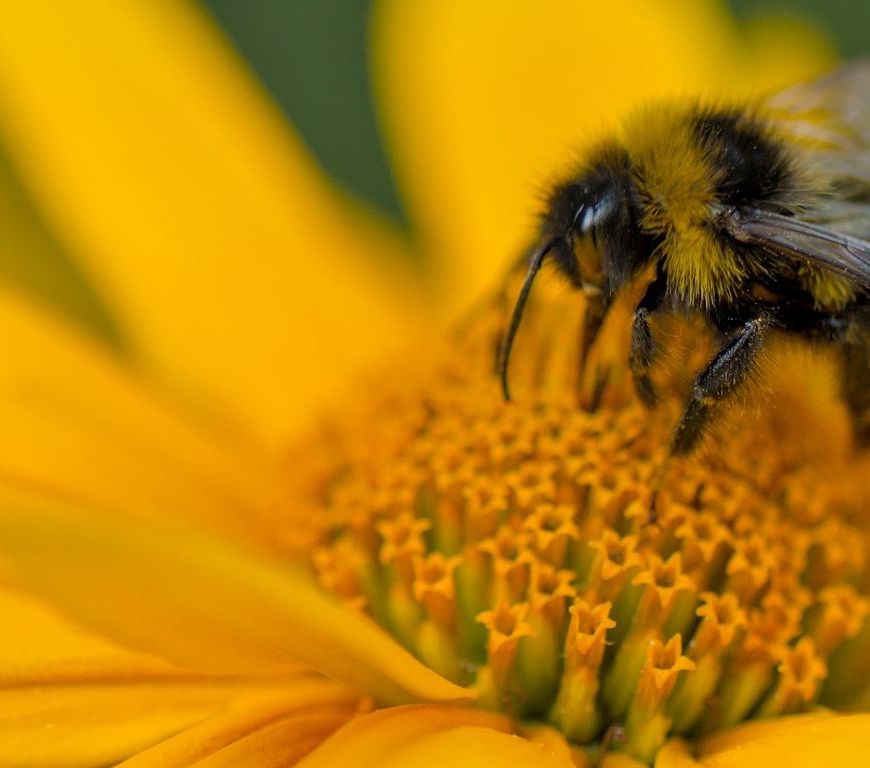
Bees go up, flowers go down: When are flowers needed most in agricultural areas?

Gabriella Bishop introduces us to the latest study, conducted alongside colleagues, which indicates that agri-environmental management should target the provision of summer floral resources for both social and solitary bees. Bees in intensive agricultural landscapes Bees need flowers for food and reproduction. Previously, agricultural areas contained small fields with undisturbed borders and flower-rich pastures that provided bees with the resources they need. The transition to … Continue reading Bees go up, flowers go down: When are flowers needed most in agricultural areas?

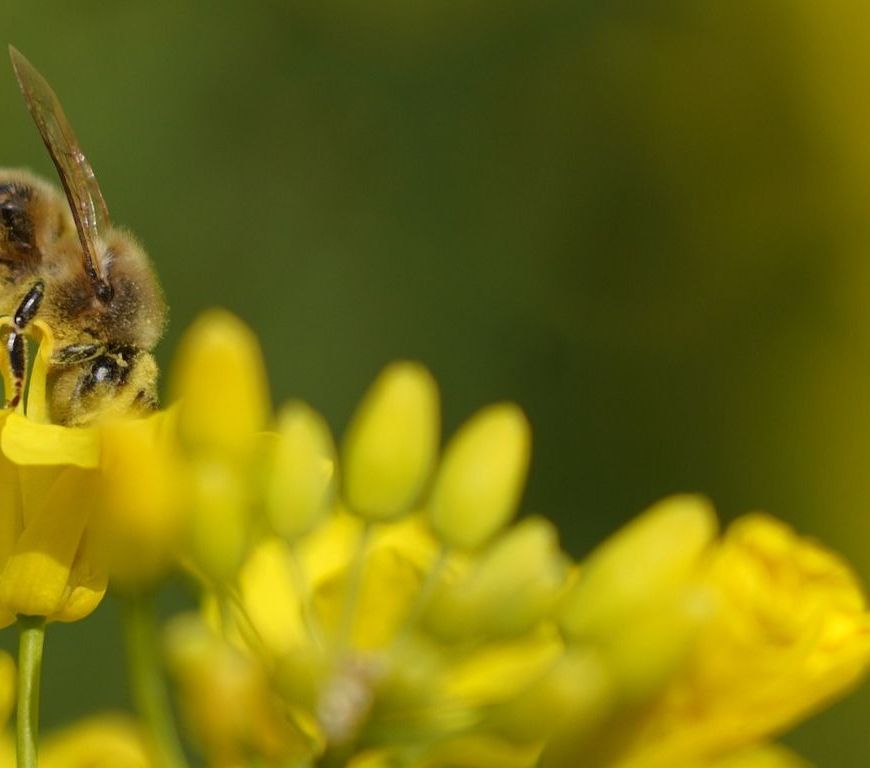
Unravelling the seasonal dance: How flowering crops impact wild pollinators

Laura Riggi talks us through the latest research, conducted with colleagues, which confirms that mass-flowering crop cultivation alone is unlikely to be sufficient for maintaining pollinators. However, as part of carefully designed diverse crop rotations or mixtures combined with the preservation of permanent non-crop habitats, it might provide valuable supplementary food resources for pollinators in temperate agroecosystems, particularly later in the season when alternative flower … Continue reading Unravelling the seasonal dance: How flowering crops impact wild pollinators

The hidden values of the Wadden Sea

In this blog post, Paula de la Barra and Allert Bijleveld discuss their latest research, conducted alongside Geert Aarts. This work focusses on gas extraction under intertidal mudflats, and the impact that this has on macrozoobenthic communities and sediment. The importance of the Wadden Sea Every day the tide covers and reveals thousands of square kilometres of sand and mudflats in the Wadden Sea, the … Continue reading The hidden values of the Wadden Sea