Unravelling the seasonal dance: How flowering crops impact wild pollinators

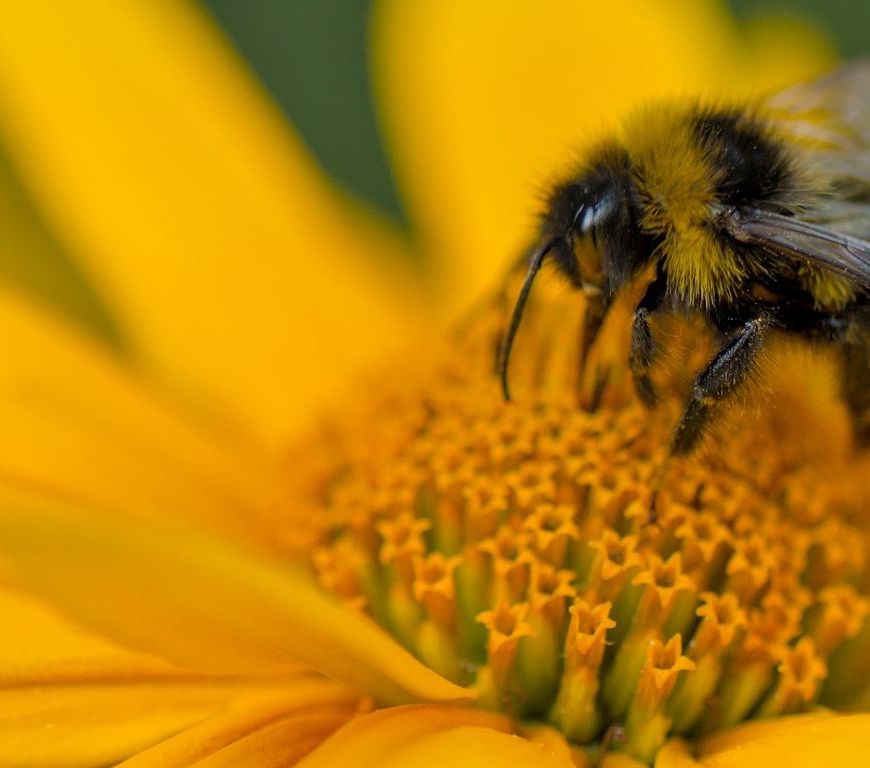
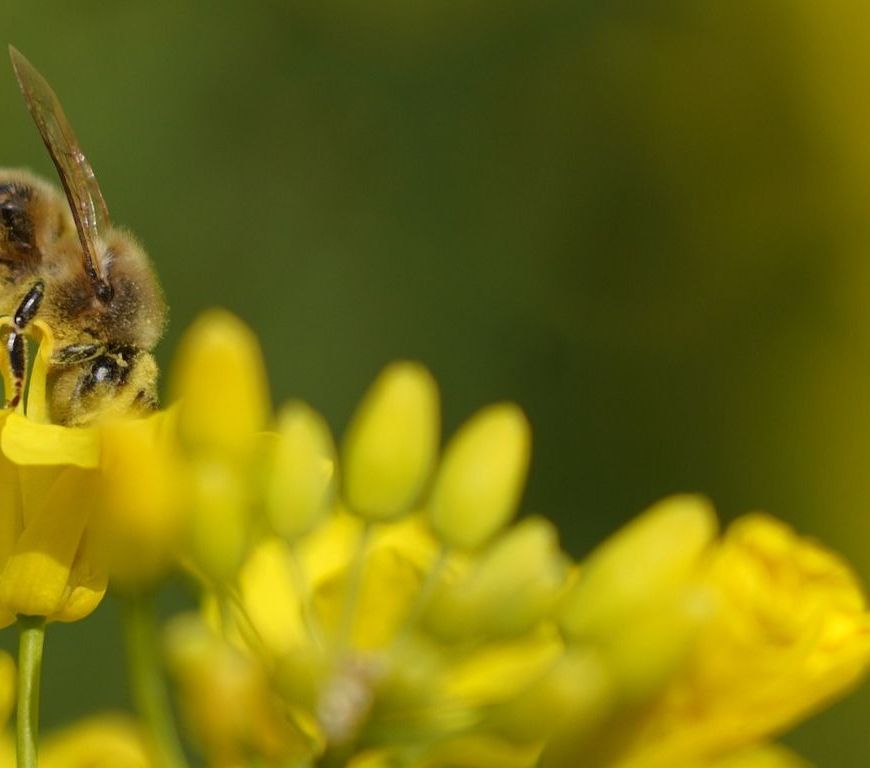
Laura Riggi talks us through the latest research, conducted with colleagues, which confirms that mass-flowering crop cultivation alone is unlikely to be sufficient for maintaining pollinators. However, as part of carefully designed diverse crop rotations or mixtures combined with the preservation of permanent non-crop habitats, it might provide valuable supplementary food resources for pollinators in temperate agroecosystems, particularly later in the season when alternative flower … Continue reading Unravelling the seasonal dance: How flowering crops impact wild pollinators

The hidden values of the Wadden Sea

In this blog post, Paula de la Barra and Allert Bijleveld discuss their latest research, conducted alongside Geert Aarts. This work focusses on gas extraction under intertidal mudflats, and the impact that this has on macrozoobenthic communities and sediment. The importance of the Wadden Sea Every day the tide covers and reveals thousands of square kilometres of sand and mudflats in the Wadden Sea, the … Continue reading The hidden values of the Wadden Sea

Research stories: Maps and models to curb the spread of the abominable puncturevine

Trevor Caughlin and co-authors describe how the local impacts of an invasive plant motivated research to understand where it spreads. Biological invasions threaten global biodiversity, motivating studies to control invasive species’ spread. We studied outbreaks of puncturevine (Tribulus terrestris), an invasive species in Western North America. While our team appreciates the global threats posed by invasive species, the motivation for our newly published study was … Continue reading Research stories: Maps and models to curb the spread of the abominable puncturevine

Predicting dispersal and conflict risk for wolf recolonisation in Colorado

Mark Ditmer discusses his and colleagues’ new research which aims to predict wolf movement and potential conflict hotspots following the state of Colorado’s decision to reintroduce gray wolves. This data may be used to offer practical, actionable recommendations for decision-makers. Animal movement and conflict risk Species’ ranges are shifting – and accurately predicting the way species disperse in novel areas can greatly enhance conservation efforts. … Continue reading Predicting dispersal and conflict risk for wolf recolonisation in Colorado

Questioning the Evidence: Re-analyzing studies on the impact of mechanical dredging on invertebrate communities and associated bird life in the Dutch Wadden Sea

Eelke Folmer and Jaap van der Meer talk about their recent Forum paper which comments on an earlier research article, and discuss the importance of evidence based decisions in policy. Background In the coming decades, the growth of the global human population will lead to an increase in food demands. This, in turn, is likely to result in a rise in the extraction of marine … Continue reading Questioning the Evidence: Re-analyzing studies on the impact of mechanical dredging on invertebrate communities and associated bird life in the Dutch Wadden Sea

Research stories: Building partners in high altitudes through participatory action research

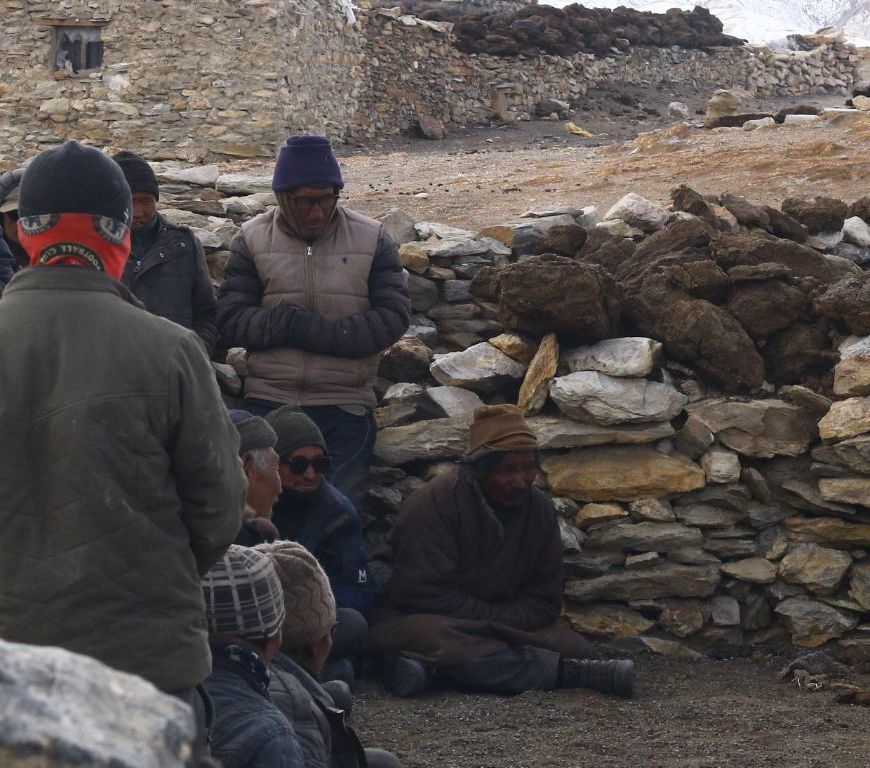
Shortlisted for the Chico Mendes Prize 2023 Lead author Munib Khanyari takes us through his team’s journey through the high altitudes of Changthang in trans-Himalayan India to co-design conservation interventions that benefit the communities who live alongside the wildlife. A video presentation about the study can also be found here. “We have solutions, but often we don’t have the ability to operationalise it”, whispered the Acho … Continue reading Research stories: Building partners in high altitudes through participatory action research

Editor’s Choice 60:9 Bat activity falls by over half at solar farms

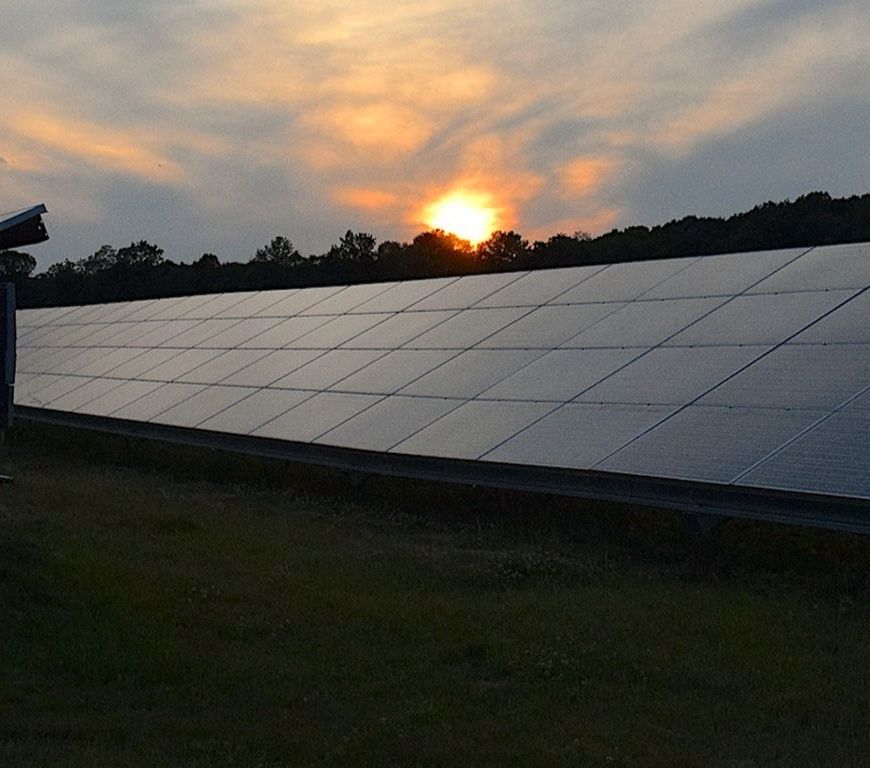
Author Elizabeth Tinsley summarises Journal of Applied Ecology’s September Editor’s Choice research article. This latest research, conducted alongside colleagues, aimed to assess the impact of solar panel farms on bat activity. The growing need for renewable energy As our planet continues to warm, the need for renewable energy is becoming increasingly urgent. Renewable technologies are important in meeting energy demands sustainably and are of vital importance … Continue reading Editor’s Choice 60:9 Bat activity falls by over half at solar farms

Fauna sentinela: como o seguimento por GPS de espécies necrófagas fornece informação sobre o cumprimento dos regulamentos de gestão de cadáveres

Patrícia Mateo Tomás fala-nos do novo estudo que visa avaliar como o rastreio remoto da vida selvagem pode contribuir para uma melhor monitorização das leis ambientais. Através do rastreamento experimental de lobos e abutres via GPS, os pesquisadores conseguiram localizar um total de 489 carcaças de gado em Espanha e Portugal. Continue reading Fauna sentinela: como o seguimento por GPS de espécies necrófagas fornece informação sobre o cumprimento dos regulamentos de gestão de cadáveres

Fauna centinela: cómo el seguimiento GPS de especies necrófagas informa el cumplimiento de la normativa de gestión de carroñas

Patricia Mateo Tomás nos habla sobre el nuevo estudio de ella y sus colegas que tiene como objetivo evaluar cómo el seguimiento remoto de la vida silvestre puede contribuir a un mejor monitoreo de las leyes ambientales. A través del seguimiento experimental de lobos y buitres a través de GPS, los investigadores pudieron localizar un total de 489 cadáveres de ganado en España y Portugal. Continue reading Fauna centinela: cómo el seguimiento GPS de especies necrófagas informa el cumplimiento de la normativa de gestión de carroñas

Sentinel wildlife: GPS-tracking of scavengers to inform compliance with regulations on carcass disposal

Patricia Mateo Tomás talks us through her and colleagues’ new study which aims to assess how remotely tracking wildlife can contribute to the better monitoring of environmental laws. Through experimentally tracking wolves and vultures via GPS, researchers were able to locate a total of 489 livestock carcasses across Spain and Portugal. Continue reading Sentinel wildlife: GPS-tracking of scavengers to inform compliance with regulations on carcass disposal