Research stories: Using accelerometers to uncover wildlife behaviour

How can we study wildlife behaviours associated with disease transmission without altering those behaviours ourselves, via our presence? Authors Van de Vuurst and Alexander share their latest Practice Insights that explore a new method to overcome this problem. Wildlife research is a job made of calluses, sweat and patience. From sample gathering along stream banks to telemetry surveys across frozen tundra, all wildlife professionals are … Continue reading Research stories: Using accelerometers to uncover wildlife behaviour


Modelling spatial variation in an exploited species across marine reserve boundaries

In their new study, Benn Hanns and Nick Shears evaluate common modelling assumptions used to assess the extent of spill-over and edge effects of marine species from protected-areas. Their findings highlight the potential for erroneous conclusions about these phenomena when inappropriate modelling strategies are used. Species dynamics in marine reserves Increases in exploited species within marine reserves can benefit adjacent fished areas as individuals move … Continue reading Modelling spatial variation in an exploited species across marine reserve boundaries

Umo  kumala kwankholongo kukhwaskira mabutterfly muvigawa vya mu AFrica – Kasi walimi wachokowachoko wangaovwira kuwezgera, kupwerelera mabutterfly

Cassandra Vogel na Vera Mayer, wafumiska kafuku-fuku wawo mwasonosono wakulongola kuchepa kwa malo yakukhalamo wabulawula mu Malawi. Wakughanaghana vyakusambizga walimi wachoko-wachoko kuti wasazgileko kulima mbewu za mitundu yinandi izo zikufumiska maluwa.Kweniso kuwoneskeska kuti wachitenge,panyakhe walimenge nthowa izo zikuwezgelengemo nyata mudongo. Continue reading Umo  kumala kwankholongo kukhwaskira mabutterfly muvigawa vya mu AFrica – Kasi walimi wachokowachoko wangaovwira kuwezgera, kupwerelera mabutterfly

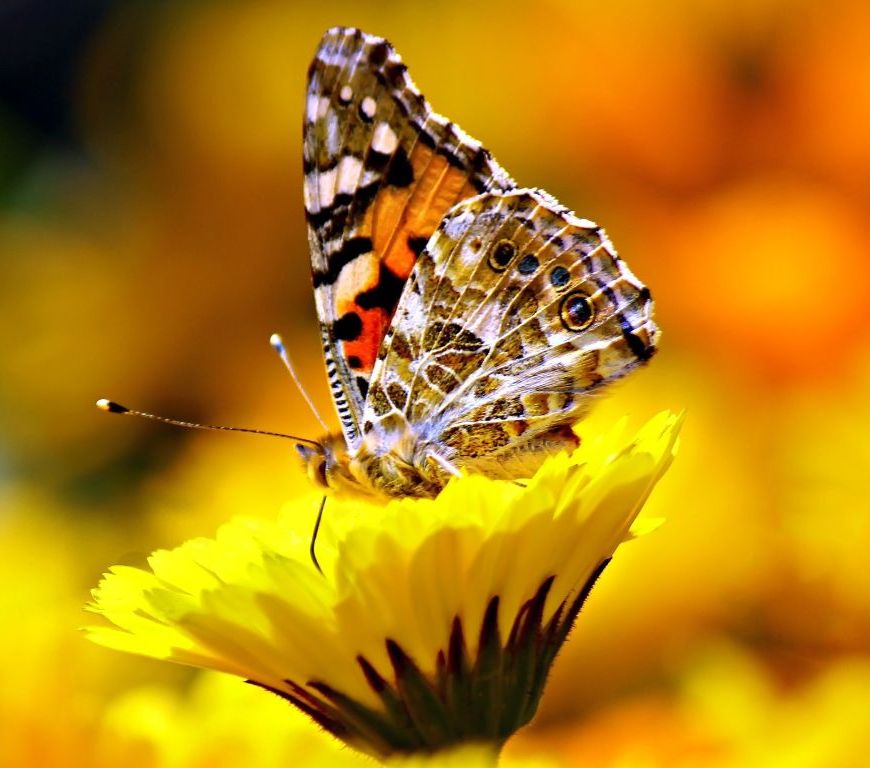
Woodland loss impacts butterfly communities in Africa – can smallholder farmers help conserve them?

Cassandra Vogel and Vera Mayer present their latest research into the effects of habitat loss on butterflies in Malawi, suggesting that encouraging smallholders to increase the diversity of flowering crops and implement sustainable soil practices is needed. Continue reading Woodland loss impacts butterfly communities in Africa – can smallholder farmers help conserve them?

Biodiversity in landscape mosaics: Local land use, landscape and dung beetle assemblages

Raquel Carvalho and Ellen Andresen explain new research that evaluates the impact of land use, landscape structure, and their interactions, on dung beetles, a group of insects that provides many ecosystem services. Carvalho et al demonstrated that both factors act together to shape biodiversity patterns, and that the effect of landscape structure often depends on the specific land use studied. The problem Understanding the impact … Continue reading Biodiversity in landscape mosaics: Local land use, landscape and dung beetle assemblages

Editor’s Choice 60:6 Whale shark abundance forecast

Author Oscar Sosa-Nishizaki introduces Journal of Applied Ecology’s June Editor’s Choice research article which was identified by Editors for proposing strong applied ecological guidance. Sosa-Nishizaki et al’s studied whale shark abundance through modelling and photo identification, suggesting that local authorities apply the model each spring. Research conception The foundations of this study began around 2007 with the efforts of the Pejesapo community group from the … Continue reading Editor’s Choice 60:6 Whale shark abundance forecast

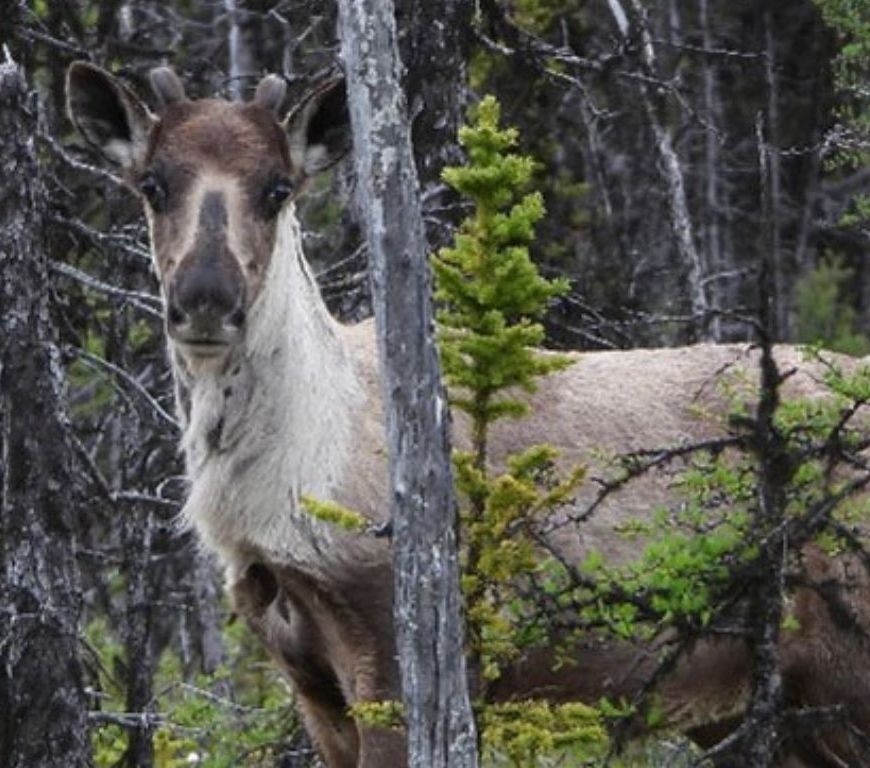
Forestry raises the predation risk to caribou – we found ways to reduce it

Tracy McKay and Laura Finnegan share their latest research investigating what affects ungulate occurrence  in forest harvest blocks in west-central Alberta, Canada. Five years ago, our research group developed an idea with forest companies to help conserve woodland caribou – Rangifer tarandus, the same species as the Eurasian reindeer – in western Canada. Summer after summer, our crews drove the mud and gravel roads spiderwebbing … Continue reading Forestry raises the predation risk to caribou – we found ways to reduce it

Towards environmentally friendly finfish farming: A potential for mussel farms to compensate fish farm effluents

Jonne Kotta explains new research which uses dynamic energy budget modelling to explore the potential of mussels for bioremediation at finfish farms. Kotta and colleagues suggest that environmentally sustainable finfish farming solutions may be possible in the eutrophic Baltic Sea region. The problem Global demand for fish has risen sharply in recent decades and will surely continue to rise during the next decade. However, this … Continue reading Towards environmentally friendly finfish farming: A potential for mussel farms to compensate fish farm effluents

Does logging help or harm Borneo’s bats?

Natalie Yoh and Dave Seaman discuss their recently published research article that uses remote sensing to investigate the effects of logging on aerial insectivorous bats in Southeast Asia. Findings indicate that logged forests can provide an important refuge and several species that respond predictably to logging could be targeted for biodiversity monitoring using acoustic and capture-based methods. “Bats make up around 40% of Borneo’s mammal … Continue reading Does logging help or harm Borneo’s bats?

Can ecological restoration enhance the genetic diversity of plant species on a global scale?

Xinzeng Wei talks us through their recent meta-analysis, conducted with several colleagues, which found that ecological restoration does not significantly improve the genetic diversity of plant species as compared to reference or degraded populations. Wei et al instead suggest that using passive restoration, seeding, and mixed sources could significantly increase the genetic diversity of restored populations. The problem Human disturbance has led to several negative consequences … Continue reading Can ecological restoration enhance the genetic diversity of plant species on a global scale?