Our invaded world: India’s quest for ecosystem restoration

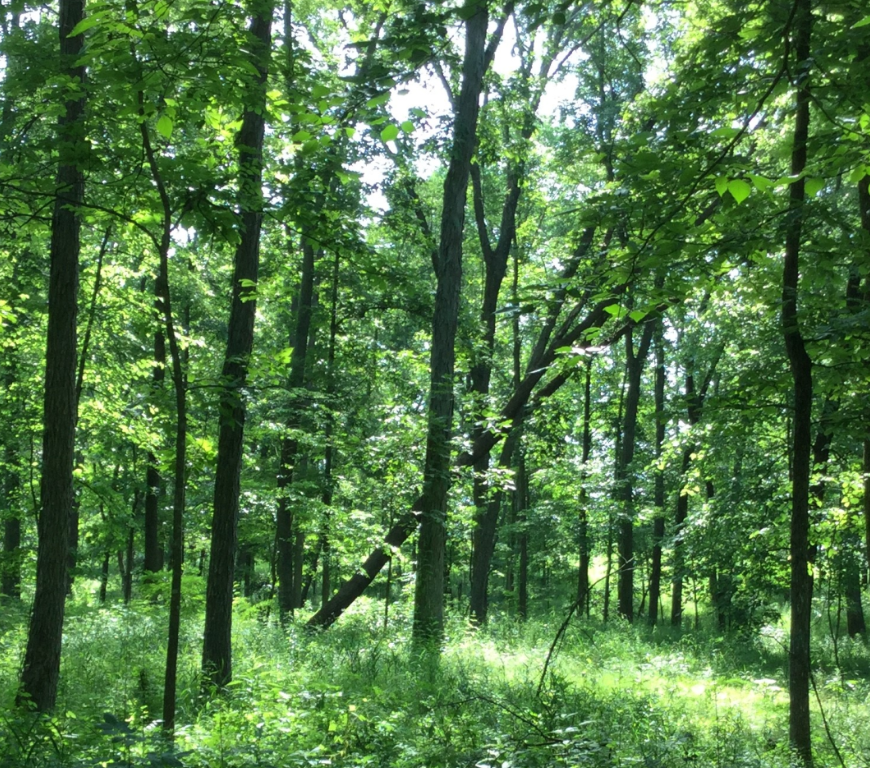
Ninad Mungi shares recent work, conducted with colleagues, which involved monitoring India’s levels of invasive plant species. This has knock-on effects for apex predators, such as tigers, who rely on their prey being able to access native species. Introduction In a world grappling with drastic ecological challenges, biological invasions have emerged as a pernicious threat to biodiversity, ecosystem functioning, and global health. While the impacts … Continue reading Our invaded world: India’s quest for ecosystem restoration

Working together to tackle Invasive Alien Species in Argentina

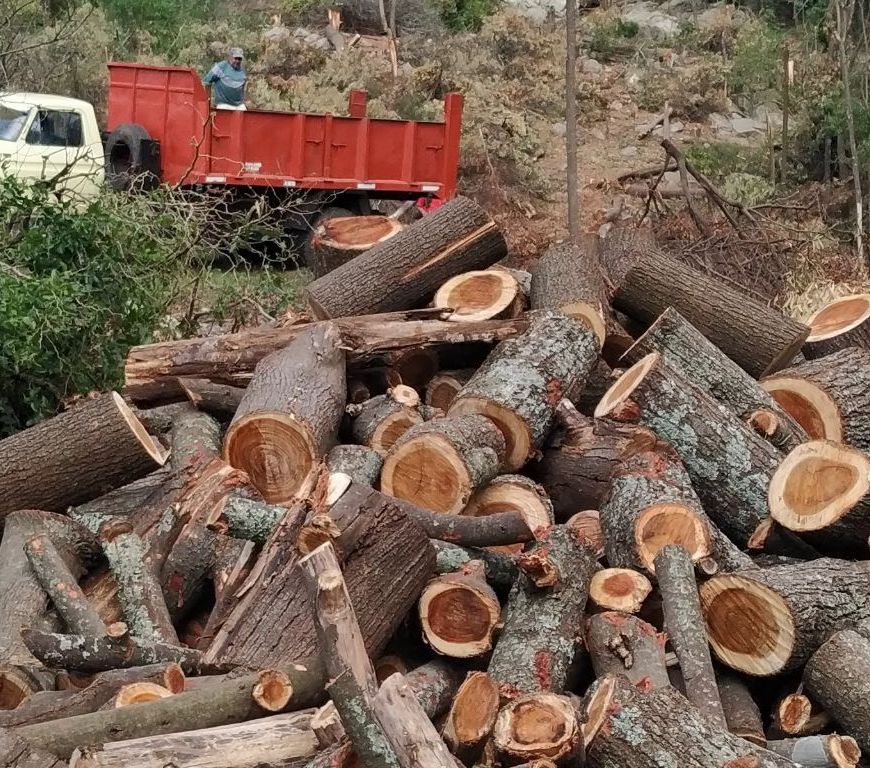
A version of this post is available in Spanish here. Author Priscila Ana Powell shares insights from analysing case studies that use co-management to manage woody invasive alien species in Argentina. “Improving the long-term management of woody invasive alien plants (IAS) in Argentina requires the promotion of shared spaces and communication channels for co-designing and co-implementing IAS management interventions that can better align the objectives of … Continue reading Working together to tackle Invasive Alien Species in Argentina

Trabajando juntos para abordar la problemática delas especies exóticas invasoras en Argentina

Este post también está disponible en inglés aquí. La autora, Priscila Ana Powell, comparte las ideas principales del análisis de estudios de caso sobre experiencias de cogestión para el manejo de especies exóticas invasoras leñosas en Argentina. “Mejorar la cogestión a largo plazo de las plantas leñosas exóticas invasoras (EEI) en Argentina requiere la creación y promoción de espacios compartidos y canales de comunicación para … Continue reading Trabajando juntos para abordar la problemática delas especies exóticas invasoras en Argentina

ECR Journeys:  We are the Polar Alien Hunters 

This month, The Applied Ecologist is amplifying the voice of early career ecologists from around the world working in the field of applied ecology to help inspire the next generation. In this post, Jasmine Lee (British Antarctic Survey) and Christy Hehir (University of Surrey) share their story below.  Our backgrounds Christy: I am an environmental psychologist lecturer from the University of Surrey. In my spare … Continue reading ECR Journeys:  We are the Polar Alien Hunters 

Seed additions facilitate herb-layer restoration in a temperate oak woodland

Originally posted and adapted from Natural History of Ecological Restoration blog. Andrew Kaul and colleagues present their latest research exploring whether seed additions can improve restoration outcomes in oak woodlands. Throughout most of the eastern United States, oak woodlands were once a widespread and dominant ecosystem. These woodlands experienced periodic fires, which prevented woody trees and shrubs from growing so densely that the overstory canopy … Continue reading Seed additions facilitate herb-layer restoration in a temperate oak woodland

Georgina Mace Prize 2022: Winner announced for early career researcher award

We’re excited to announce Luke Potgieter as the winner of the 2022 Georgina Mace Prize, celebrating the best article in the journal by an author at the start of their career. Winner: Luke Potgieter Research: Prioritizing sites for terrestrial invasive alien plant management in urban ecosystems About the research Rapid urbanization is placing increased pressure on natural, restored and designed ecosystems to provide services to … Continue reading Georgina Mace Prize 2022: Winner announced for early career researcher award

Luke Potgieter: Prioritizing sites to manage invasive aliens in urban ecosystems

Shortlisted for the Georgina Mace Prize 2022 In their latest research article, Luke Potgieter and colleagues developed a strategic, spatial prioritization approach for identifying sites most vulnerable to new or expanding terrestrial non-native plant invasions in urban landscapes. Cities have historically been under-studied in ecology and have not seen sufficient development of conservation and biodiversity management policy. This dearth of urban-focused applied ecology and conservation … Continue reading Luke Potgieter: Prioritizing sites to manage invasive aliens in urban ecosystems

Regulation is required to mitigate the high cumulative propagule pressure exerted by escaped pet parrots

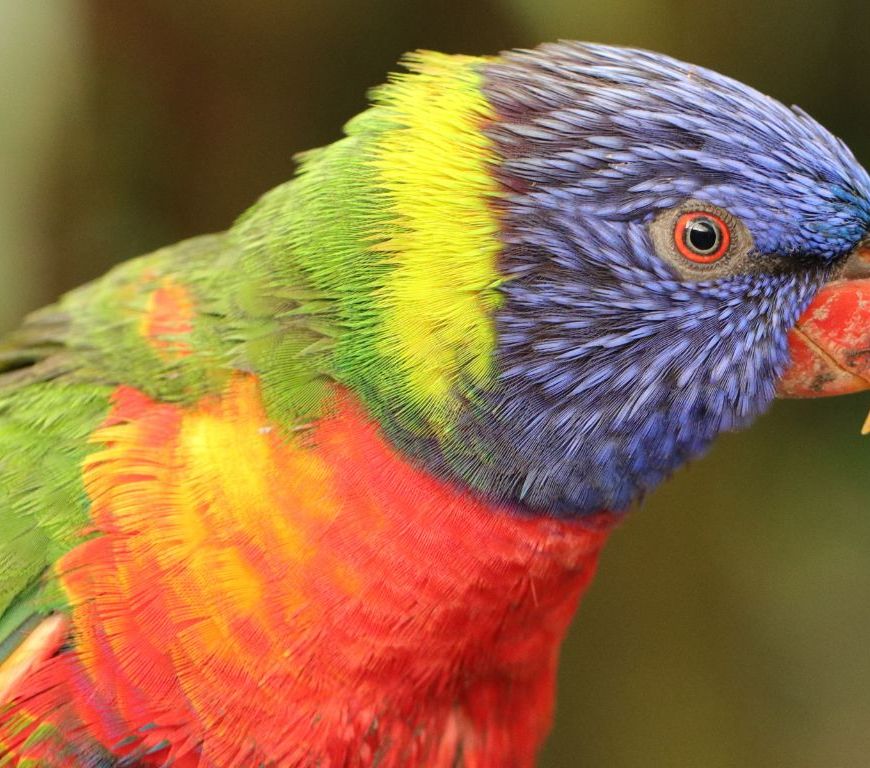
Margaret Stanley, Ellery McNaughton, Rachel Fewster and Josie Galbraith talk us through their recent research that uses reports of lost pet birds to estimate the cumulative propagule pressure that the pet trade exerts on the establishment of introduced bird species. Although concerns about the billion-dollar global pet trade industry have usually focused on issues associated with the trade of endangered species, the pet trade also … Continue reading Regulation is required to mitigate the high cumulative propagule pressure exerted by escaped pet parrots

Editor’s Choice 59:7 The key to seabird conservation – mitigating bycatch from industrial fisheries and eradicating invasive species

Associate Editor, Maria Paniw, introduces this month’s Editor’s Choice article by Dasnon et al., which presents some good news for seabird conservation: combined efforts of avoiding bycatch from commercial fisheries and reducing impacts of invasive species can effectively boost population sizes of vulnerable marine pelagic species. Industrial fishing activities can cause substantial damage, not only to fish stocks but also to pelagic vertebrate predators that … Continue reading Editor’s Choice 59:7 The key to seabird conservation – mitigating bycatch from industrial fisheries and eradicating invasive species

Apparently stable albatross population is actually decreasing due to mouse predation

Conservation organisations struggle to directly assist all threatened species, so deciding where to spend limited resources is a common problem. In a new paper, Oppel and colleagues show that, for long-lived species, a population may decrease long before this trend becomes evident in the part of the population that can be counted. Albatrosses are among the largest flying birds in the world, and they can … Continue reading Apparently stable albatross population is actually decreasing due to mouse predation