Tree species richness suppresses red imported fire ant invasion in a subtropical plantation forest

Chengjin Chu and co-authors discuss their latest research which presents a cross-trophic interaction study between the red imported fire ant and plants. The red imported fire ant (RIFA) is one of the most invasive insects in the world. Many pest management methods have been used to control the spread and damage of RIFA, like quarantine measures and powerful pesticides. However, one may wonder: Do more … Continue reading Tree species richness suppresses red imported fire ant invasion in a subtropical plantation forest

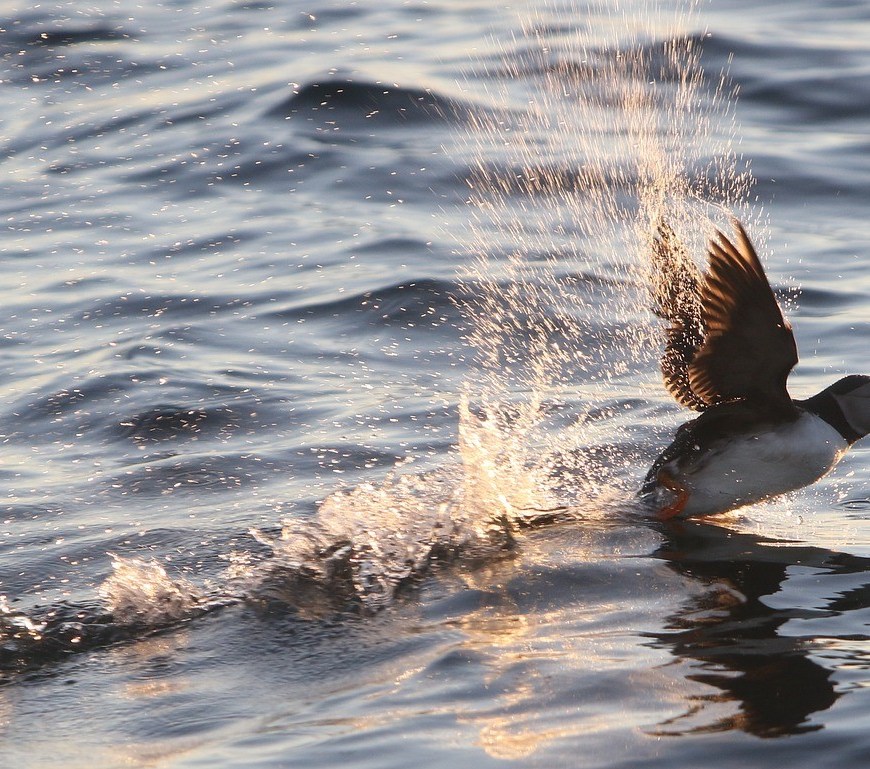
Beneath the Waves: Estimating Marine Bird Abundances Outside the Breeding Season

Ruth Dunn shares insights on her latest study where, alongside her colleagues, she investigated the number of marine birds, outside of their breeding seasons, that may be undetectable when underwater during at-sea surveys. Investing in renewable energy developments, as opposed to burning fossil fuels, has been hailed as a route through which humans might be able to counteract anthropogenic-induced climate change. Within western Europe, it … Continue reading Beneath the Waves: Estimating Marine Bird Abundances Outside the Breeding Season

Gulls as evil and allies to detect antibiotic resistance in agricultural environments

Víctor Martín and Joan Navarro talk us through how gulls tagged with GPS and tested for pathogens can be used as tools to detect early pathogen circulation and pollution sources in the environment. This is explored further in their new research article. Antimicrobial resistance is a global health challenge, exacerbated by the overuse of antibiotics in both human and veterinary medicine. The emergence and spread of … Continue reading Gulls as evil and allies to detect antibiotic resistance in agricultural environments

Ecological Associations of Lantana camara in an East African Savanna Park

Fredrick Ssali, Robert Baluku, Gilbert Drileyo and Moses Muhumuza recount their experience investigating the invasive flowering plant Lantana camara and its impact on common native species in western Uganda. Researchers at the Uganda Wildlife Research and Training Institute (UWRTI) teamed up with scientists from two Ugandan Universities and explored associations between Lantana camara and common native species in Queen Elizabeth National Park in western Uganda. … Continue reading Ecological Associations of Lantana camara in an East African Savanna Park

Combining local ecological knowledge with camera traps: African mammal life-history traits and their occurrence in anthropogenic landscapes

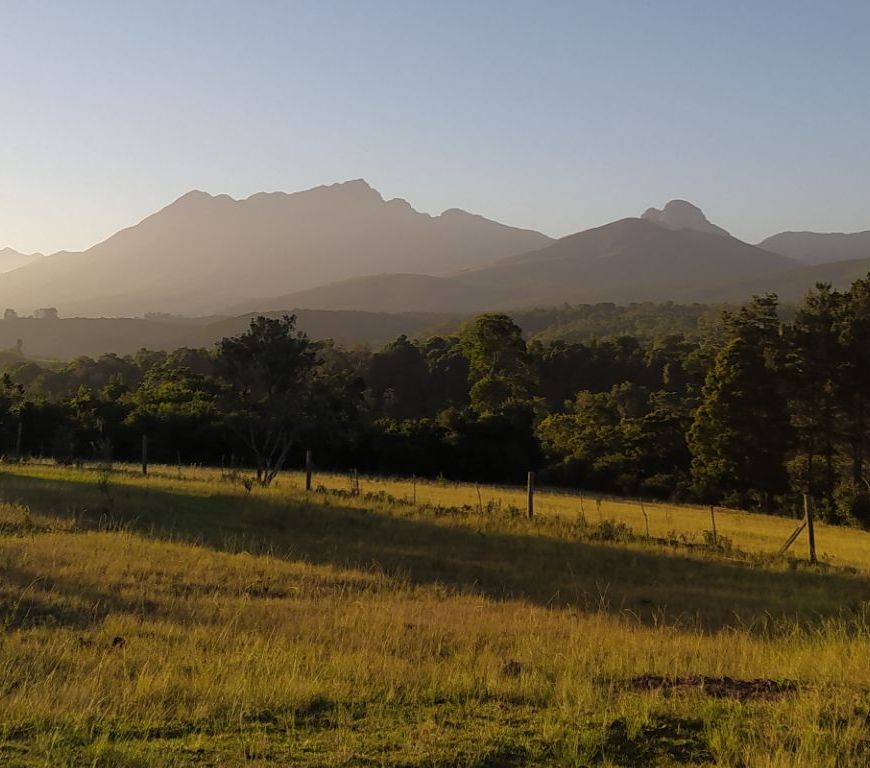
Alice Bernard and co-authors describe how they have jointly used local ecological knowledge and camera trap data. With hindsight, they discuss how involving local people in research projects can enhance conservation efforts in the Garden Route Biosphere Reserve (GRBR), South Africa. The Garden Route National Park (GRNP), in the eponym Biosphere Reserve, is one of the only truly unfenced National Parks in South Africa. The … Continue reading Combining local ecological knowledge with camera traps: African mammal life-history traits and their occurrence in anthropogenic landscapes

Grassland nature reserves safeguard a high species richness and biomass of grasshoppers

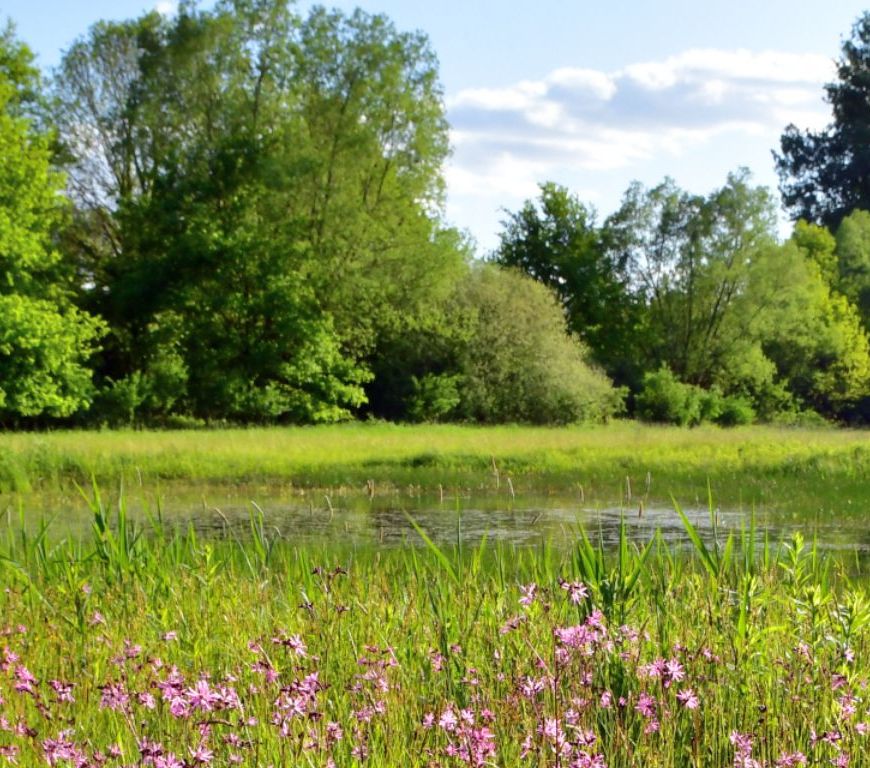
This blog post is also available in German here. Dominik Poniatowski and colleagues describe how they evaluated the environmental drivers of species richness and biomass of grasshoppers in grasslands, comparing this between nature reserves and intensively-used agriculture landscape. Grassland exhibiting low land-use intensity is considered a hotspot of biodiversity in Central Europe. However, particularly since the mid-20th century, grassland land use has often been intensified, … Continue reading Grassland nature reserves safeguard a high species richness and biomass of grasshoppers

Naturschutzgebiete mit einem hohen Anteil an Grünland sichern einen hohen Artenreichtum und eine hohe Biomasse von Heuschrecken

Dieser Beitrag ist hier auch auf Englisch verfügbar. Dominik Poniatowski und Kollegen beschreiben, wie sie die Umweltfaktoren des Artenreichtums und der Biomasse von Heuschrecken im Grünland bewertet und dabei zwischen Naturschutzgebieten und intensiv genutzter Agrarlandschaft verglichen haben. Das extensiv genutzte Grünland gilt als Hotspot der Biodiversität in Mitteleuropa. Allerdings wurde insbesondere seit Mitte des letzten Jahrhunderts die Nutzung auf vielen dieser Flächen intensiviert oder das … Continue reading Naturschutzgebiete mit einem hohen Anteil an Grünland sichern einen hohen Artenreichtum und eine hohe Biomasse von Heuschrecken

Elephant expressways: Examining multi-scalar elephant connectivity in KAZA

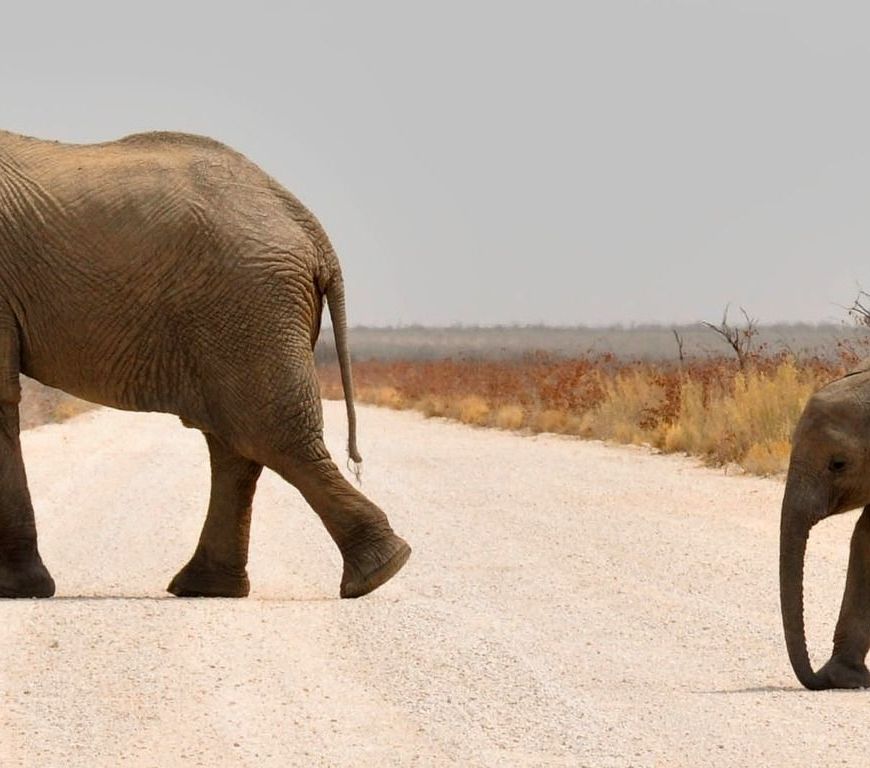
Callie Cho and Robin Naidoo talk us through how, using observed animal movements rather than conventional resistance surface models, a connectivity conservation blueprint for African elephants in the Kavango-Zambezi transfrontier conservation area (KAZA) in southern Africa was produced. This is explored further in the new research article. A key aspect of effective conservation management is understanding landscape connectivity—how easily animals can move between vital resource … Continue reading Elephant expressways: Examining multi-scalar elephant connectivity in KAZA

Using management interventions to help at-risk butterflies in a changing climate

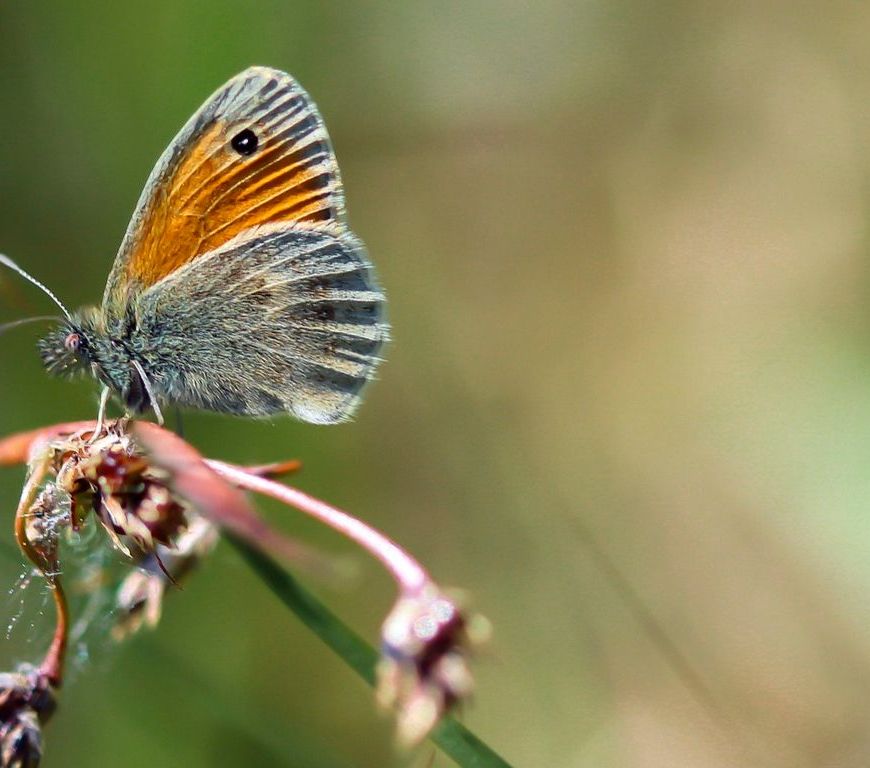
Author Cheryl Schultz talks us through a new study which highlights the importance of active management interventions in helping to buffer effects of climate change, and helping to improve population trends for at-risk butterflies. Where did the idea come from? With extensive coverage in academic and popular publications, the widespread decline of butterflies is well-known. Butterflies face a triumvirate of threats: the cumulative effects of … Continue reading Using management interventions to help at-risk butterflies in a changing climate

Wide-scale rangeland condition monitoring: Measurement of increased vegetation cover following stock removal and conservation management

Angus Retallack explains how, using remote sensing data over a 22-year observation period, vegetation recovery after the removal of livestock and the introduction of conservation-focused management can be assessed. Arid and semi-arid rangelands cover close to 50% of the Earth’s land surface and are relied upon by a diverse range of stakeholders including Indigenous people, pastoralists and environmental conservationists. Sustainable use and conservation of these … Continue reading Wide-scale rangeland condition monitoring: Measurement of increased vegetation cover following stock removal and conservation management