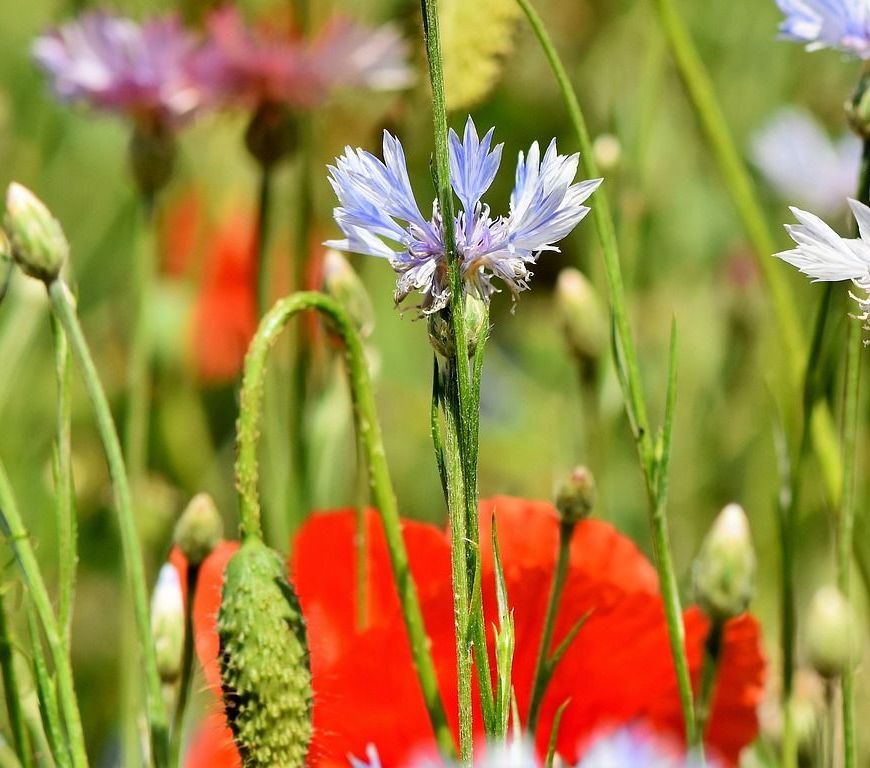
Close to the edge: Spatial variation in plant diversity, biomass and floral resources in conventional and agri-environment cereal fields


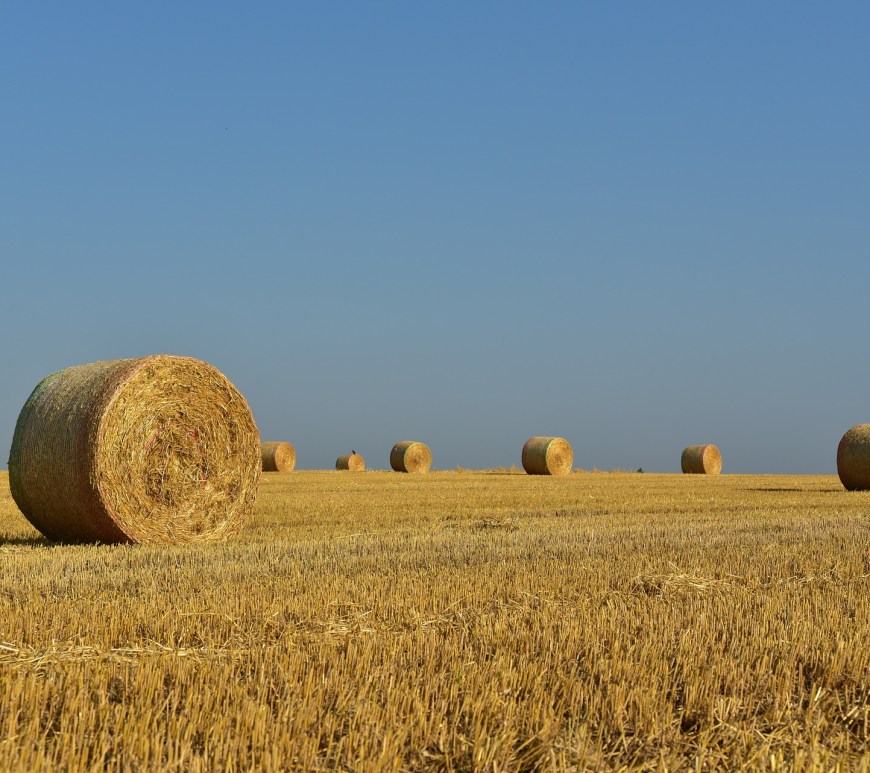
Laura Sutcliffe discusses her latest study where, alongside colleagues, she investigated the spatial distribution of vascular plant species richness and their contribution to the food web via biomass and flower units in conventional and agri-environment cereal fields. The study: Arable plants Arable plants are usually simply referred to as weeds, reflecting their low status in society and also in biodiversity research. Whilst there is a … Continue reading Close to the edge: Spatial variation in plant diversity, biomass and floral resources in conventional and agri-environment cereal fields

Integrated policies could help solar farms fulfil their climate and ecological potentials

In their latest Policy Direction, authors Fabio Carvalho, Hollie Blaydes and Alona Armstrong highlight key policy implications in relation to solar farm development and operation, and their usage in both addressing climate change and providing ecosystem benefits. Back in April last year, we wrote about the need to gather standardised evidence on the impacts of solar farms on hosting ecosystems to inform industry best practice … Continue reading Integrated policies could help solar farms fulfil their climate and ecological potentials

Salvage logging and subsequent post-windthrow management diminish forest bird communities for two decades

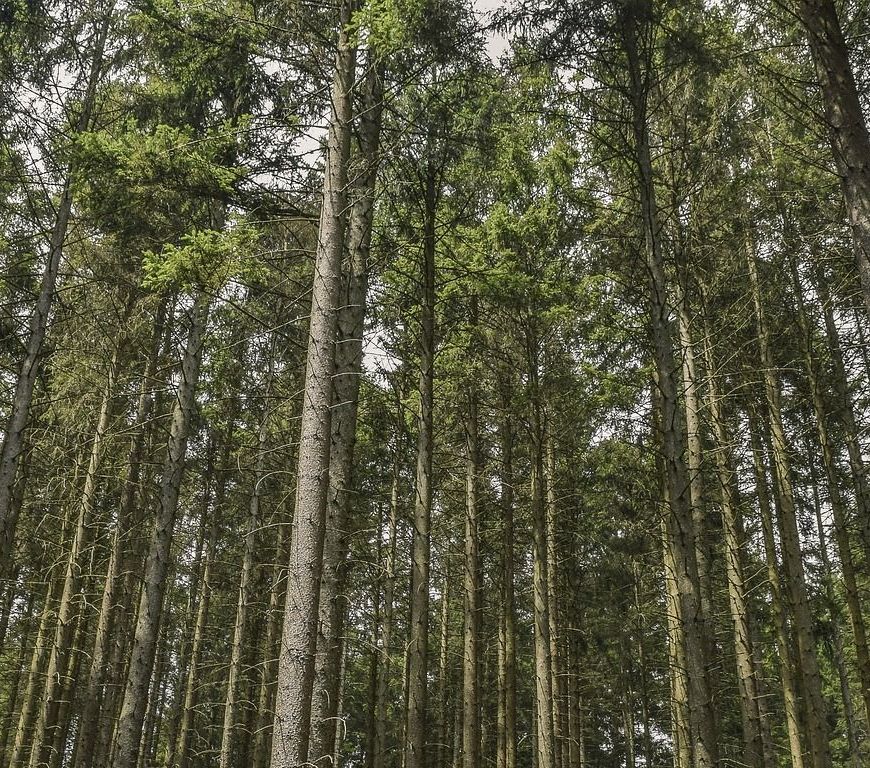
In this blog post, Michał Walesiak shares how increased bird diversity in an area of unmanaged windthrow persisted over a 20-year span in Poland. Natural disturbances in forests, such as hurricanes, fires, bark beetle outbreaks, often evoke negative emotions in people. Many find it hard to believe that hurricanes, fires, bark beetles… may actually bring some benefits to nature, such as increase in biodiversity! This … Continue reading Salvage logging and subsequent post-windthrow management diminish forest bird communities for two decades

Supportive effect of uncut refuge strips on grassland arthropods may depend on the amount and width of strips

In this blog post, author Kitti Révész and her team share their latest study exploring the effects of uncut refuge strips on the abundance and diversity of arthropods. What is the best management practice of hay meadows from an arthropod conservation point of view? Grassland arthropods are declining as a consequence of land-use change and intensive management. There are efforts to spread extensive management through … Continue reading Supportive effect of uncut refuge strips on grassland arthropods may depend on the amount and width of strips

Mixed forests and delicious seeds: How tree species change the relationship between rodents and seeds

In this blog post, Pedro Mittelman and Bernado Araújo discuss how forest composition can affect plant–animal interactions without necessarily altering animal communities or population densities. Forest mortality We are walking through a dead forest. It is not yet winter, but as we move amid still standing Norway spruce (Picea abies) trunks along the Harz mountains, we find no leaves attached to them. Here, approximately 20,000 … Continue reading Mixed forests and delicious seeds: How tree species change the relationship between rodents and seeds

Up in the trees – research into dormouse survey methods

Author Debbie Barlett shares her latest study that assesses whether current dormice survey methods are fit to produce accurate results. Where did the idea come from? I’ve always felt my role as programme leader for the MSc in Environmental Conservation at the University of Greenwich was to encourage students to question what they are being taught. This is particularly important during fieldwork, from the preparatory … Continue reading Up in the trees – research into dormouse survey methods

Creating innovative solutions to manage aquatic invasive species impacts

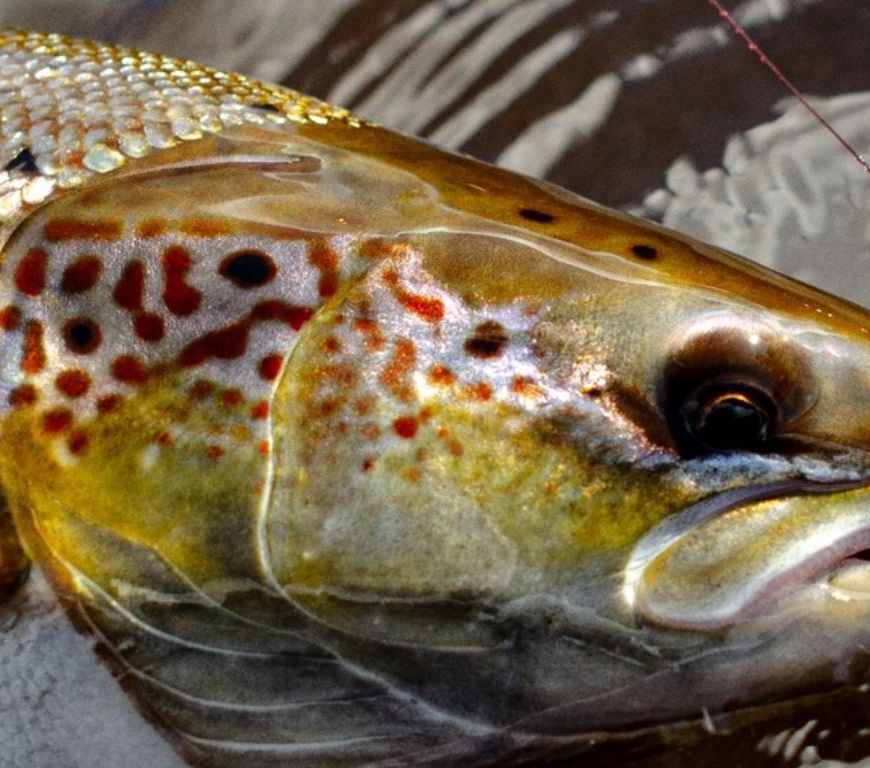
Author Sarah Kingsbury shares a new integrated management approach to better assess the effects and risks of aquatic invasive species on Atlantic salmon in Nova Scotia, Canada. Invasive species played key roles in the extinction of 60% of Earth’s plants and animals as reported by IPBES in 2023. While not all alien species introduced to new habitats become problematic (or even are able to establish … Continue reading Creating innovative solutions to manage aquatic invasive species impacts

Paving the way for the restoration of the Enobieta stream

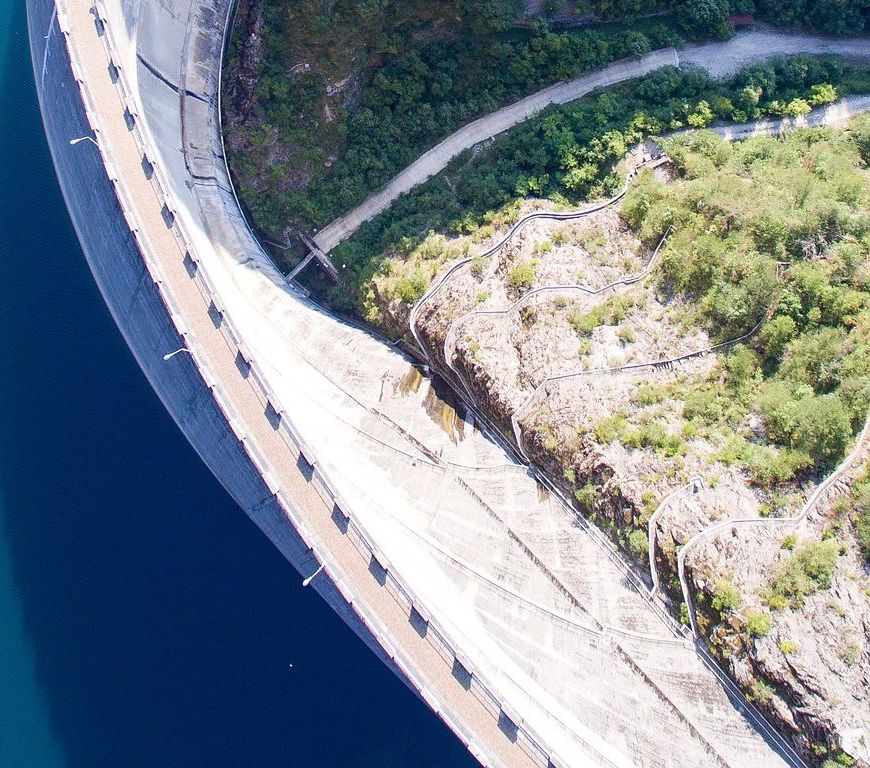
Authors of a recently published research article discuss the ecological consequences of large dam removal through their study of instream habitat and invertebrate communities in a temperate, forested catchment in northern Spain. River restoration by dam removal During the last decades, increased awareness on the consequences of a degraded environment has led to new legislation, such as the EU Water Framework Directive or the Nature … Continue reading Paving the way for the restoration of the Enobieta stream

Controlling an invasive shrub across the year with basal bark herbicide treatment

Nick Barber and colleagues share a new invasive plant management technique to better control invasive species and improve biodiversity. Controlling invasive plants can be a never-ending battle for land managers, and this work is costly — not just in materials like expensive herbicide, but costly in time as well. This is especially the case when invasive control efforts overlap with other management responsibilities. Managers have … Continue reading Controlling an invasive shrub across the year with basal bark herbicide treatment

A safe passage: Protecting migratory birds in the North Sea

Maja Bradarić summarises how, alongside colleagues, they used 5 years of tracking bird radar data, weather and phenological variables to develop seasonal forecasts of bird migration over the southern North Sea. These forecasts of nocturnal bird migration may be used to define curtailment thresholds for offshore wind energy. In May 2023, turbines in two offshore wind farms in the Dutch North Sea came to a virtual … Continue reading A safe passage: Protecting migratory birds in the North Sea