Research into cassava: A promising crop under climate change

Author Dr Amelia Hood describes what their systematic map of cassava farming practices revealed about our knowledge gaps around this important staple crop. Cassava is a potato-like tuber used to produce a wide array of savoury and sweet dishes, either for direct consumption (e.g. tasty chips!) or following processing into flour (e.g. tapioca, farinha, garri). Cassava – also known as mandioca and yuca – is … Continue reading Research into cassava: A promising crop under climate change

Bed or breakfast? Roe deer balance food and safety according to crop phenology

Noa Rigoudy and co-authors talk us through their latest work, highlighting how behavioural adjustment may buffer the consequences of the reduction in natural habitats that accompanies intensification of agricultural production. This has implications for understanding how agricultural practices shape the food-safety trade-off of wildlife living in these highly modified landscapes. Wildlife in agroecosystems The life cycle of plants (i.e., their phenology) influences how food is … Continue reading Bed or breakfast? Roe deer balance food and safety according to crop phenology

Rewilding boosts Carbon Storage: How trees channel more Carbon into their roots

Author Nancy Burrell highlights the importance of accurate carbon accounting and describes her team’s latest research into the accuracy of current methods for measuring carbon in scrublands. Traditional methods like the i-Tree Eco model, effective in urban and forestry settings for estimating carbon storage in trees, are based on the growth patterns of plantation trees (trees grown in herbivore-free landscapes). But how does browsing at … Continue reading Rewilding boosts Carbon Storage: How trees channel more Carbon into their roots

How using multiple surveillance methods can help us track low prevalence disease

Abigail Feuka discusses how she, alongside colleagues, employed three surveillance methods to estimate the probability of presence and spread of a low-prevalence pathogen at a landscape scale under incomplete sampling coverage. Wildlife disease The COVID-19 pandemic has brought disease transmission from animals to humans into the public spotlight. But studying wildlife disease can be tricky, especially low prevalence diseases, where proportionally few individuals in a … Continue reading How using multiple surveillance methods can help us track low prevalence disease

Bees go up, flowers go down: When are flowers needed most in agricultural areas?

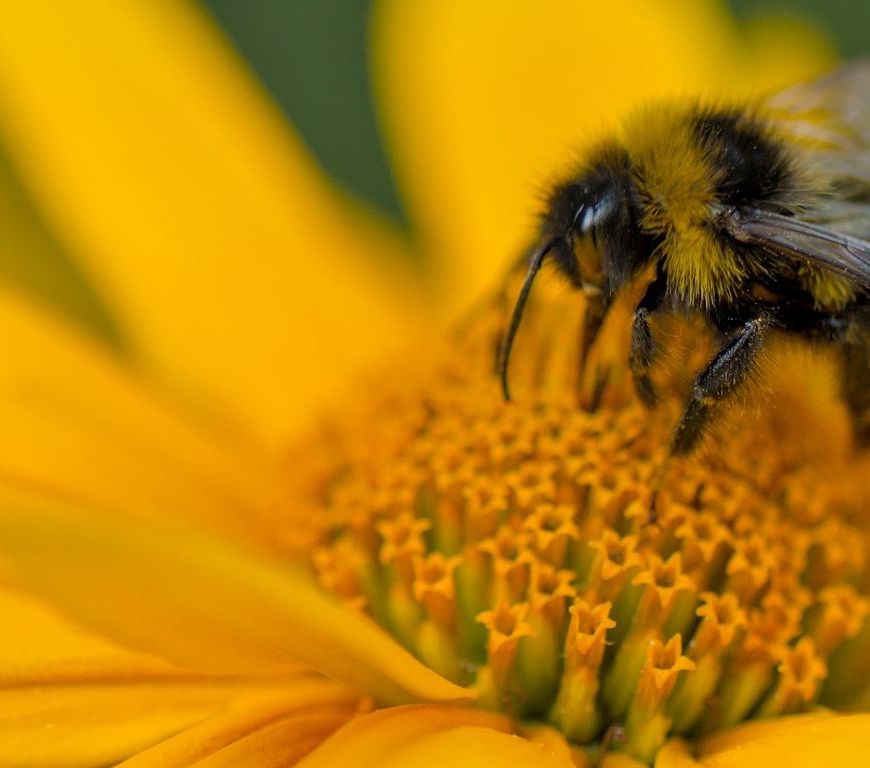
Gabriella Bishop introduces us to the latest study, conducted alongside colleagues, which indicates that agri-environmental management should target the provision of summer floral resources for both social and solitary bees. Bees in intensive agricultural landscapes Bees need flowers for food and reproduction. Previously, agricultural areas contained small fields with undisturbed borders and flower-rich pastures that provided bees with the resources they need. The transition to … Continue reading Bees go up, flowers go down: When are flowers needed most in agricultural areas?

Unravelling the seasonal dance: How flowering crops impact wild pollinators

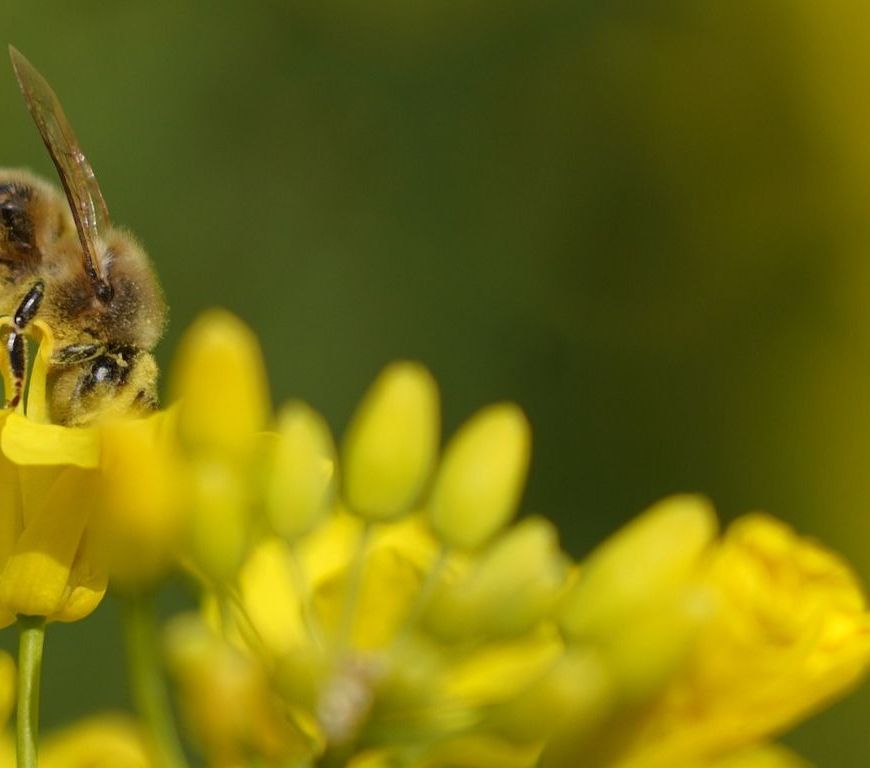
Laura Riggi talks us through the latest research, conducted with colleagues, which confirms that mass-flowering crop cultivation alone is unlikely to be sufficient for maintaining pollinators. However, as part of carefully designed diverse crop rotations or mixtures combined with the preservation of permanent non-crop habitats, it might provide valuable supplementary food resources for pollinators in temperate agroecosystems, particularly later in the season when alternative flower … Continue reading Unravelling the seasonal dance: How flowering crops impact wild pollinators

Rewilding the sea

Interest in rewilding the land has boomed in recent years, especially after the success of the rewilded Knepp Estate in England. But what about rewilding the sea? Esther Brooker tells us about her research on marine rewilding. In the UK, the Knepp Estate has sought to lead the way on rewilding, turning an intensively farmed area over to nature. What does rewilding look like in … Continue reading Rewilding the sea

Enhancing riparian protection: A call for clear objectives and measurable targets

Lenka Kuglerová, John S. Richardson, Timo Muotka, Darshanaa Chellaiah and Jussi Jyväsjärvi talk to us about their latest perspective article which suggests that locally developed and adjusted targets for riparian buffers must move away from vague objectives. A switch towards quantifiable goals that specify what is supposed to be achieved and protected will help to implement, monitor and evaluate targets. Small streams in a forestry … Continue reading Enhancing riparian protection: A call for clear objectives and measurable targets

Editor’s Choice 60:12 Mangrove ecological restoration vs climate variability

David Alejandro Sánchez-Núñez, J. Alexandra Rodríguez-Rodríguez and José Ernesto Mancera Pineda talk us through Journal of Applied Ecology’s December’s Editor’s Choice research article. This study demonstrates that climate-smart restoration in mangroves should implement the types of hydrological rehabilitation measures that offset or avoid reinforcing ENSO strong phases. History of cover fluctuations in a strategic mangrove ecosystem The Ciénaga Grande de Santa Marta (CGSM), one of … Continue reading Editor’s Choice 60:12 Mangrove ecological restoration vs climate variability

The hidden values of the Wadden Sea

In this blog post, Paula de la Barra and Allert Bijleveld discuss their latest research, conducted alongside Geert Aarts. This work focusses on gas extraction under intertidal mudflats, and the impact that this has on macrozoobenthic communities and sediment. The importance of the Wadden Sea Every day the tide covers and reveals thousands of square kilometres of sand and mudflats in the Wadden Sea, the … Continue reading The hidden values of the Wadden Sea