FAR-sighted conservation: Facing the inevitability of ongoing environmental change

Chris Thomas and colleagues describe their latest Perspective article outlining a new framework – Facilitate-Accept-Resist (FAR) – that operationalizes conservation decision-making in a way that leads to greater adoption of positive biodiversity change. Conservation is in a bind. The biological world is changing, and so are our human priorities. When we declare a nature reserve on the basis of a particular species, for example, is … Continue reading FAR-sighted conservation: Facing the inevitability of ongoing environmental change

M²-gardens to probe the rural landscape

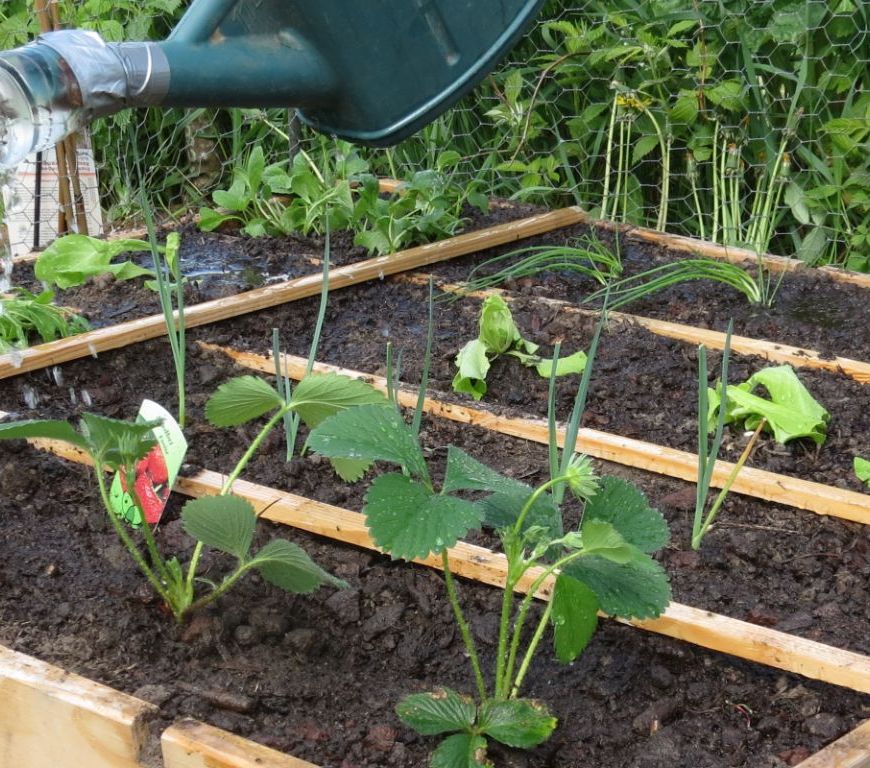
Frederik Gerits discusses their recently published article. Published in Journal of Applied Ecology, the article shows how variation in local land use types influence both biotic (e.g. presence and abundance of predatory arthropods and pollinators) and abiotic parameters (e.g. microclimate variation) in a peri-urban landscape. Our hypothesis is that these influences of landscape composition might further play a role in the resilience of landscapes in … Continue reading M²-gardens to probe the rural landscape

The threat to seabirds and the Barents Sea

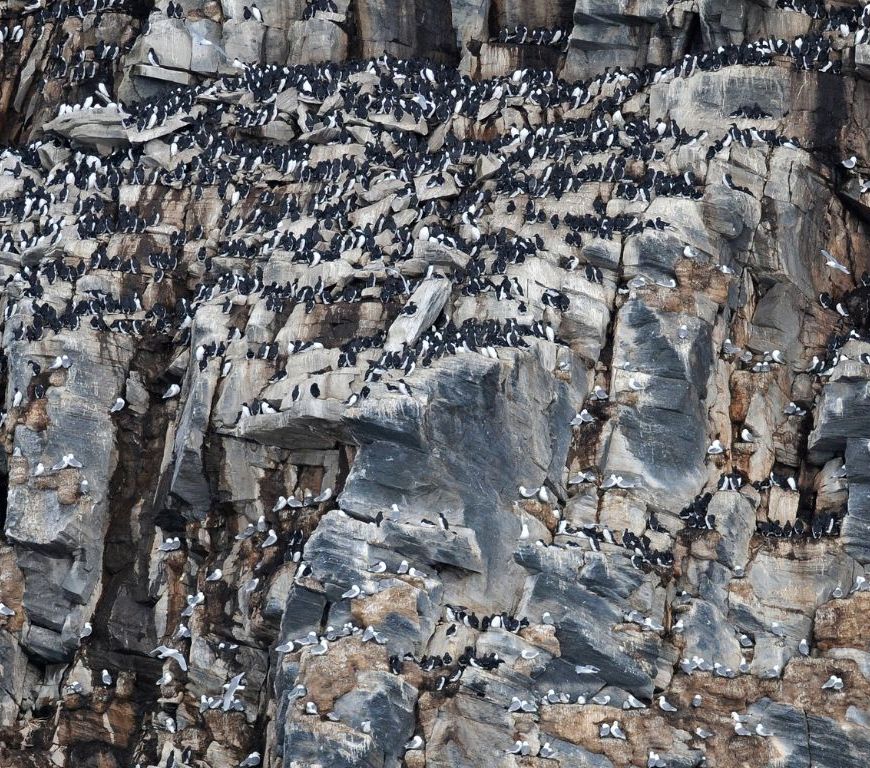
Feature photo: The Hornøya cliffs with nesting seabirds, including Kittiwakes, Common Guillemots and possibly Razorbills © Biotope In their latest research, Sam Hodges and colleagues present a novel solution that may help guide ecosystem management practices by predicting the effects of climate change and yearly variation in sea surface temperature on foraging seabird hotspots in the Barents Sea. Seabirds have historically been shown to be … Continue reading The threat to seabirds and the Barents Sea

Regulation is required to mitigate the high cumulative propagule pressure exerted by escaped pet parrots

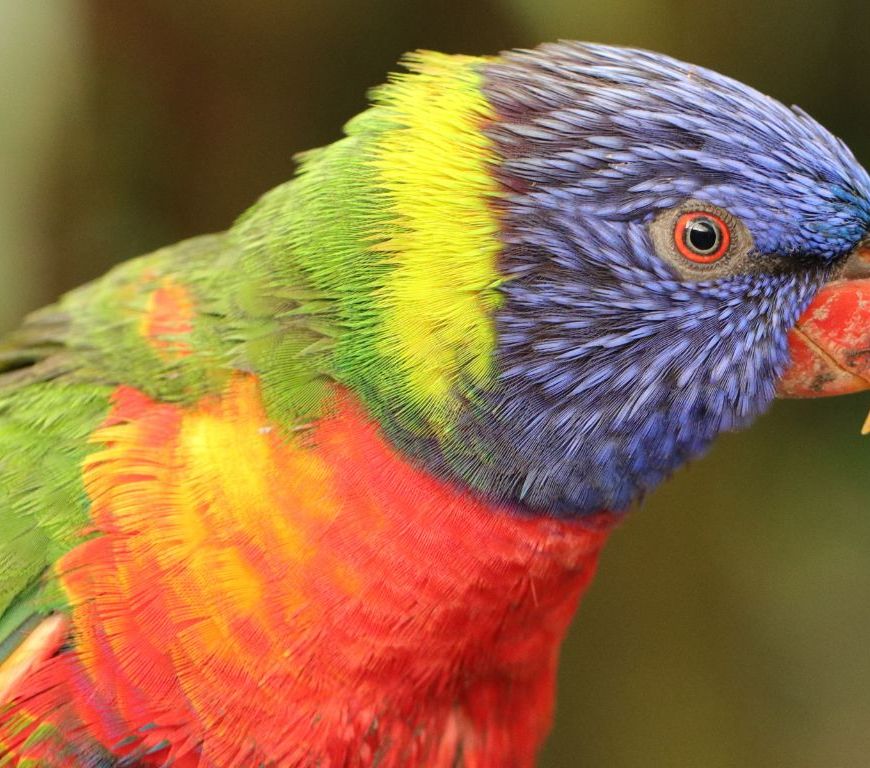
Margaret Stanley, Ellery McNaughton, Rachel Fewster and Josie Galbraith talk us through their recent research that uses reports of lost pet birds to estimate the cumulative propagule pressure that the pet trade exerts on the establishment of introduced bird species. Although concerns about the billion-dollar global pet trade industry have usually focused on issues associated with the trade of endangered species, the pet trade also … Continue reading Regulation is required to mitigate the high cumulative propagule pressure exerted by escaped pet parrots

Phylogenetic distance controls plant growth during early restoration of a semi-arid riparian forest

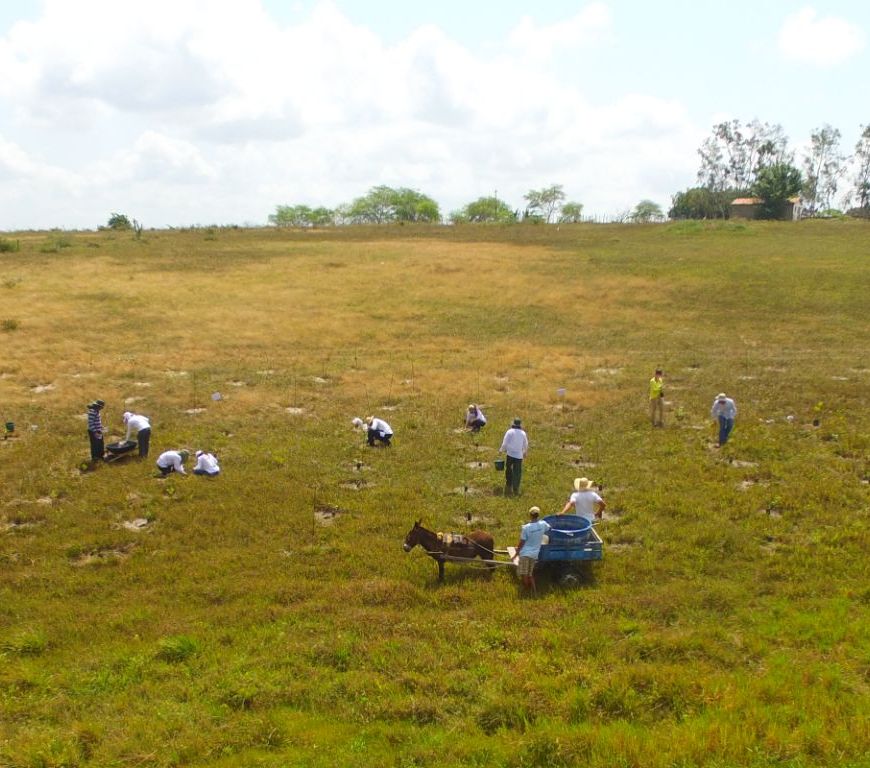
Leonardo H. Teixeira and colleagues share their latest research investigating the influence of species richness and phylogenetic relatedness during early restoration of a riparian forest in north-eastern Brazil. Restoration projects offer the opportunity to locally assess the effects of plant diversity on the assembly and functioning of restored ecosystems. In semi-arid areas of north-eastern Brazil, the extremely harsh environmental conditions are limiting plant establishment from … Continue reading Phylogenetic distance controls plant growth during early restoration of a semi-arid riparian forest

MammalWeb: The potential of citizen science for large-scale mammal monitoring

Feature photo: A camera trap photo © MammalWeb (CC BY-SA 2.0) In their latest article, Pen-Yuan Hsing et al. describe the processes involved in launching and running MammalWeb – a successful camera trapping project that has produced over 440,00 classified image sequences and videos over the past decade. It is unlikely to come as a shock to readers of the Applied Ecologist that the world … Continue reading MammalWeb: The potential of citizen science for large-scale mammal monitoring

Can pasture-fed livestock farming practices improve the ecological condition of grasslands?

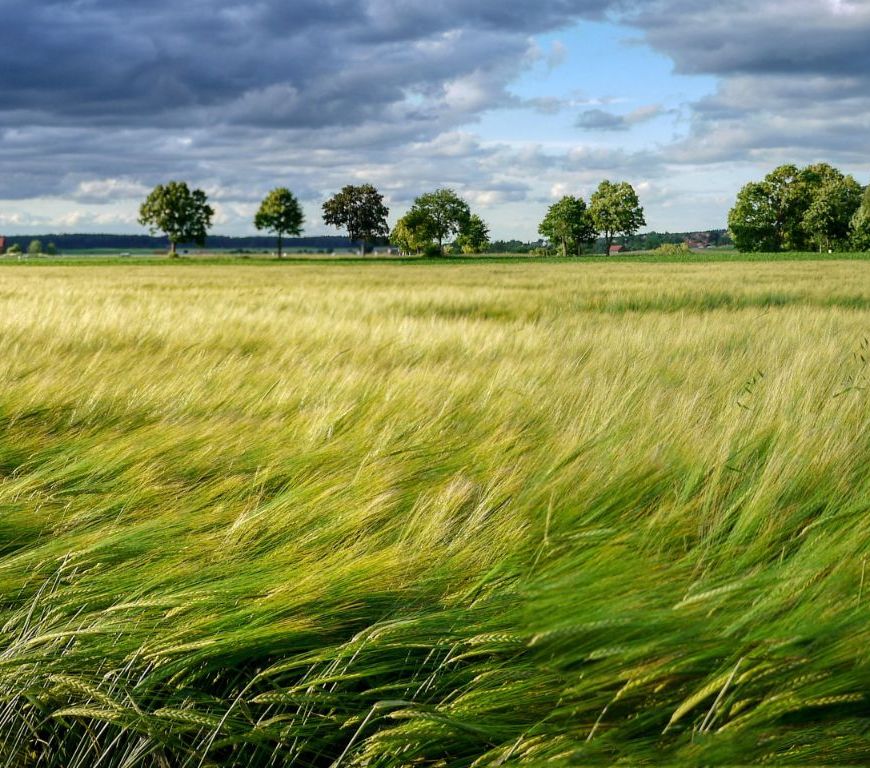
Innovative farmers are adopting agro-ecological approaches to producing beef which they believe are better for biodiversity and soils. Lisa Norton (UK Centre for Ecology and Hydrology) and colleagues investigated the validity of these claims by comparing their grassland to those across the wider countryside surveyed as part of the national GB Countryside Survey.  Public concerns about the environmental impacts of meat production add to the … Continue reading Can pasture-fed livestock farming practices improve the ecological condition of grasslands?

Editor’s Choice 60:1 Weed communities are more diverse, but not more abundant, in dense and complex bocage landscapes

Associate Editor Pieter De Frenne talks us through a new research article by Boinot et al which found that the weed communities in bocage landscapes were functionally more diverse, creating important implications for the management of agricultural bocage landscapes. One of the cornerstones of many national and international agricultural policies, such as the EU Green Deal, is to transition to a sustainable food system and … Continue reading Editor’s Choice 60:1 Weed communities are more diverse, but not more abundant, in dense and complex bocage landscapes

For the sake of diversity: An alternative approach to tree planting that prioritizes conservation goals

Lead author Olivia St-Laurent explains why she and her co-authors of the new article ‘Safeguarding eucalypt diversity through conservation-focused tree planting’ advocate for a novel approach to environmental tree planting, benefitting people and nature by prioritizing biodiversity conservation. Everywhere, governments are making commitments to stop or slow the loss of local biological diversity and to restore degraded ecosystems. In megadiverse Australia, endemic species represent 85% … Continue reading For the sake of diversity: An alternative approach to tree planting that prioritizes conservation goals

How much agri-environment provision is required to reverse farmland bird declines?

Dr Robert Hawkes, RSPB Conservation Scientist, explains the findings of a recently published article. Here, RSPB and BTO scientists, in partnership with Natural England, explore how much bird-friendly agri-environment management is needed to stabilise or reverse farmland bird declines. The UK government has recently committed to halting species abundance declines in England by 2030, with similar timebound EU targets currently under discussion. With many species … Continue reading How much agri-environment provision is required to reverse farmland bird declines?