Let’s improve disease metrics in wildlife: an example with Darwin’s frogs infected by the deadly chytrid fungus

Hugo Sentenac discusses theirs and colleagues’ recent research article which uses data from a fungal pathogen and Darwin’s frogs to assess the magnitude of prevalence bias, as well as illustrate how it can impact disease risk assessment. Infectious diseases: Batrachochytrium dendrobatidis Certain infectious diseases have wrought havoc in nature. One dramatic example is the amphibian chytridiomycosis caused by the chytrid fungus Batrachochytrium dendrobatidis.  It has … Continue reading Let’s improve disease metrics in wildlife: an example with Darwin’s frogs infected by the deadly chytrid fungus

Expansion of hydropower plants drives the risk of extinction of an imperiled and endemic freshwater turtle

André Luis Regolin talks us through the latest research from themselves and colleagues on conserving the rare Williams’ side-necked turtle. The study uses a new methodological approach to evaluate how current and future scenarios of hydroelectric generation affect the species’ distribution. The problem The Williams’ side-necked turtle (Phrynops williamsi) was only described to science in 1983 and since then little attention and research efforts have … Continue reading Expansion of hydropower plants drives the risk of extinction of an imperiled and endemic freshwater turtle

Beste managementpraktijken om opbrengstverlies door ganzen te verminderen

Monique de Jager bespreekt recent onderzoek met collega’s dat probeert te begrijpen wat de meest kosteneffectieve manier is om gewasverlies als gevolg van grazende ganzen te verminderen. Na het uitvoeren van een model met verschillende begrazings- en schrikscenario’s, bleek dat de beste beheeroptie is om ganzen te laten grazen. Continue reading Beste managementpraktijken om opbrengstverlies door ganzen te verminderen

Best management practices to decrease goose-related yield loss

This blog post is also available in Dutch here. Monique de Jager discusses recent research with colleagues that seeks to understand the most cost-effective way of decreasing crop loss as a result of grazing geese. After running a model with several different grazing and scaring scenarios, it was found that the best management option is to leave geese to graze. Introduction The rebound of the … Continue reading Best management practices to decrease goose-related yield loss

Research stories: Using accelerometers to uncover wildlife behaviour

How can we study wildlife behaviours associated with disease transmission without altering those behaviours ourselves, via our presence? Authors Van de Vuurst and Alexander share their latest Practice Insights that explore a new method to overcome this problem. Wildlife research is a job made of calluses, sweat and patience. From sample gathering along stream banks to telemetry surveys across frozen tundra, all wildlife professionals are … Continue reading Research stories: Using accelerometers to uncover wildlife behaviour

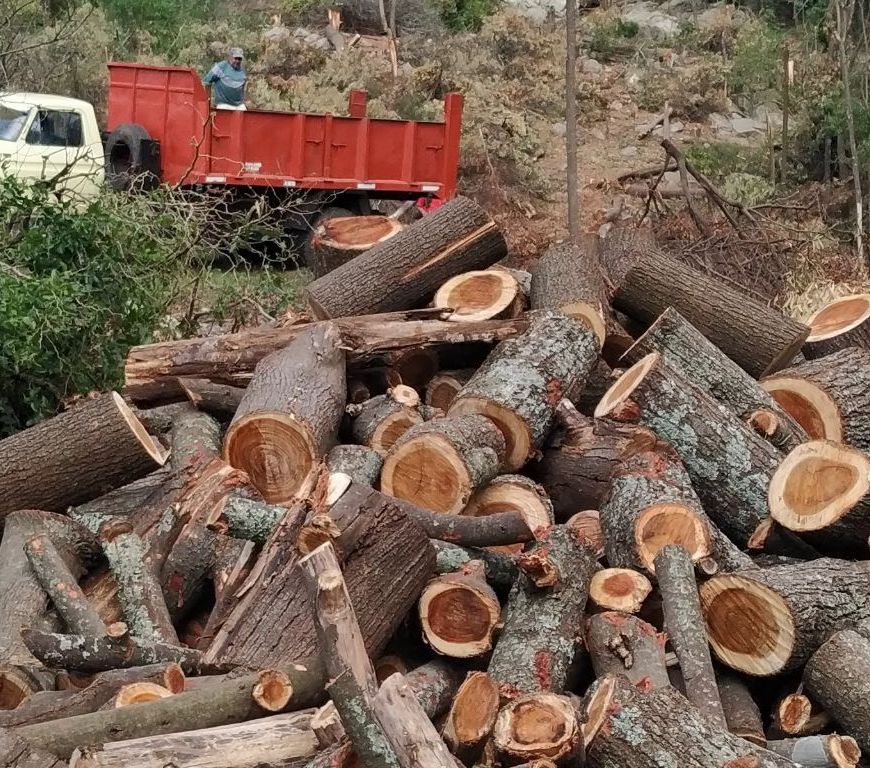
Nitrogen-fixing trees: friends or foes of oak-hickory forests?

Nina Wurzburger discusses new research exploring the impacts of nitrogen fixers on tree species in recovering temperate forests. Finding evidence of a detrimental effect of nitrogen fixation on oak-hickory biomass, Wurzburger and colleagues suggest management techniques to manage forest nitrogen cycles. Nitrogen fixation: A crash course Nitrogen-fixing plants are nature’s answer to fertilizer. These plants partner with special bacteria that convert atmospheric nitrogen in exchange … Continue reading Nitrogen-fixing trees: friends or foes of oak-hickory forests?

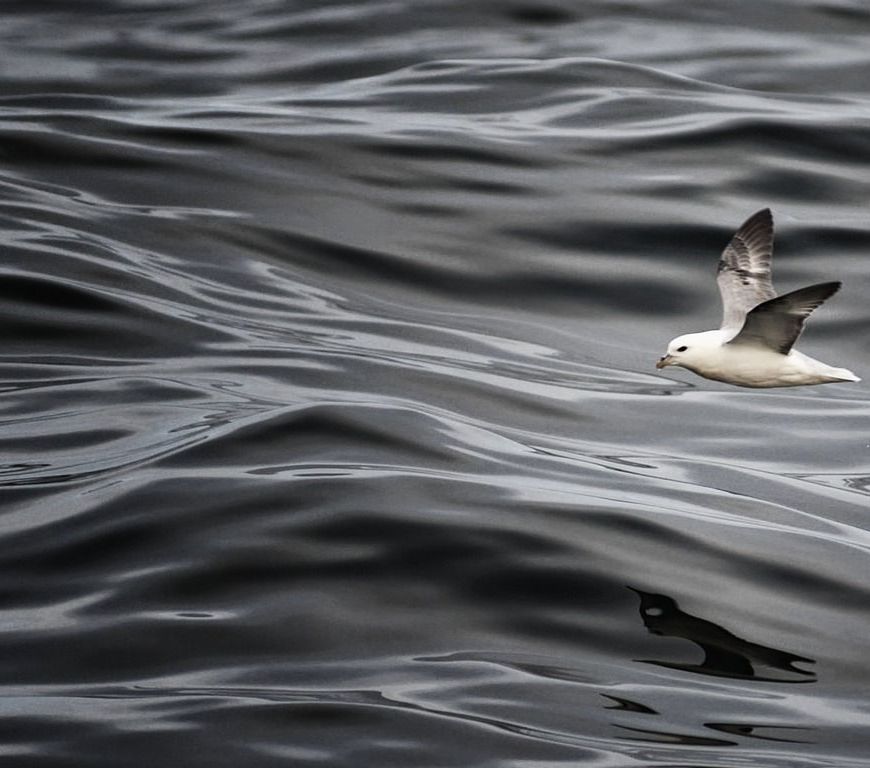
Modelling spatial variation in an exploited species across marine reserve boundaries

In their new study, Benn Hanns and Nick Shears evaluate common modelling assumptions used to assess the extent of spill-over and edge effects of marine species from protected-areas. Their findings highlight the potential for erroneous conclusions about these phenomena when inappropriate modelling strategies are used. Species dynamics in marine reserves Increases in exploited species within marine reserves can benefit adjacent fished areas as individuals move … Continue reading Modelling spatial variation in an exploited species across marine reserve boundaries

Umo  kumala kwankholongo kukhwaskira mabutterfly muvigawa vya mu AFrica – Kasi walimi wachokowachoko wangaovwira kuwezgera, kupwerelera mabutterfly

Cassandra Vogel na Vera Mayer, wafumiska kafuku-fuku wawo mwasonosono wakulongola kuchepa kwa malo yakukhalamo wabulawula mu Malawi. Wakughanaghana vyakusambizga walimi wachoko-wachoko kuti wasazgileko kulima mbewu za mitundu yinandi izo zikufumiska maluwa.Kweniso kuwoneskeska kuti wachitenge,panyakhe walimenge nthowa izo zikuwezgelengemo nyata mudongo. Continue reading Umo  kumala kwankholongo kukhwaskira mabutterfly muvigawa vya mu AFrica – Kasi walimi wachokowachoko wangaovwira kuwezgera, kupwerelera mabutterfly

Woodland loss impacts butterfly communities in Africa – can smallholder farmers help conserve them?

Cassandra Vogel and Vera Mayer present their latest research into the effects of habitat loss on butterflies in Malawi, suggesting that encouraging smallholders to increase the diversity of flowering crops and implement sustainable soil practices is needed. Continue reading Woodland loss impacts butterfly communities in Africa – can smallholder farmers help conserve them?

Biodiversity in landscape mosaics: Local land use, landscape and dung beetle assemblages

Raquel Carvalho and Ellen Andresen explain new research that evaluates the impact of land use, landscape structure, and their interactions, on dung beetles, a group of insects that provides many ecosystem services. Carvalho et al demonstrated that both factors act together to shape biodiversity patterns, and that the effect of landscape structure often depends on the specific land use studied. The problem Understanding the impact … Continue reading Biodiversity in landscape mosaics: Local land use, landscape and dung beetle assemblages