Landscape heterogeneity as a management tool to offset negative effects of habitat loss in agroecosystems


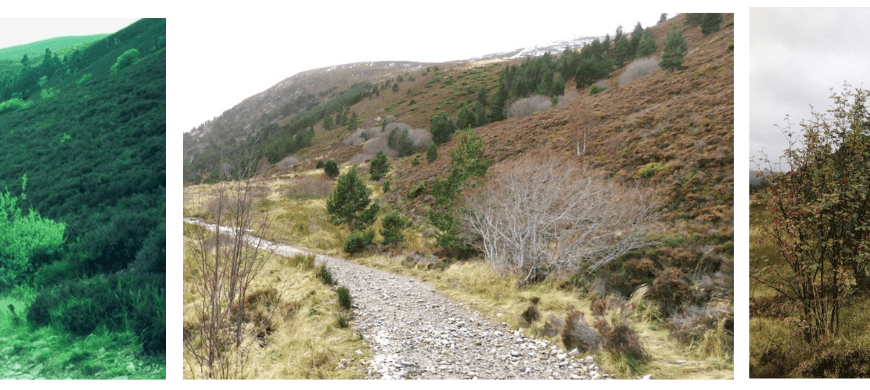
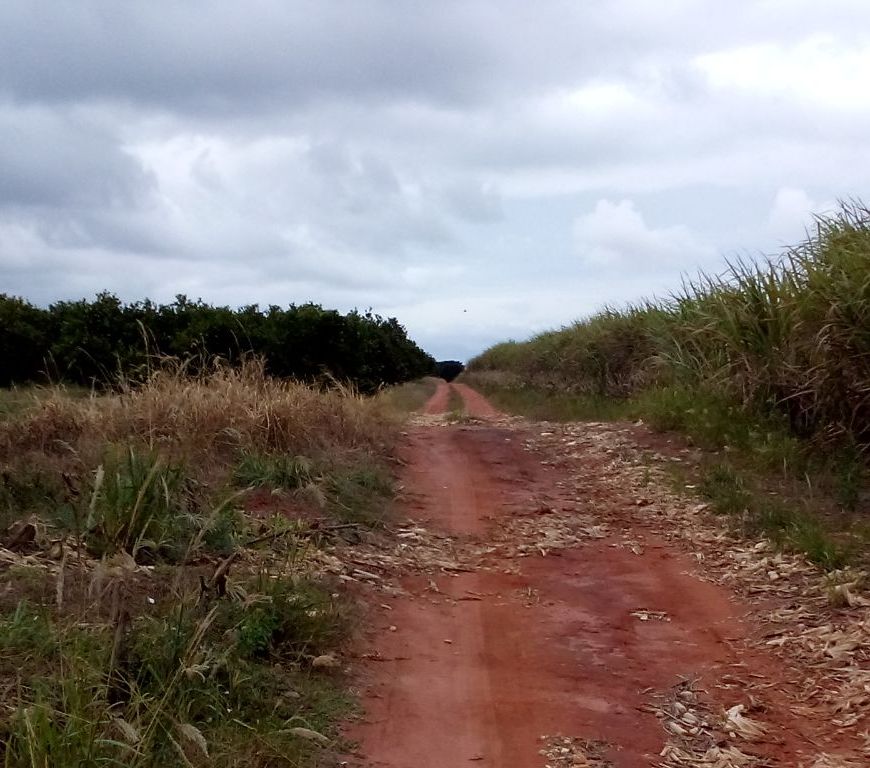
Marcella do Carmo Pônzio and Nielson Pasqualotto summarise their latest research in which they and colleagues investigated the effects of landscape heterogeneity and native vegetation cover on richness and composition of native and invasive mammals, across 55 landscapes in the Brazilian Savanna, Cerrado. A global process and a knowledge gap Intensive agriculture has significantly transformed landscapes by replacing native habitats and diversified small-scale farming into … Continue reading Landscape heterogeneity as a management tool to offset negative effects of habitat loss in agroecosystems
SolBeePop: A model of solitary bee populations in agricultural landscapes

Amelie Schmolke discusses recent work, conducted alongside colleagues, which involved the development of a trait-based model for solitary bees. Schmolke et al were able to model management scenarios and possible outcomes for bee species with incomplete trait data. An introduction to bees When thinking about bees, people often think of the honey bee. But there are over 20,000 species of bees in the world, most … Continue reading SolBeePop: A model of solitary bee populations in agricultural landscapes

Long-term Monitoring: The key to unlocking effective Marine Protected Area Management?

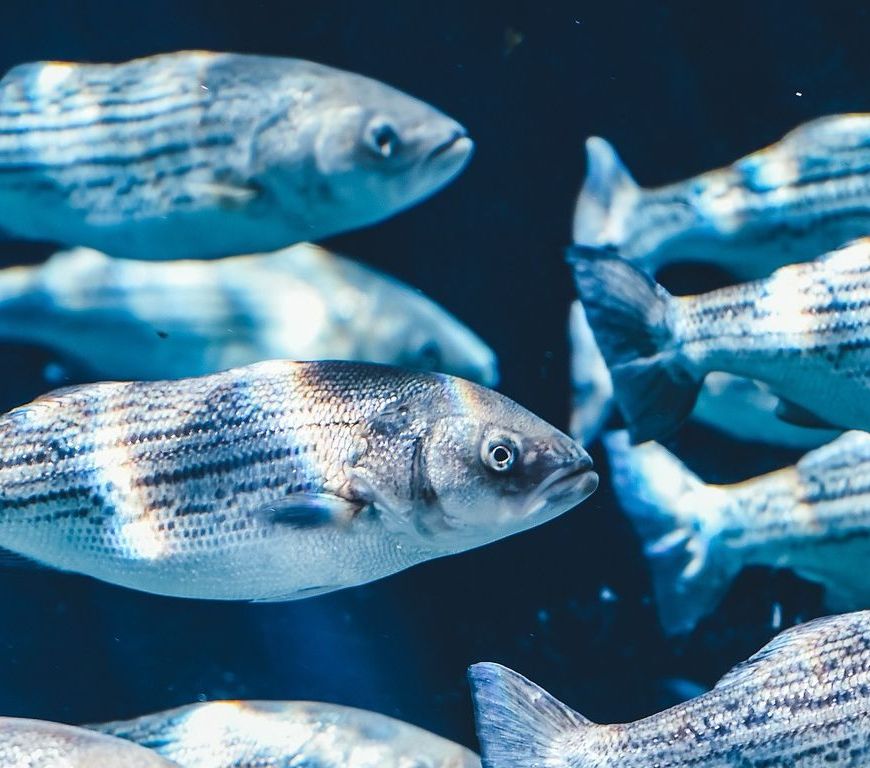
Christopher Honeyman talks us through recently published work which compared three Marine Protected Area (MPA) monitoring techniques, along with colleagues. Interestingly, each technique was shown to survey distinct groundfish community assemblages with varying levels of species diversity and richness. Therefore, combining multiple techniques may better allow managers to create the most comprehensive, effective and inclusive MPA monitoring regimes. A global phenomenon In response to human-caused … Continue reading Long-term Monitoring: The key to unlocking effective Marine Protected Area Management?

Editor’s Choice 60:11 Woodland Expansion in the Presence of Deer

Pip Gullet, Mark Hancock and Sydney Henderson summarise the Journal of Applied Ecology’s November’s Editor’s Choice research article. This study presents 30 years of regeneration monitoring to show a consistent, large-scale expansion of native woodland, largely through natural regeneration alongside deer culling, without the use of fences. Continue reading Editor’s Choice 60:11 Woodland Expansion in the Presence of Deer

Black History Month 2023 – Adaoyibo Denise Okpala

For Black History Month 2023, the British Ecological Society (BES) journals are celebrating the work of Black ecologists from around the world and sharing their stories. In this blog, Adaoyibo shares her story and journey in academia. Name: Adaoyibo Denise Okpala Affiliation: University College London/Economic Community of West African States Ecology interests: Marine, Biodiversity, Sustainability Links: You can find Adaoyibo on LinkedIn here. Your story – … Continue reading Black History Month 2023 – Adaoyibo Denise Okpala

Dolar ve sent olarak biyolojik istilalar

Ali Serhan Tarkan ve Ismael Soto, biyolojik istilalar ve etkileri hakkında meslektaşlarıyla birlikte yürüttükleri çalışmayı tartışıyorlar. Çalışma, istilaları etkili bir şekilde yönetmek için karar verici mekanizmaların kararlarını kuvvetlendirecek güvenilir bilgilere ihtiyaç olduğunu ortaya koymaktadır. Continue reading Dolar ve sent olarak biyolojik istilalar

Die Berücksichtigung der Kosten biologischer Invasionen in Risiko-Evaluationen

Ali Serhan Tarkan und Ismael Soto diskutieren ihr kürzlich veröffentlichte Arbeit über neuartige biologische Invasionen und ihre Auswirkungen. Die Studie legt nahe, dass Entscheidungsträger solide Informationen — inklusive hinsichtlich monetärer Kosten — benötigen, um Invasionen effektiv zu managen. Continue reading Die Berücksichtigung der Kosten biologischer Invasionen in Risiko-Evaluationen

Calculando los costes económicos de las invasiones biológicas

Ali Serhan Tarkan e Ismael Soto discuten en su trabajo recientemente publicado, realizado con un equipo interdisciplinario, que trata sobre las nuevas invasiones biológicas y sus impactos. El estudio sugiere que, para gestionar eficazmente las invasiones, los gestores de decisiones necesitan información sólida en la cual basar sus decisiones. Continue reading Calculando los costes económicos de las invasiones biológicas

Factoring in the dollars and cents of biological invasions

Ali Serhan Tarkan and Ismael Soto discuss recently published work, conducted with colleagues, surrounding novel biological invasions and their impacts. The study suggests that, to effectively manage invasions, decision-makers need solid information to base decisions on. Continue reading Factoring in the dollars and cents of biological invasions

Editor’s Choice 60:10 Can management measures be used to reduce the impact of extreme events in the early life of fish?

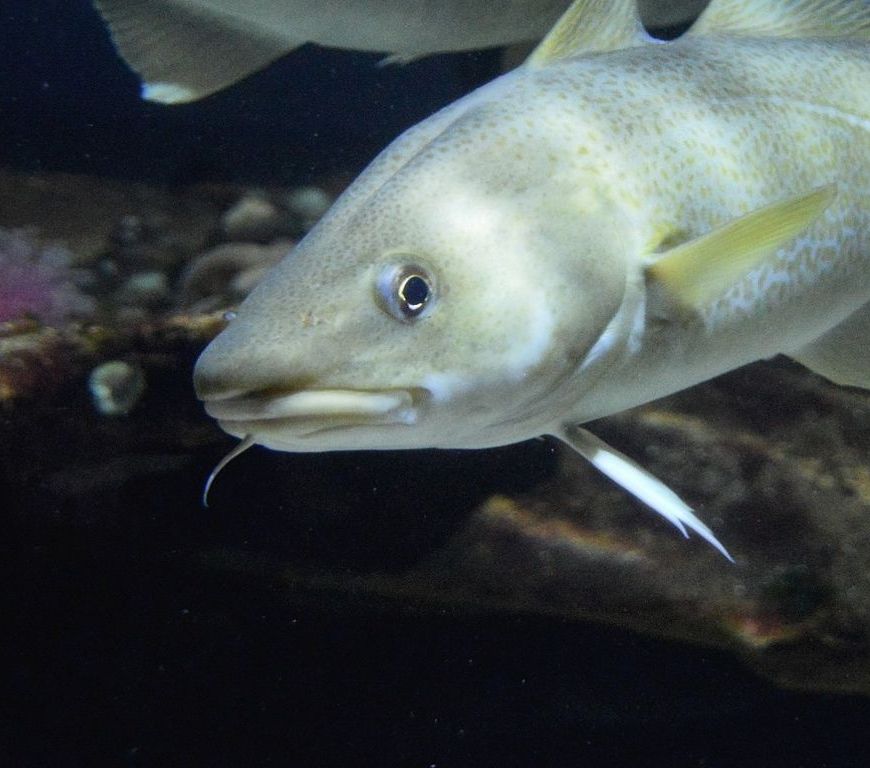
Author Lucie Buttay summarises Journal of Applied Ecology’s October’s Editor’s Choice research article. Conducted with colleagues, this study used a life cycle model to simulate ‘what if’ scenarios around Northeast Arctic cod eggs and larvae. Extreme climatic events, (e.g. heat waves and storms) are becoming more frequent and intense, and on top of that, the ever-growing development of human activities at sea, entails an increasing … Continue reading Editor’s Choice 60:10 Can management measures be used to reduce the impact of extreme events in the early life of fish?