When fire meets warming: Managing mountain grasslands in a hotter world

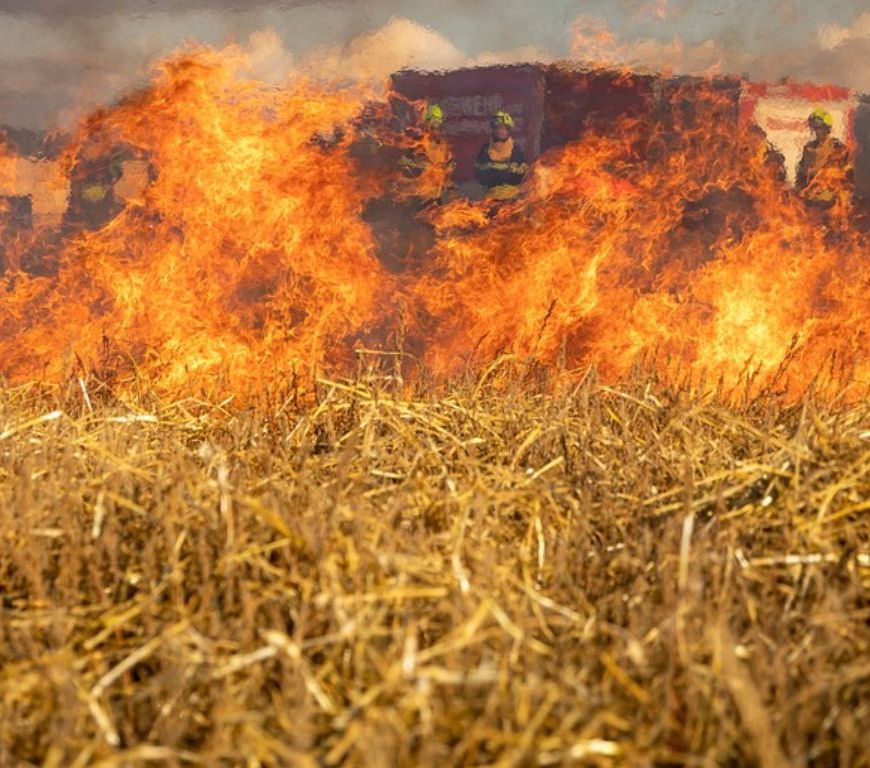
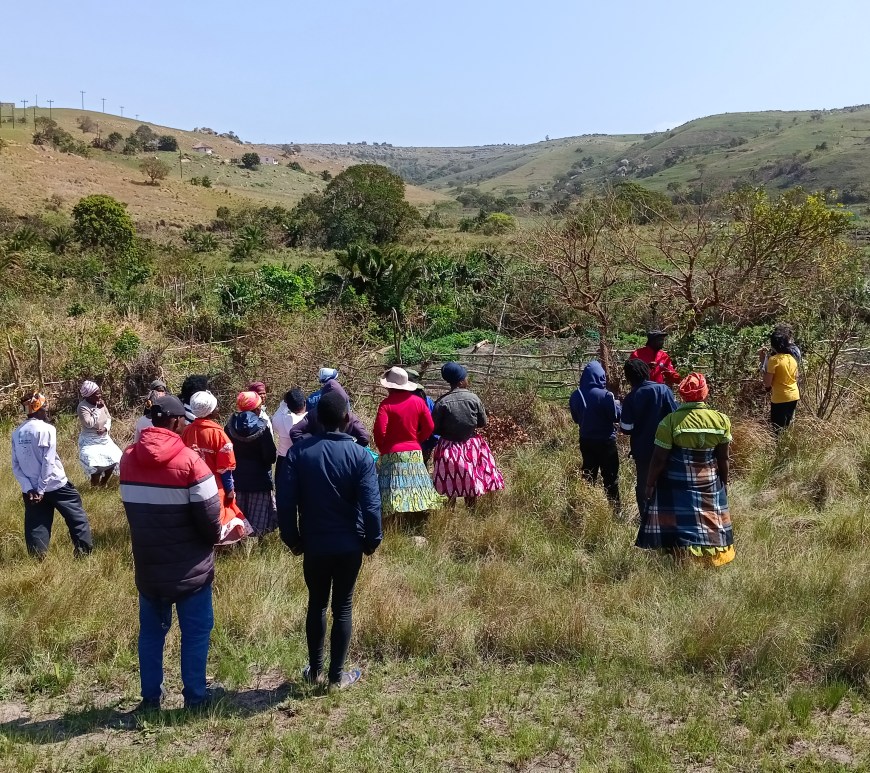
Fire has shaped mountain grasslands for thousands of years and remains essential for keeping them healthy. But as the climate warms, we need to understand how rising temperatures and fire together will affect these ecosystems. In our study, we tested how warming and different fire frequencies interact in the Drakensberg Mountains of South Africa. In 2017, we added small open top chambers to a long-running … Continue reading When fire meets warming: Managing mountain grasslands in a hotter world

Can rule-based mapping support nature recovery planning?

Reliable habitat maps sit at the heart of biodiversity monitoring, natural capital accounting and nature recovery planning. Recent policy developments in the UK have made this even more important. The UK Land Use Framework highlights the need for a coherent national land-use evidence base and better integration of spatial data across sectors. However, producing consistent habitat maps at large scales is not straightforward. Field surveys … Continue reading Can rule-based mapping support nature recovery planning?

Biodiversity in soil seedbanks remains high after low-intensity fire

Prescribed burning is the act of intentionally burning an ecosystem and is used in fire-prone regions around the world to manage fuel loads or conserve biodiversity. Some ecosystems experience fires that are too hot or occur too frequently, while other areas suffer from a lack of fire. Prescribed burning at the right intensity and frequency can help minimise the risk of wildfire while also promoting … Continue reading Biodiversity in soil seedbanks remains high after low-intensity fire

Come migliorare la stima dell’abbondanza locale dei pesci costieri del Mediterraneo

Stimare quanti pesci vivono nelle aree costiere è fondamentale per proteggere gli ecosistemi marini e gestire le risorse in modo sostenibile. In questo studio, mettiamo in evidenza che il DNA presente nell’acqua di mare può aiutare a stimare meglio l’abbondanza dei pesci. Infatti, contare i pesci non è sempre facile. I metodi tradizionali, come quelli basati su catture di pesca, possono essere costosi, distruttivi o … Continue reading Come migliorare la stima dell’abbondanza locale dei pesci costieri del Mediterraneo

Mejorando las estimaciones de la abundancia de los peces costeros del Mediterráneo

Conocer cuántos peces hay en nuestras costas es esencial para proteger los ecosistemas marinos y asegurar una gestión sostenible de los recursos. En este estudio, demostramos que el ADN que hay en agua de mar puede ser una herramienta clave para ayudar a predecir mejor la abundancia de dichos peces. Contar peces no siempre es tarea fácil. Los métodos tradicionales, como la pesca, pueden ser … Continue reading Mejorando las estimaciones de la abundancia de los peces costeros del Mediterráneo

Comment mieux estimer l’abondance locale des poissons côtiers de Méditerranée

Estimer combien de poissons vivent dans les zones côtières est essentiel pour protéger les écosystèmes marins et gérer durablement les ressources. Dans cette étude, nous montrons que l’ADN présent dans l’eau de mer peut aider à mieux prédire l’abondance des poissons. En effet, compter les poissons n’est pas toujours simple. Les méthodes classiques, comme les captures de pêche, peuvent être coûteuses, destructrices ou difficiles à … Continue reading Comment mieux estimer l’abondance locale des poissons côtiers de Méditerranée

How to better estimate local abundance of Mediterranean coastal fish

Estimating how many fish live in coastal areas is essential for protecting marine ecosystems and managing resources sustainably. In this study, we show that DNA present in seawater can help better predict fish abundance. Indeed, counting fish is not always easy. Traditional methods, such as fishing catches, can be costly, destructive, or difficult to implement in certain protected or dangerous areas. A recent method involves … Continue reading How to better estimate local abundance of Mediterranean coastal fish

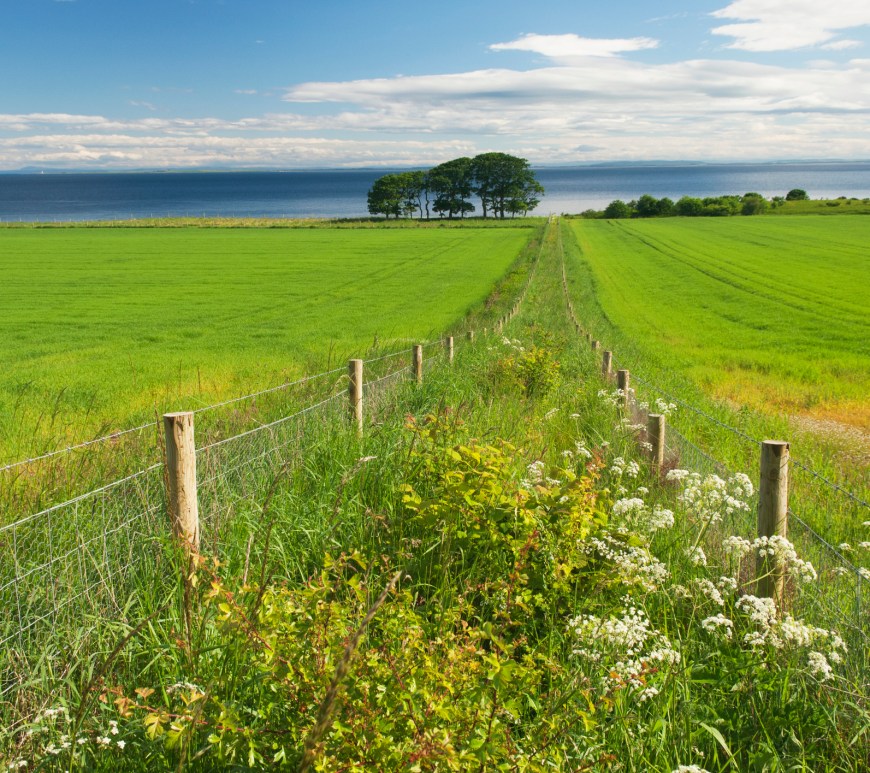
Creating small clearings helps herbivores keep trees from taking over savannas

In many parts of the world, grasslands and savannas are being taken over by trees. This change reduces biodiversity and alters how these ecosystems work. We wanted to test a simple, low-cost way to slow this process and help restore open grassy areas. In our study, we created small clearings (“glades”) by cutting trees in a heavily wooded savanna in South Africa. We compared these … Continue reading Creating small clearings helps herbivores keep trees from taking over savannas

Conservation is becoming more evidence-based, but it still has a long way to go

Written by Alec Christie, Centre for Environmental Policy, Imperial College London. For more than two decades, conservationists have been encouraged to use the best available evidence to inform their decisions – a concept called ‘Evidence-based Conservation’. The idea is simple: rather than relying only on personal experience, tradition, or intuition, practitioners should draw on evidence from the wider literature and other forms of knowledge to … Continue reading Conservation is becoming more evidence-based, but it still has a long way to go

Species lists can mislead: Island management should map species interactions

Seed dispersal is essential for plant regeneration, especially on islands where many plants rely on animals to move seeds to safe places to survive. But because this process is hard to observe directly, conservation decisions often fall back on easier measures such as species counts. This can be misleading, because ecosystems are not only defined by the species they contain, but also by the relationships … Continue reading Species lists can mislead: Island management should map species interactions