Do roads pose a significant barrier to bee movement?

Did the bee cross the road? If not, why not – and what does this mean for the flowers on the other side? In their latest research, Fitch & Vaidya investigate the influence of roads on pollinator movement and pollination by examining patterns of pigment transfer between focal plants of two species. We know that large highways kill billions of insects each year, but whether roads … Continue reading Do roads pose a significant barrier to bee movement?

Rainbow Research: Contribute to our Pride Month Blog Series!

Originally posted on Methods Blog:
We are inviting contributions from LGBTQ+ ecologists and evolutionary biologists for a series of blog posts across the British Ecological Society journals for UK Pride Month, which takes place in June. The series, called Rainbow Research, aims to promote visibility and inclusion of researchers from the LGBTQ+ community with posts promoting them and their research. Each post will be connected to… Continue reading Rainbow Research: Contribute to our Pride Month Blog Series!

Research Stories: The hunt for arctic aliens

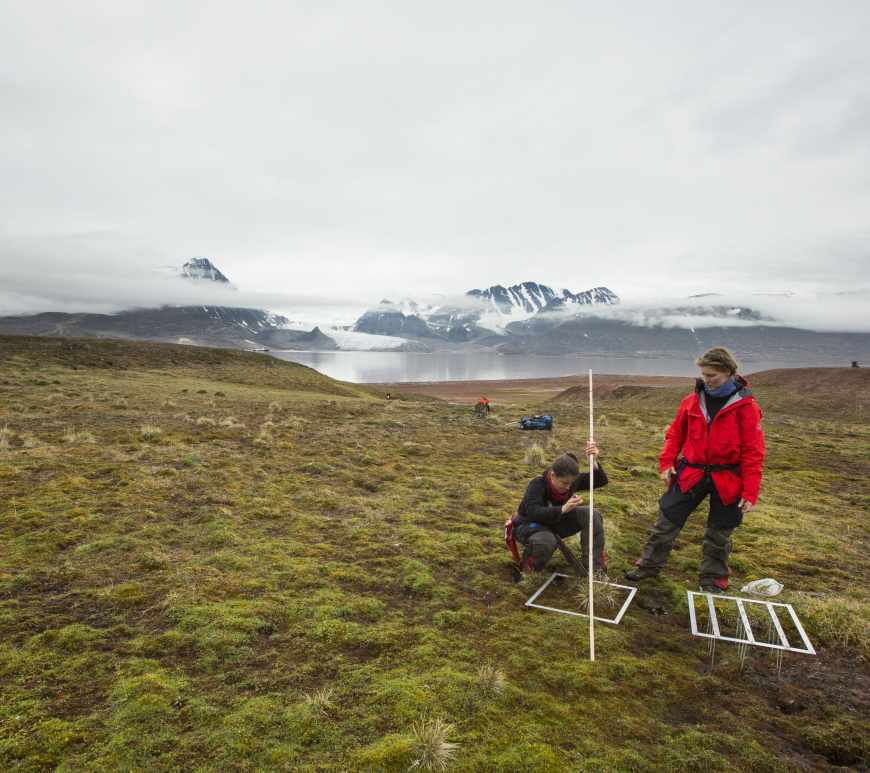
Authors Ronja Wedegärtner and Jesamine Bartlett recall their team’s expedition in the high-Arctic Svalbard to monitor alien flora and publish their latest research which presents the most comprehensive survey of alien vascular species in the archipelago to date. Whilst we do not hunt for extra-terrestrial aliens that may or may not be hidden under the ice (as some on the more unbridled sections of the … Continue reading Research Stories: The hunt for arctic aliens

The hidden benefits of chocolate: cacao agroforests offer a conservation solution that supports biodiversity and livelihoods.

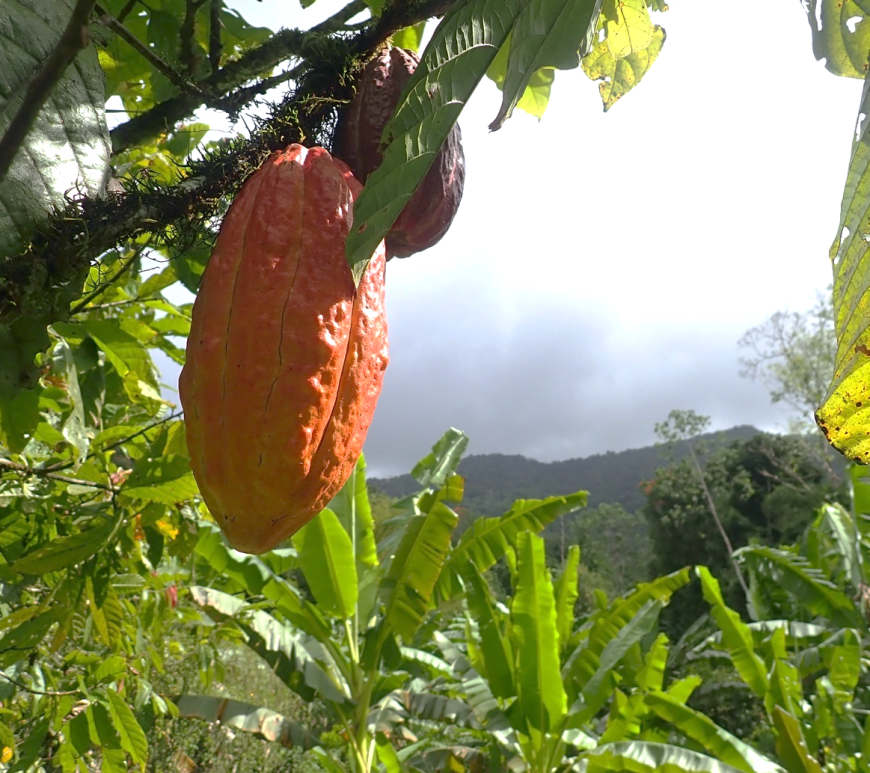
New work by Arnold and colleagues shows that sustainably grown cacao is a conservation solution which can support both people and nature, and that cacao agroforests and secondary forest can enrich regional biodiversity. Conservation initiatives have traditionally focused on protecting untouched natural areas. While this is important, we also need to understand how biodiversity can be promoted not as an alternative to human use of … Continue reading The hidden benefits of chocolate: cacao agroforests offer a conservation solution that supports biodiversity and livelihoods.

Drones and Citizen Scientists – the future of ecology

Why are the United Nations advocating for citizen science and technology? Using an Australian case study, let’s see how drones and local communities may be the answer to large scale and ongoing ecological monitoring. In the past, research in inaccessible areas has been limited to either small samples sizes, due to high costs and safety issues, or lower resolution data from satellites. However, drones can … Continue reading Drones and Citizen Scientists – the future of ecology

Southwood Prize 2020: early career researcher winner announced

We’re excited to announce Pu Jia as the winner of this year’s Southwood Prize, celebrating the best paper by an early career researcher in the 2020 (57th) volume of Journal of Applied Ecology. Pu’s winning paper is Plant diversity enhances the reclamation of degraded lands by stimulating plant–soil feedbacks. About the research While the ecological literature on the linkages between biodiversity and ecosystem function is rich, … Continue reading Southwood Prize 2020: early career researcher winner announced

Ecological Solutions and Evidence Prize 2020: early career researcher winner announced

We’re excited to announce Christina Service as the winner of the inaugural Ecological Solutions and Evidence Prize, celebrating the best Research Article in the journal by an author at the start of their career. Winner: Christina Service Research: “Spatial patterns and rarity of the white‐phased ‘Spirit bear’ allele reveal gaps in habitat protection” About the research While the American black bear (Ursus americanus) is a … Continue reading Ecological Solutions and Evidence Prize 2020: early career researcher winner announced

Simple, low-cost tools can mitigate the negative impacts of climate change on incubating sea turtle clutches.

Successful incubation and production of male sea turtle hatchlings is threatened by increased global temperatures. In their latest research, Clarke and colleagues test the efficacy of two potential nest intervention approaches in reducing nest incubation temperatures in a nesting loggerhead turtle population in the Eastern Atlantic Ocean. Sea Turtles Are Vulnerable to Climate Change The Intergovernmental Panel on Climate Change (IPCC) predicts increases in global mean … Continue reading Simple, low-cost tools can mitigate the negative impacts of climate change on incubating sea turtle clutches.

ESE Editor’s Choice 2:1 – Answering the call for evidence-based conservation science teaching

Is conservation science failing to prepare students to make an effective contribution to conservation practice? Associate Editor Costanza Rampini introduces our latest Editor’s Choice article by Downey et al. calling for a wider teaching of evidence-based conservation. Although the past 20 years have seen a huge increase in the amount of scientific information available to conservationists, conservation practitioners and land managers still too often rely … Continue reading ESE Editor’s Choice 2:1 – Answering the call for evidence-based conservation science teaching

Fire is a globally important driver of ecosystem composition, structure and function

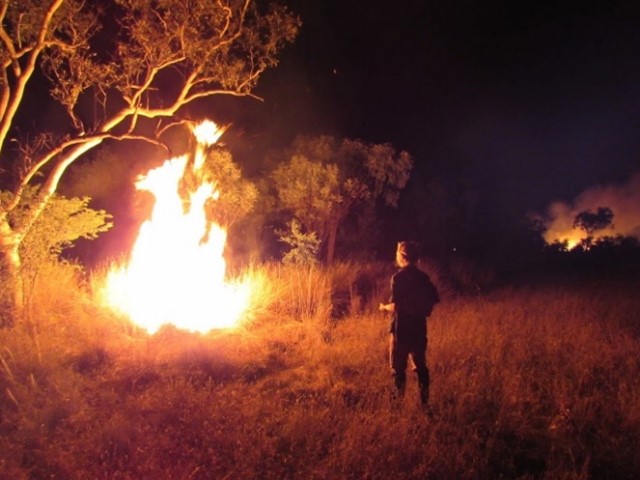
In fire-prone landscapes, appropriate fire management may help bring native mammals back from the brink of extinction. In a new paper, Shaw et al. use prescribed burning to understand how small mammal populations recover after fire, so that recovery mechanisms can be incorporated into management strategies. Fire plays a pivotal role in ecosystems around the world, influencing where species are found, their abundance in the … Continue reading Fire is a globally important driver of ecosystem composition, structure and function