Behind the Cover 1:1 – Q&A with Alex Braczkowski

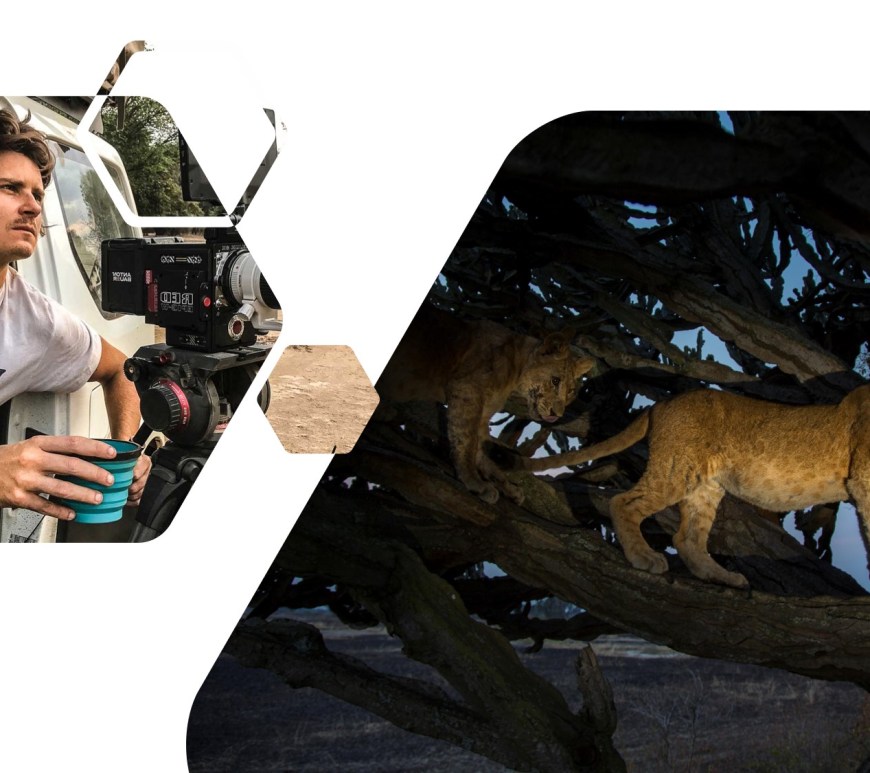
In this Q&A, we find out more about the author and research: “Detecting early warnings of pressure on an African lion (Panthera leo) population in the Queen Elizabeth Conservation Area, Uganda” behind the brilliant cover image of our inaugural issue. The research What’s your article about? Our article is about the status of African lions in western Uganda and how a recently developed population survey technique … Continue reading Behind the Cover 1:1 – Q&A with Alex Braczkowski

Editor’s Choice 57:08 – The mechanisms underlying crop colonisation, aggregation and damage in an insect pest

New research by Lauren Brzozowski and colleagues develops our understanding of how plant preference gradients mediate herbivore behaviour, and how this can ultimately help us manage crop damage from insect pests. Associate Editor, Ian Kaplan collaborates with Christie Shee to introduce our new Journal of Applied Ecology Editor’s Choice article, Attack and aggregation of a major squash pest: Parsing the role of plant chemistry and … Continue reading Editor’s Choice 57:08 – The mechanisms underlying crop colonisation, aggregation and damage in an insect pest

ESE Editor’s Choice 1:1 – Understanding invasive plant phenology to better protect native island species

Laysan albatrosses amongst a field of golden crownbeard © David Dow Taylor et al.’s recent From Practice article details a case study on Midway Atoll that demonstrates the importance of understanding plant phenology to better control and eradicate non-native species. Lead Editor Carolyn Kurle highlights this article as the inaugural Ecological Solutions and Evidence Editor’s Choice. Invasive species on islands are an enormous problem; largely … Continue reading ESE Editor’s Choice 1:1 – Understanding invasive plant phenology to better protect native island species

Protected high-value reefs and movement pathways improve conservation of reef sharks

New research from Gerardo Martín and colleagues looks at how we might support shark species if protected areas are multi-use and still open to fishing. The key is focusing on reefs preferred by sharks and developing our knowledge of shark movement pathways. Here the authors share their work and look at how we can improve species conservation while still supporting communities that depend on coral … Continue reading Protected high-value reefs and movement pathways improve conservation of reef sharks

Lessons from an exemplary private wildlife reserve in Spain

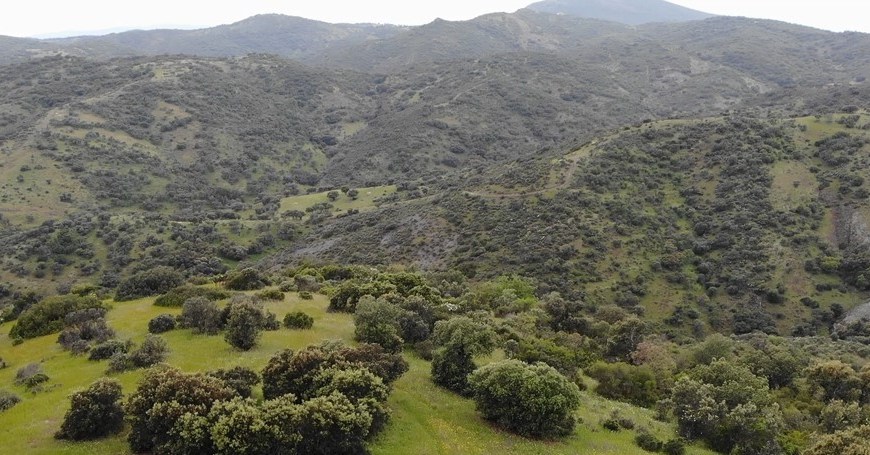
Global conservation targets mostly lean on public initiatives and resources but expanding conservation efforts to private land is paramount to halt biodiversity loss and recover wildlife. In their latest From Practice article, two applied scientists and two practitioners analyse a success story of a private wildlife reserve – the Los Barranquillos Wildlife Refuge in central Spain – which has been running for the past two … Continue reading Lessons from an exemplary private wildlife reserve in Spain

Do we really need to plant a trillion trees? Tree islands are an ecologically and economically sound strategy for tropical forest recovery

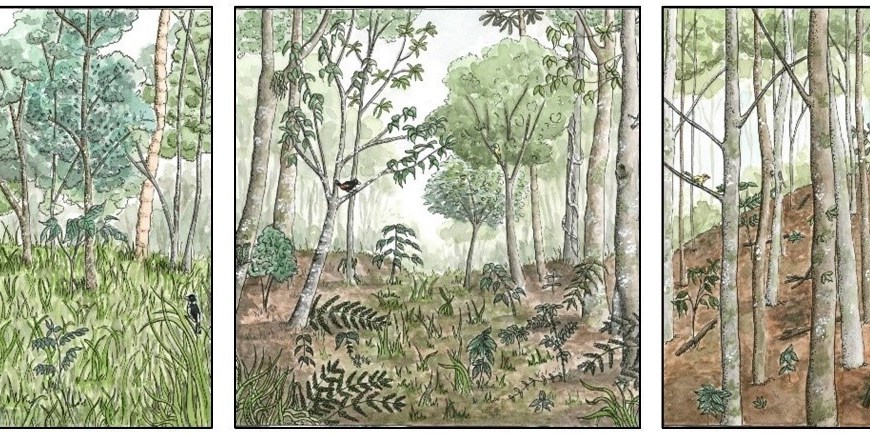
In their new research, Karen Holl, Leighton Reid and colleagues compare the use of tree islands to other strategies for tropical forest restoration. Here they share their findings, including ecological and economic benefits, as well as lessons to carry forward. A video summary of the research is also available in English and Spanish. A version of this blog was originally shared by Natural History of … Continue reading Do we really need to plant a trillion trees? Tree islands are an ecologically and economically sound strategy for tropical forest recovery

New study reveals rarity of the Spirit Bear and gaps in their protection in Canada’s Great Bear Rainforest

In their latest research, Service and colleagues map the distribution and frequency of the ‘Spirit bear’ allele to support conservation planning of these culturally important phenotypic variants. Author Christina Service shares her team’s findings below. Continue reading New study reveals rarity of the Spirit Bear and gaps in their protection in Canada’s Great Bear Rainforest

Flower strips, organic management or small-scale farming: which benefits pollinator abundance, richness and reproduction most?

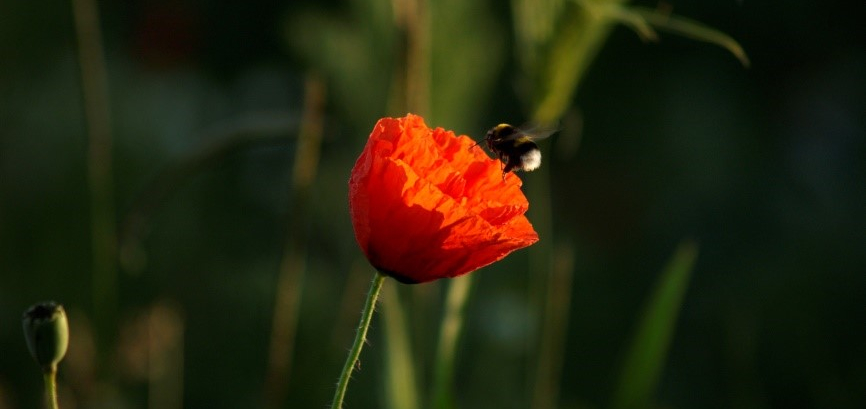
Exploring local and landscape management actions, Costanza Geppert and colleagues recognise the value of flower strips but also point to the importance of organic agriculture when it comes to maintaining pollinator richness. Their new insights were recently published in Journal of Applied Ecology. In recent years, the ‘insect Armageddon’ has received growing attention in Europe. The main driver of this insect decline is agricultural intensification, … Continue reading Flower strips, organic management or small-scale farming: which benefits pollinator abundance, richness and reproduction most?

Igor Khorozyan: How to protect cattle from leopard attacks

In this Q&A, we discussed with author Igor Khorozyan the background behind his team’s recently published article: “Studded leather collars are very effective in protecting cattle from leopard (Panthera pardus) attacks” and the wider implications of the research, as well as finding a little bit more about the author himself. The research What’s your article about? In this article, we studied how good protective collars … Continue reading Igor Khorozyan: How to protect cattle from leopard attacks

Green-tree retention benefits recovery of ground beetles

In their new research, Linhao Wu and colleagues set out to answer the question ‘how do retention harvest and forest type together affect the conservation and recovery of ground beetles assemblages’?  Ground beetles (members of the family Carabidae) are common and important components of forest biodiversity. Because they are easy to collect, highly diverse and sensitive to habitat changes, they have been widely used as … Continue reading Green-tree retention benefits recovery of ground beetles