Voting time! What would you like to see on the blog?

Complete our poll or leave a comment and let us know the types of content you’re interested in. We’re pleased to share a variety of different types of posts with you, from summaries of new research to event reports and community posts. But, as we continue to develop The Applied Ecologist’s Blog, we want to make sure the content we share suits your needs and … Continue reading Voting time! What would you like to see on the blog?

Identifying fishery risk zones for seabird populations

Part of our Spotlight, Management of wide-ranging species, Thomas A. Clay explains how advances in remote tracking technology are offering us a glimpse into the mysterious life of the albatross in the hope of developing conservation measures to protect seabirds from bycatch risks. The authors have adapted this post from an article they previously shared with BirdLife International. Albatrosses are iconic voyagers, well known for … Continue reading Identifying fishery risk zones for seabird populations

Protecting pollinators through better road verge management

In their recent study, Ben Phillips and colleagues reveal the importance of road verges as habitats for pollinators, as well as the negative impacts of current management actions. But how can we improve the situation? Most of us spend a good part of our days travelling on roads. The remains of the animals that stare back at us from the asphalt – the victims of … Continue reading Protecting pollinators through better road verge management

Cover stories: recovering beauty

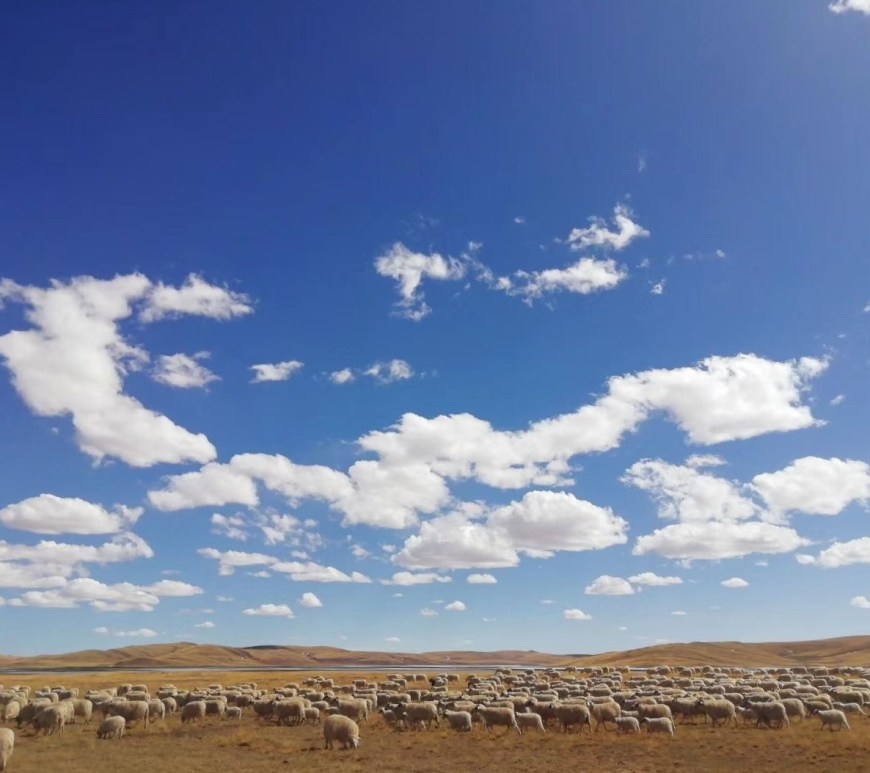
Our August cover image by Guiyao Zhou (East China Normal University) shows how livestock grazing activities potentially alter many ecosystem functions such as carbon sequestration. But these effects can be markedly regulated by the associated global change factors (e.g., warming, nitrogen addition and drought). Here Guiyao shares the story behind the cover image and the grassland ecosystem work it represents.  These photos were taken in Wayan mountain, a very beautiful alpine meadow … Continue reading Cover stories: recovering beauty

Spotlight: management of wide-ranging species

In issue 56:8 we showcase the research, technology and mitigation efforts going into the management of wide-ranging species today. Join Associate Editor, Johan du Toit in exploring this selection of work, free to read in the journal for a limited time. The ability to range widely across our planet conveys a game-changing advantage to certain animals, as was realised by humans when they discovered that … Continue reading Spotlight: management of wide-ranging species

Editor’s Choice 56:8 – could periodic fisheries closures become a more mainstream tool in the future?

Associate Editor, Hedley Grantham discusses our August Editor’s Choice article, Optimized fishing through periodically harvested closures by Carvalho et al. Fisheries management, and sustainable marine management more broadly, require an assembly of management strategies to be effective. Two primary fisheries management tools are catch and effort restrictions, which are often not very spatially-specific. In contrast, spatially-explicit permanent fishing closures like no-take marine reserves are an … Continue reading Editor’s Choice 56:8 – could periodic fisheries closures become a more mainstream tool in the future?

Does harvest dampen or amplify the effects of climate change on natural populations?

Gamelon et al. aim to answer this question in their recently published Commentary. The harvest-interaction hypothesis Natural populations in marine to terrestrial ecosystems are experiencing a climate that is rapidly changing. These changes can induce marked fluctuations in population size over years and lead to higher extinction risk. In addition to human-induced changes in climate, many natural populations are affected by harvest, with removal of … Continue reading Does harvest dampen or amplify the effects of climate change on natural populations?

春の日本の水田

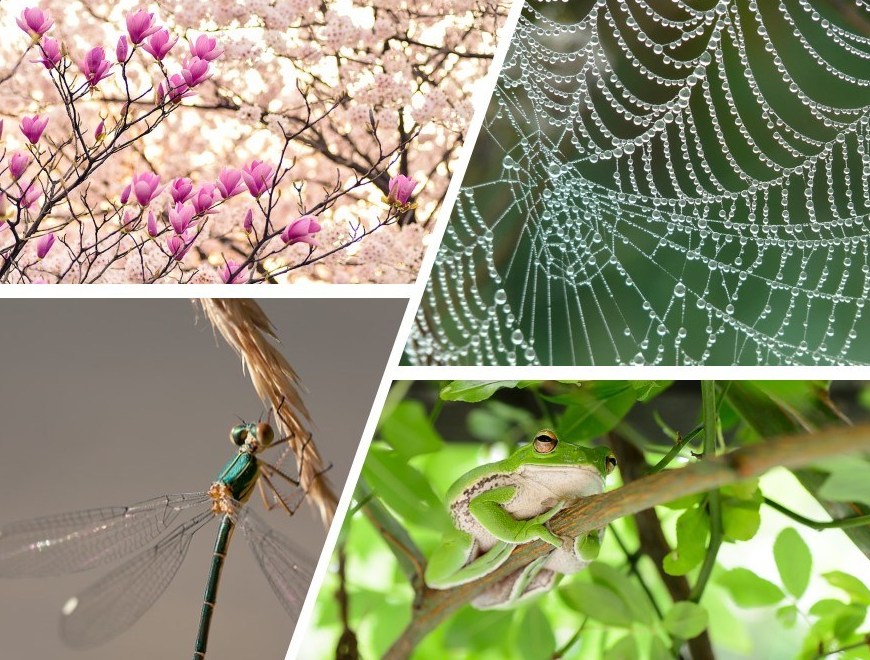
片山直樹氏らの日本での研究によると、有機稲作は従来の農業よりも多くの植物、クモ、トンボ、カエル、水鳥を支えている。 A version of this post in English is available here. 20世紀半ば以降の農業の集約化と、より近年の耕作放棄は、農地の生物多様性に対する大きな脅威となっている。有機農法と低投入型農法(化学合成農薬および肥料の削減)は、農地の生物多様性を、進行中の生息地の損失と劣化から守る手段として期待されている。それにもかかわらず、有機農法や低投入型農法が生物多様性にもたらす利益についての知見は、主要な米の生産地であるアジアでは非常に少ない。 著者らの研究では、有機農法や低投入型農法で増える可能性のある様々な生物群(植物、クモ、トンボ、カエル、魚、および鳥)を、有機農法または低投入農法の水田で調査し、近隣の慣行農法の水田と比較した。1000以上の日本の圃場で現地調査を行った。日本では、主に地球温暖化防止や生物多様性保全のために、有機農法や低投入型農法を実施している農家に対して、国や自治体が支援を行っている(0.1 ha当たり最大8,000円=2019年5月21日時点で約72.6 USDまたは65.1 EURに相当)。 著者らは、有機農法の水田において、多くの生物群(在来およびレッドリスト植物、アシナガグモ属、アカネ属、およびトノサマガエル属)の種数・個体数が最も多くなることを実証した。水鳥の種数と個体数は、地域内の有機農法の実施面積に比例して増加し、これは広範囲で食物量を高めることの重要性を示唆した。また低投入型農法の水田は、慣行農法の水田よりも植物の種数とアシナガグモ属・アカネ属の個体数が多かった。さらに著者らは、農業者へのインタビューを通じて収集した農地管理に関するデータを用いて、化学合成農薬の低減や回避だけでなく、輪作の非実施、畦畔植生の維持および空間的にまとまった有機農業の実施によって、生物多用性に配慮した稲作が可能になることを示した。 これらの結果から、慣行農法と比較して、有機および低投入型稲作が農地の生物多様性が豊かであることが明らかになった。これにより、日本で実施されている農業環境政策(有機・特別栽培等に対する交付金制度)の効果について、科学的な評価基盤を提供することができた。さらに、輪作を回避すること、畦畔植生を適当な高さに維持すること、および有機栽培を行う水田を空間的にまとめることも、特定の分類群の保全に有効であることがわかり、こうした取組の推進が望まれる。 全文を参照, 有機農法およびそれに関連する管理手法が複数の生物群に利益をもたらす:水田景観における大規模な野外調査, in Journal of Applied Ecology. Continue reading 春の日本の水田

On the benefits of organic farming: Japanese rice fields in spring

Based on their research in Japan, Naoki Katayama and colleagues highlight how organic rice farming supports more plants, spiders, dragonflies, frogs and waterbirds than conventional farming. A version of this post in Japanese is available here. The intensification of agriculture since the mid-20th century, and the more recent abandonment of farmlands, have presented major threats to farmland biodiversity. Organic farming and less strict low-input farming … Continue reading On the benefits of organic farming: Japanese rice fields in spring

The importance of forest remnants in human-modified landscapes

In a recently published study, Karp et al. explore the role of working landscapes in the conservation of species diversity. Here, Associate Editor, Ricardo Solar, discusses what their research means for today’s ecologists and conservation scientists. A Spanish version of this post is available here. We are witnessing a novel moment in our planet’s history, in which human-driven changes in the Earth’s system are among … Continue reading The importance of forest remnants in human-modified landscapes