We need to make applied ecology truly global to better face the challenges of the Anthropocene

Kicking off Peer Review Week 2018, Senior Editor Martin Nuñez reflects on geographical diversity in our own journals, where it’s been limited and what we’re doing to change that. How can we make ecology truly global? Update (Jan. 2019): you can now read our full Editorial on this topic for free in issue 56:1 of the journal. A Spanish version of this post is available … Continue reading We need to make applied ecology truly global to better face the challenges of the Anthropocene

A new method for predicting time to recovery during restoration

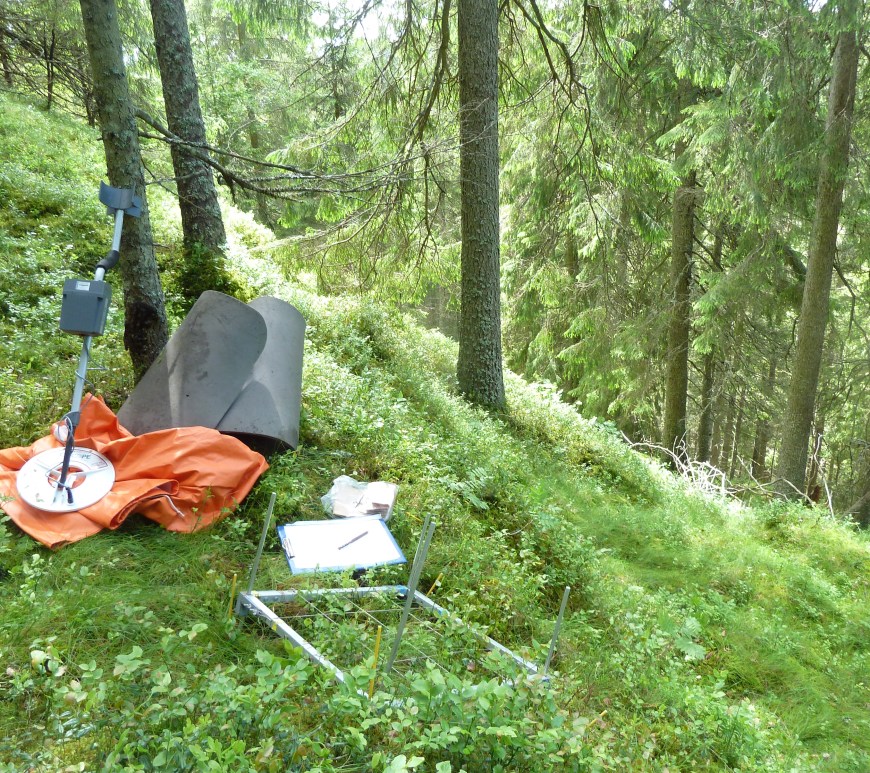
Associate Editor, Lars Brudvig looks at the recently published Review, Advancing restoration ecology: A new approach to predict time to recovery by Rydgren et al. Restoring degraded ecosystems is a global priority, hailed for its potential to recover biodiversity and promote ecosystem functioning and services. Yet successful restoration doesn’t happen overnight. It may take years, decades, or longer for restoration projects to meet their goals … Continue reading A new method for predicting time to recovery during restoration

Issue 55:5

Read the highlights from our September issue. Value of information: when to learn and when to manage in conservation This issue’s Editor’s Choice article Better many small than a few large: how landscape configuration affects arthropod communities in rice Can splitting agricultural ecosystems help reduce yield losses for rice farmers? Mejor muchos pequeños que pocos grandes: sobre como la configuración del paisaje afecta las comunidades … Continue reading Issue 55:5

Is fencing the solution to human-elephant conflict?

Is fencing just a short-term solution for preventing human-wildlife conflict? In their recently published paper, Osipova et al. model the longer-term effects fencing can have on the vital movements of wildlife populations, using the African elephant as an example. See their work presented in this infographic: Read the full article, Fencing solves human‐wildlife conflict locally but shifts problems elsewhere: A case study using functional connectivity … Continue reading Is fencing the solution to human-elephant conflict?

Postcards from the field

It’s been a busy time of conference and fieldwork season and our editors have been travelling off to various destinations in the name of applied ecology. Find out what they’ve been up to in this gallery and, if you have your own #PostcardsFromTheField to share, send us an email or Tweet us (@JAppliedEcology).   Continue reading Postcards from the field

Shining a light on indirect interactions

Many of us are familiar with direct effects of light pollution but how do these effects cascade and have wider implications? Associate Editor, Owen Lewis discusses the recently published article by Bennie et al. Artificial light at night causes top‐down and bottom‐up trophic effects on invertebrate populations. You’ve probably seen the images of a night-time earth taken from space: the cities of Europe and North … Continue reading Shining a light on indirect interactions

A new way to reduce the introduction of exotic pests and diseases in trees into the UK

New research highlights the need for policies that encourage nurseries to produce home-grown plants and thus reduce the risk of importing tree pests and diseases that threaten the UK’s woodland. Author of Variability in commercial demand for tree saplings affects the probability of introducing exotic forest diseases, Vasthi Alonso Chavez and British Ecological Society Policy Manager, Brendan Costelloe explain more. A Spanish version of this … Continue reading A new way to reduce the introduction of exotic pests and diseases in trees into the UK

Nuevas estrategias para reducir la introducción de enfermedades forestales exóticas al Reino Unido

Vasthi Alonso Chavez and Brendan Costelloe on Variability in commercial demand for tree saplings affects the probability of introducing exotic forest diseases. English version available here. La industria viverista del Reino Unido genera ingresos económicos sustanciales a través del movimiento y comercialización de árboles a gran escala. Sin embargo, esta comercialización puede ser un vehículo para la introducción de plagas y enfermedades forestales. La importación de … Continue reading Nuevas estrategias para reducir la introducción de enfermedades forestales exóticas al Reino Unido

Editor’s Choice 55:5 – Value of information: when to learn and when to manage in conservation

The Editor’s Choice for issue 55:5 is written by Associate Editor, Hedley Grantham. The selected article is When to monitor and when to act: Value of information theory for multiple management units and limited budgets by Bennett et al. Investment in data can improve our understanding of which management actions provide the greatest cost benefits, where and when. But many management decisions are not based … Continue reading Editor’s Choice 55:5 – Value of information: when to learn and when to manage in conservation

Better many small than a few large: how landscape configuration affects arthropod communities in rice agroecosystems

Can splitting agricultural ecosystems help reduce yield losses for rice farmers? Associate Editor, Juan Corley highlights the importance of Dominik et al.’s recent research, Landscape composition, configuration, and trophic interactions shape arthropod communities in rice agroecosystems. A Spanish version of this post is available here. For many of us city dwellers, rice is common in much modern cuisine, from Sushi to Spanish paella. However more … Continue reading Better many small than a few large: how landscape configuration affects arthropod communities in rice agroecosystems