ECR Journeys: Pacific Northwest to the Basque Country

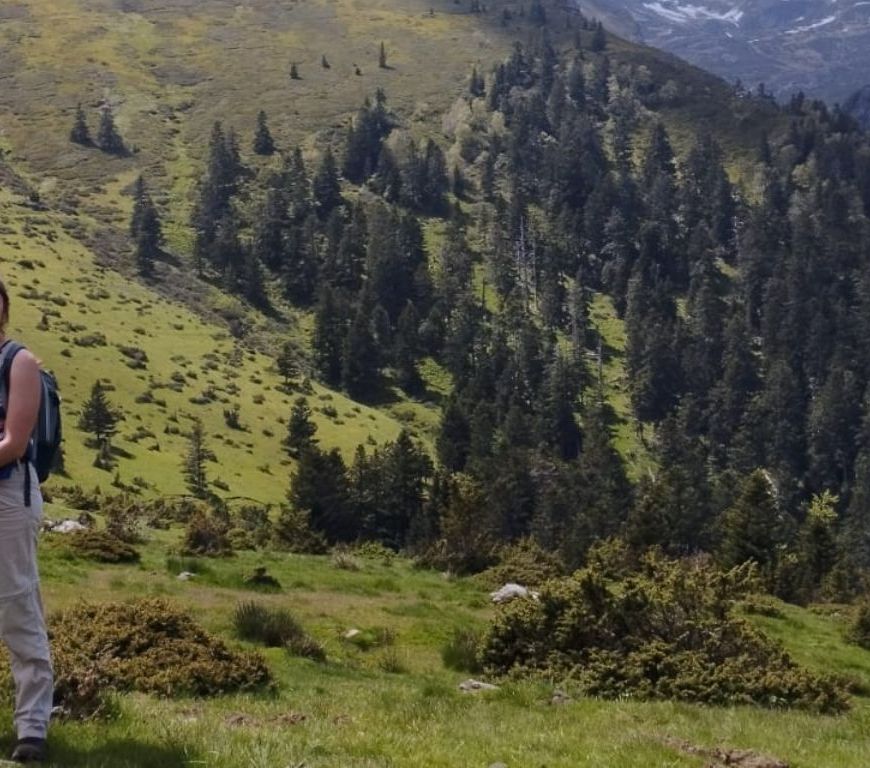
This month, The Applied Ecologist is amplifying the voice of early career ecologists from around the world working in the field of applied ecology to help inspire the next generation. In this post, Claudia Christensen García from the Basque Centre for Climate Change shares her story below. My background and interests I love to go birdwatching, both at home and when traveling. Something great about … Continue reading ECR Journeys: Pacific Northwest to the Basque Country

ECR Journeys: Rainforest invertebrates, woody vines and ecosystem functions

This month, The Applied Ecologist is amplifying the voice of early career ecologists from around the world working in the field of applied ecology to help inspire the next generation. In this post, Charlotte Raven, a second-year PhD student at the University of the Sunshine Coast, Australia, shares her story. My background I have had a passion for insects my entire life; I think it … Continue reading ECR Journeys: Rainforest invertebrates, woody vines and ecosystem functions

Adaptive staged-scale restoration practices for upland prairies

Shortlisted for the Chico Mendes Prize 2023 Claudia Muzychko shares her latest Practice Insights which documents current on-site activity on Violet Prairie, USA, and provides a management planning reference for prairie restoration. A version of this post is available in Italian. Sometimes in land management we can focus so intently on direct problems complicating our practices that we may not have the space or time … Continue reading Adaptive staged-scale restoration practices for upland prairies

Pratiche di restauro adattativo su scala progressiva per le praterie in altopiano

Claudia Muzychko condivide il suo ultimo studio sulle pratiche in cui viene documentata l’attuale attività in loco nella Violet Prairie, negli Stati Uniti, e fornisce un riferimento per la pianificazione gestionale del restauro delle praterie. Una versione di questo post è disponibile in inglese. A volte, nella gestione del territorio, possiamo concentrarci così tanto sui problemi diretti che complicano le nostre pratiche che non abbiamo … Continue reading Pratiche di restauro adattativo su scala progressiva per le praterie in altopiano

More and better hedgerows

Jo Staley, Lisa Norton (UK Centre for Ecology & Hydrology) and Rob Wolton (Devon Hedge Group and Hedgelink) present their latest Perspective article calling for and providing recommendations for improving and expanding hedgerows as a valuable habitat and carbon store. Hedgerows, and having more of them, are high on the policy agenda with a target for a 10% national increase by 2050 in the recent … Continue reading More and better hedgerows

For the sake of diversity: An alternative approach to tree planting that prioritizes conservation goals

Lead author Olivia St-Laurent explains why she and her co-authors of the new article ‘Safeguarding eucalypt diversity through conservation-focused tree planting’ advocate for a novel approach to environmental tree planting, benefitting people and nature by prioritizing biodiversity conservation. Everywhere, governments are making commitments to stop or slow the loss of local biological diversity and to restore degraded ecosystems. In megadiverse Australia, endemic species represent 85% … Continue reading For the sake of diversity: An alternative approach to tree planting that prioritizes conservation goals

Meet our new Blog Associate Editor: Catherine Waite

We are delighted to announce two new Blog Associate Editors who have joined The Applied Ecologist team! Valentine introduced herself earlier this month so in this post, find out more our other new recruit – Catherine Waite. Hi everyone, I’m Catherine, one of the new Associate Editors for The Applied Ecologist. It’s great to be writing this first post to introduce myself! I am originally … Continue reading Meet our new Blog Associate Editor: Catherine Waite

Home is where the heat is: Thermoregulation of European bats inhabiting artificial roosts and the threat of heat waves

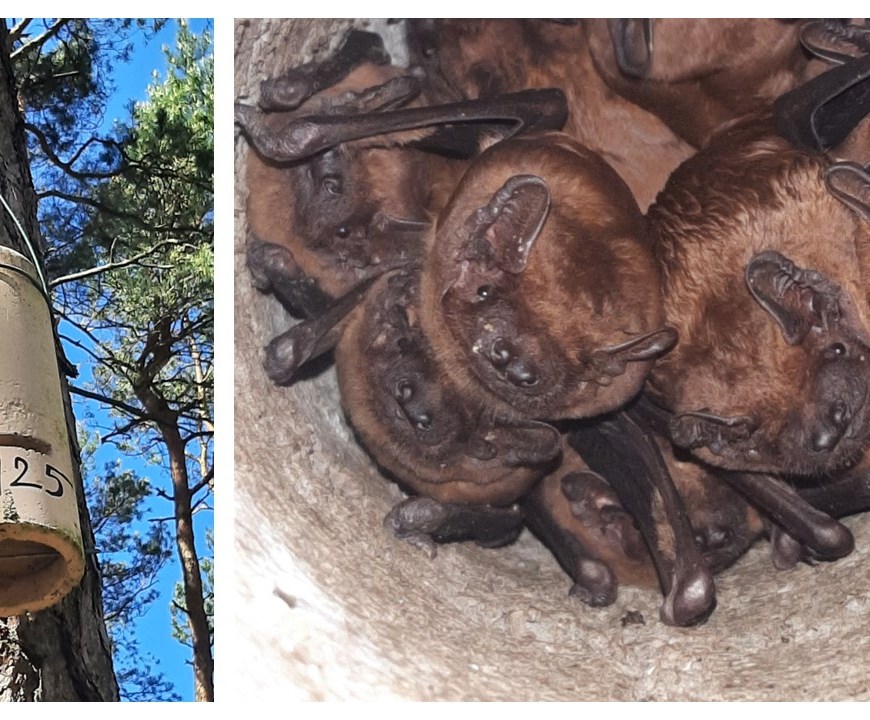
In their new study, Czenze and colleagues demonstrate the importance of placing bat boxes in diverse locations to provide varied roost microclimates. There are over 1400 species of bats on the planet that live in a wide variety of roosts, including caves, buildings, and trees. Many bat species are threatened by climate change and habitat destruction, and this is particularly true for forest bats. Due … Continue reading Home is where the heat is: Thermoregulation of European bats inhabiting artificial roosts and the threat of heat waves

Editor’s Choice 59:6: Tree species mixing amplify forest microclimate offsets in European forests

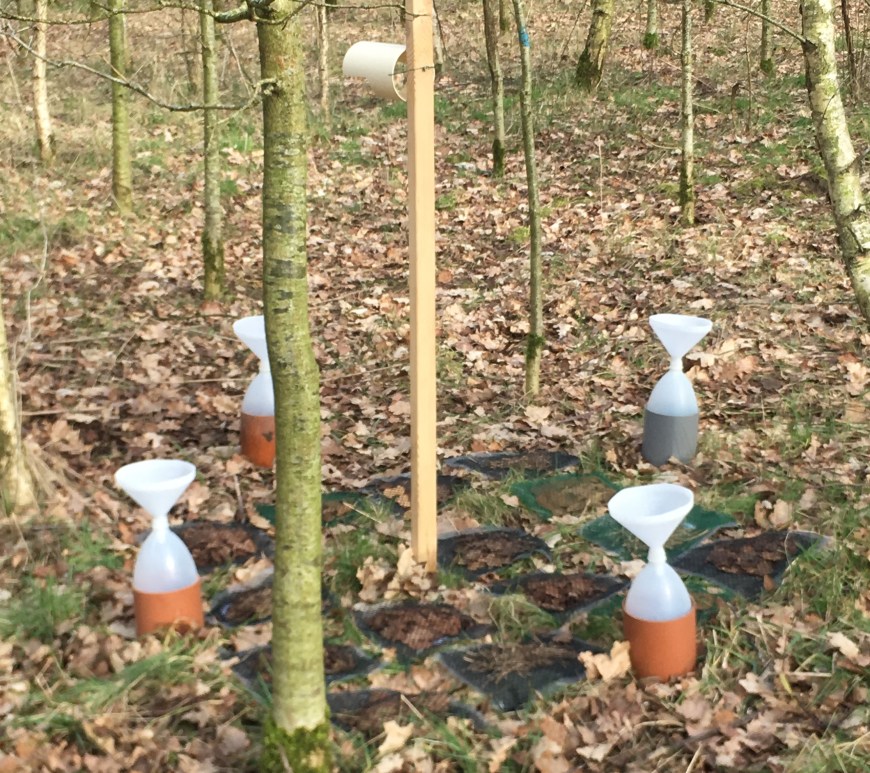
Associate Editor, Sharif Mukul, introduces this month’s Editor’s Choice article by Zhang and colleagues, which shows that microclimate offsetting depends on tree species identity and diversity, and that buffered forest microclimates can be achieved rapidly in young plantations, depending on the species being planted.  Tree canopies can significantly buffer temperature fluctuations and enhance water availability, which has the potential to mitigate the effects of macroclimate … Continue reading Editor’s Choice 59:6: Tree species mixing amplify forest microclimate offsets in European forests

Linking research and action: protecting seabirds in the face of climate change

In their latest research, Henry Hakkinen and colleagues explore how existing knowledge can be brought together in a pressure-state-response framework that connects climate change ecology, conservation evidence assessments and management. The impacts of human activities on ecosystems and natural resources across the world are well known, and now extend to nearly every ecosystem on Earth. Given the scale and severity of human-driven impacts on the … Continue reading Linking research and action: protecting seabirds in the face of climate change