LGBTQ+ inclusion in science and society: Resilience in uncertain times and the importance of community

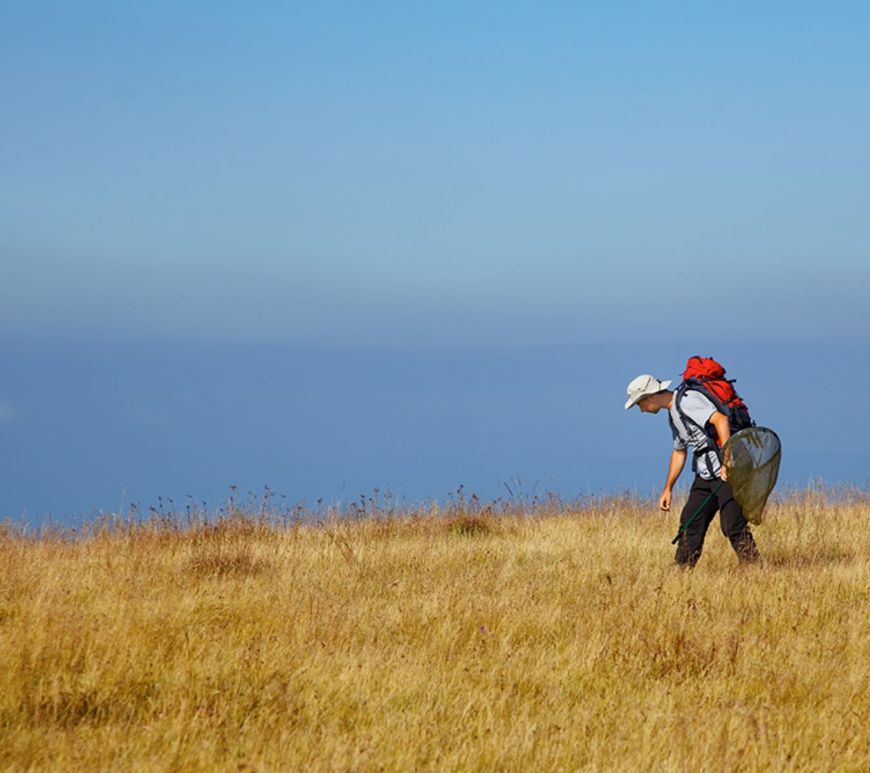
To celebrate Pride Month 2025, we are excited to share a series of blogs and podcasts highlighting useful articles and resources for LGBTQIA+ ecologists and researchers. In each post, the authors behind these resources explain what they are, how they came to produce them, and why they are important. The authors Nathan Alexander (he/him)  ResearchGate: https://www.researchgate.net/profile/Nathan-Alexander   Bluesky: smammalbio@bsky.social  Jaime Coon (they/them, she/her)  ResearchGate: https://www.researchgate.net/profile/Jaime-Coon   Instagram: … Continue reading LGBTQ+ inclusion in science and society: Resilience in uncertain times and the importance of community
Elephant expressways: Examining multi-scalar elephant connectivity in KAZA

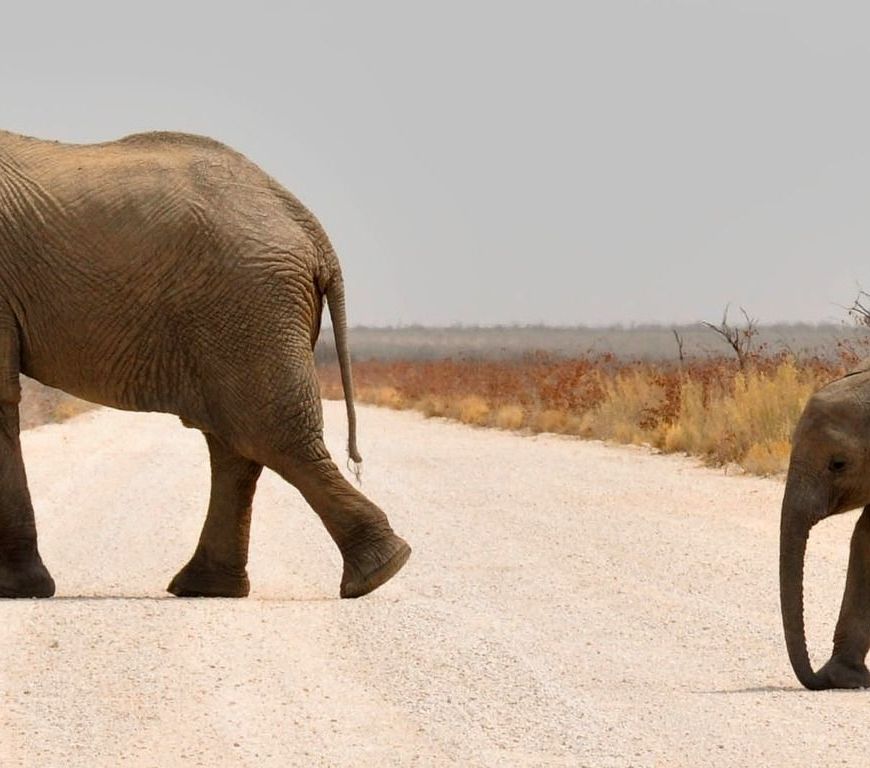
Callie Cho and Robin Naidoo talk us through how, using observed animal movements rather than conventional resistance surface models, a connectivity conservation blueprint for African elephants in the Kavango-Zambezi transfrontier conservation area (KAZA) in southern Africa was produced. This is explored further in the new research article. A key aspect of effective conservation management is understanding landscape connectivity—how easily animals can move between vital resource … Continue reading Elephant expressways: Examining multi-scalar elephant connectivity in KAZA

Working together to tackle Invasive Alien Species in Argentina

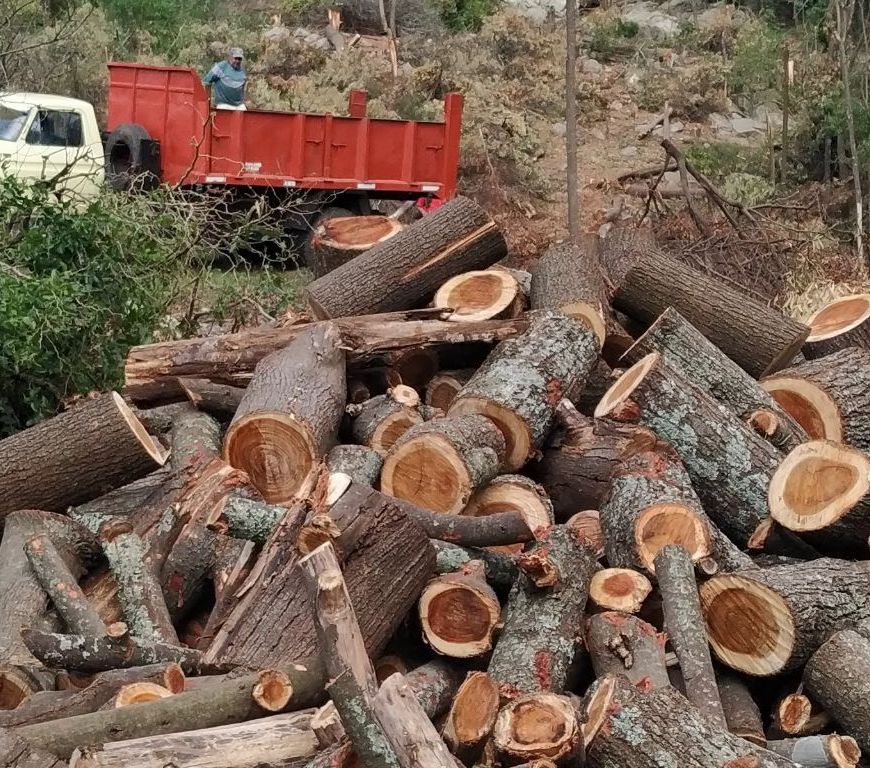
A version of this post is available in Spanish here. Author Priscila Ana Powell shares insights from analysing case studies that use co-management to manage woody invasive alien species in Argentina. “Improving the long-term management of woody invasive alien plants (IAS) in Argentina requires the promotion of shared spaces and communication channels for co-designing and co-implementing IAS management interventions that can better align the objectives of … Continue reading Working together to tackle Invasive Alien Species in Argentina

Trabajando juntos para abordar la problemática delas especies exóticas invasoras en Argentina

Este post también está disponible en inglés aquí. La autora, Priscila Ana Powell, comparte las ideas principales del análisis de estudios de caso sobre experiencias de cogestión para el manejo de especies exóticas invasoras leñosas en Argentina. “Mejorar la cogestión a largo plazo de las plantas leñosas exóticas invasoras (EEI) en Argentina requiere la creación y promoción de espacios compartidos y canales de comunicación para … Continue reading Trabajando juntos para abordar la problemática delas especies exóticas invasoras en Argentina

Applied autoethnography: A method for reporting best practice in ecological and environmental research

Kilian Murphy and colleagues propose applied autoethnography, a form of structured reflection whereby researchers use personal experience to contribute to understanding collaborative processes, as a repeatable protocol to describe inter-organisational interactions during the research process in ecology and environmental research. The publication of a scientific manuscript is the culmination of the long process of research, whereby the scientist shares the results of their study in … Continue reading Applied autoethnography: A method for reporting best practice in ecological and environmental research

How can we address mismatches in conservation research and practice?

Natalie Dubois and Rebecca Jarvis reflect on the findings of a new collaborative article examining where the conservation community has made progress aligning research and practice. For too long, conservation research was viewed as a one-directional path from researchers to practitioners. The field has since moved towards a better understanding of the interdependent nature of knowledge generation and use, but mismatches in the spaces between … Continue reading How can we address mismatches in conservation research and practice?

How should we train the next generation of applied ecologists?

Senior Editor, Nathalie Pettorelli, shares her thoughts on higher education and how we can better support future generations of applied ecologists. If you’d like to share your opinion on this matter or have an idea for a follow-up post, leave a comment below or email us. Our world, whether we look at climate, nature, culture or technology, is changing fast. Some of these changes are … Continue reading How should we train the next generation of applied ecologists?