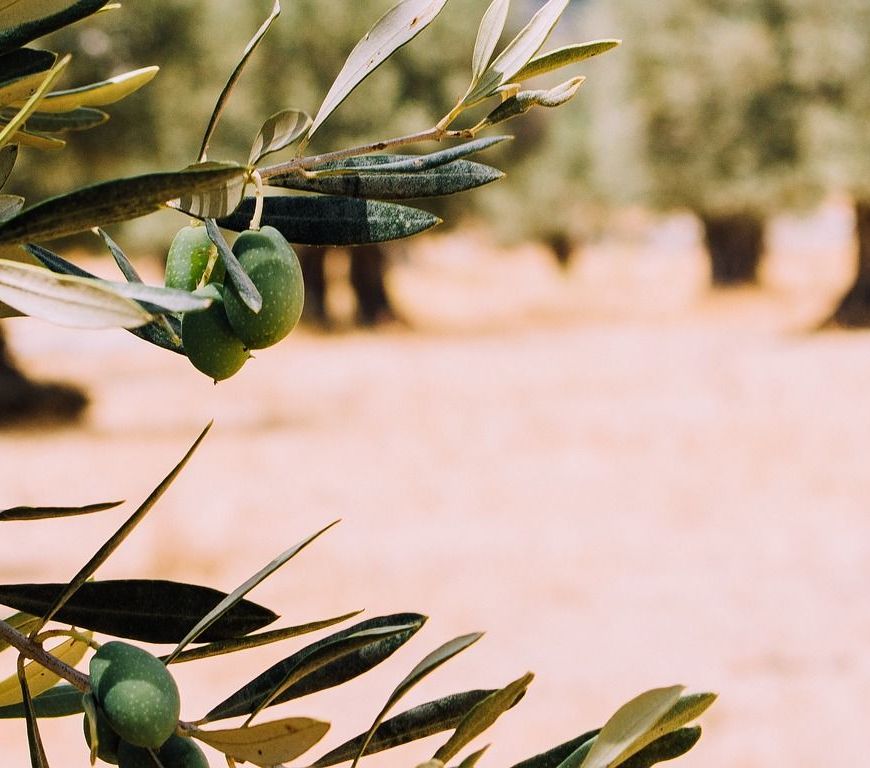
Temporal mismatches in flight activity patterns between Pipistrellus kuhlii and Prays oleae in olive farms: Implications for biocontrol services potential

In this blog post José M. Herrera discusses their latest research, conducted alongside co-authors, which looks at the temporal relationship between the nightly activity patterns of the common pipistrelle bat (Pipistrellus kuhlii) and the olive fruit moth (Prays oleae). To enhance biocontrol services, they propose increasing the availability of suitable roosting and foraging sites as well as conserving areas of remnant native woodland and scattered … Continue reading Temporal mismatches in flight activity patterns between Pipistrellus kuhlii and Prays oleae in olive farms: Implications for biocontrol services potential
Rumslig och tidsmässig isolering av rapsfält minskar förekomsten av skadeinsekter och skador på grödan

Det här blogginlägget finns även på engelska här.
Fabian Boetzl berättar för oss om sin och sina kollegors forskning om landskapsbaserade strategier för att minska trycket från skadeinsekter och skador på grödor. Continue reading Rumslig och tidsmässig isolering av rapsfält minskar förekomsten av skadeinsekter och skador på grödan

Spatiotemporal isolation of oilseed rape fields reduces insect pest pressure and crop damage

This blog post is also available in Swedish here. Fabian Boetzl talks us through his and his colleagues’ new research on landscape-based strategies to reduce insect pest pressure and crop damage. The problem Systemic neonicotinoid insecticides are detrimental to a wide range of beneficial biodiversity, with wild bees as the most prominent example. Due to these observed negative side-effects, systemic neonicotinoid insecticides have been banned … Continue reading Spatiotemporal isolation of oilseed rape fields reduces insect pest pressure and crop damage

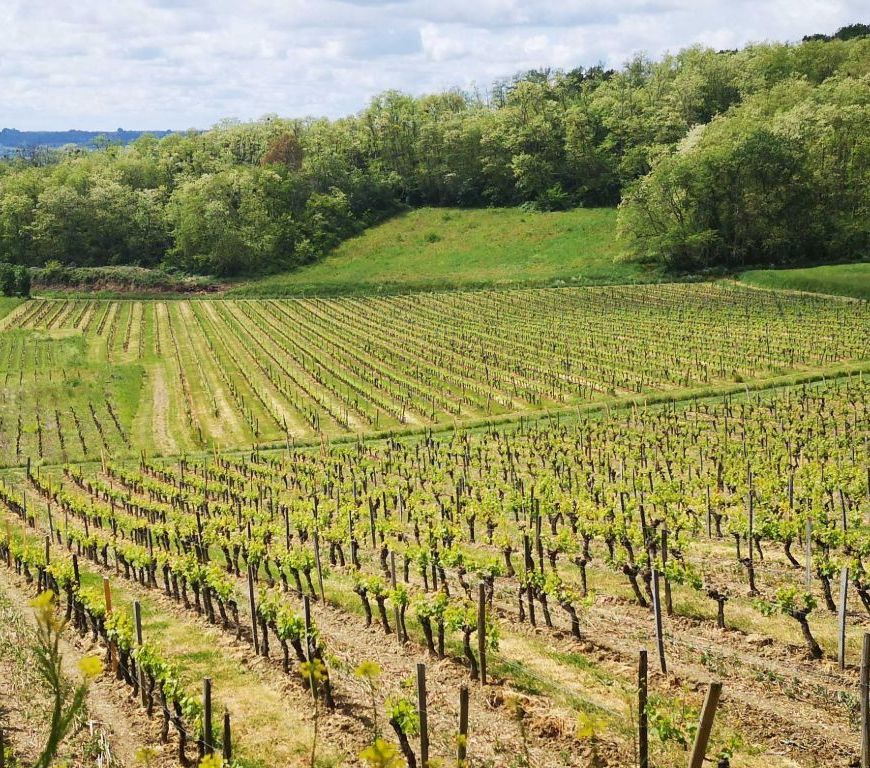
Diversifying plant communities in vineyards to increase natural pest control services

Léa Beaumelle and Adrien Rusch introduce their team’s latest research exploring different landscape contexts to identify ways to best foster natural pest control on agricultural lands. Insects and arthropods play key roles in agricultural systems. Arthropods comprise pests, such as aphids or caterpillars, but also beneficial organisms: predators such as spiders and ground beetles (natural enemies) prey upon insect pests and limit pest populations. As … Continue reading Diversifying plant communities in vineyards to increase natural pest control services

Editor’s Choice 54:5 – Quantifying the collateral damage of neonicotinoid insecticides on bees

Issue 54:5’s Editor’s Choice is written by Sarah Diamond. The article chosen is Planting of neonicotinoid-treated maize poses risks for honey bees and other non-target organisms over a wide area without consistent crop yield benefit by C. Krupke et al. As humans modify natural environments, we are witnessing the steady accumulation of unintended, cascading effects across biological communities. Biocontrol agents have escaped their intended targets … Continue reading Editor’s Choice 54:5 – Quantifying the collateral damage of neonicotinoid insecticides on bees

The map matters: crop-dominated landscapes have higher vector-borne plant virus prevalence

In this post Suzi Claflin discusses her paper ‘Crop-dominated landscapes have higher vector-borne plant virus prevalence‘ It’s been clear for some time that landscape composition—that is, land-use types and the connections between them—strongly affects the community of creatures living in a given area. When it comes to insects, the landscape has been shown to shape the communities of both the ones we like, such as … Continue reading The map matters: crop-dominated landscapes have higher vector-borne plant virus prevalence

Climate change and food security

In this post, Adam Frew discusses his paper ‘Increased root herbivory under elevated atmospheric carbon dioxide concentrations is reversed by silicon-based plant defences‘ As the global climate changes the global population continues to rise, we are faced with the daunting challenge of achieving sustainable crop production to meet the increasing demand for food. Professor John Beddington in 2009, UK chief scientist at the time, highlighted … Continue reading Climate change and food security

Fatal attraction of Spotted Wing Drosophila to a yeast symbiont, for sustainable control

In this blog post Joelle Lemmen, Alix Whitener, Boyd Mori and Peter Witzgall discuss the recent paper by Boyd Mori and colleagues ‘Enhanced yeast feeding following mating facilitates control of the invasive fruit pest Drosophila suzukii‘ Spotted Wing Drosophila (SWD) is currently the most economically important insect in Europe and North America. SWD damages a wide range of our favourite berries and soft fruit, including … Continue reading Fatal attraction of Spotted Wing Drosophila to a yeast symbiont, for sustainable control

Avian pest control in vineyards

In this post Michelle Harrison and Cristina Banks-Leite discuss a recent paper by Luc Barbaro and colleagues ‘Avian pest control in vineyards is driven by interactions between bird functional diversity and landscape heterogeneity‘. The global wine industry currently contributes roughly US$303 billion to the world’s economy (Plant and Food Research, 2013). Wine is a key export for many European countries such as Italy, France and … Continue reading Avian pest control in vineyards

Silent Spring redux? Insecticides cascade up a food chain to poison carnivores

In this post, Ian Kaplan discusses a paper he recently handled by Margaret Douglas, Jason Rohr and John Tooker “Neonicotinoid insecticide travels through a soil food chain, disrupting biological control of non-target pests and decreasing soybean yield.“. The authors have also written a practitioner summary  and a press release “Insecticides foster ‘toxic’ slugs, reduce crop yields” for this paper. Despite being published >50 years ago, almost everyone … Continue reading Silent Spring redux? Insecticides cascade up a food chain to poison carnivores